


Calm dog resting inside crate at Boise home during crate training

Crate training in Boise is a game-changer for dog owners who want to build trust, reduce anxiety, and prevent unwanted behaviors. With the right approach, your dog’s crate becomes a calm, comforting space — not a punishment. Whether you have a puppy, rescue, or adult dog, this guide will help you get started the right way.


Why Crate Training in Boise Works So Well

Crate training in Boise gives your dog structure and security — especially important during transitions, training, or housebreaking. It helps with:

  • Teaching potty habits and independence
  • Creating a safe space for your dog to relax
  • Preventing destructive behavior when you’re not home

In addition, crate training encourages routine and provides your dog with a place to self-soothe when feeling anxious.

Dogs naturally seek cozy, den-like spaces. Therefore, when introduced properly, a crate becomes your dog’s go-to retreat.

How to Make the Crate a Positive Space

Step 1: Set Up the Crate for Success

Your dog’s environment matters. To make the crate inviting:

  • Add a soft, washable blanket or bed
  • Place the crate in a quiet area of your home
  • Keep the door open during the first few days

However, you should avoid isolating the crate in loud or busy rooms — calm areas help build comfort more quickly.

Step 2: Associate the Crate with Positive Experiences

Your dog should associate the crate with rewards and fun. For example:

  • Feed meals inside the crate
  • Offer puzzle toys or frozen treats
  • Praise calm behavior with gentle voice and rewards

Begin with short sessions and gradually increase the time. As a result, your dog will soon feel relaxed in their new space.

Looking for expert tips? The AKC’s crate training guide breaks down every step.

Common Crate Training Mistakes to Avoid

Even with the best intentions, dog owners may hit a few bumps. For instance:

  • Crying or barking when the door closes
  • Reluctance to enter the crate
  • Accidents inside the crate

These signs suggest it’s time to slow down the process. Instead of forcing your dog, add higher-value rewards or reduce the session length.

Meanwhile, if the issues continue, professional guidance may be necessary. Our Board & Train program can accelerate progress with hands-on support.

Is Crate Training Right for All Dogs?

Yes — crate training in Boise works for every type of dog:

  • Puppies learning house manners
  • Adult dogs needing structure
  • Rescues adjusting to new homes

As long as you’re consistent, any dog can succeed. Additionally, we tailor our Board & Train program to your dog’s age, behavior, and needs.


When to Contact a Boise Dog Trainer

Sometimes, crate training brings unexpected challenges. In that case, a customized training plan may be best.

Our Boise dog trainers know how to adjust crate routines for different temperaments. Therefore, if you feel stuck, professional help can make all the difference.

Contact Us today to learn how we can support your dog’s progress — crate training and beyond.


Ready to see real results? Board & Train and get your dog on the path to success.


FAQ

Q: How long does crate training in Boise typically take?
Most dogs adapt in 1–4 weeks with consistent, calm reinforcement. However, puppies may need a bit more time.

Q: Is it safe to crate train older dogs?
Yes! With patience and the right approach, older dogs can learn to love their crate just like puppies.

Q: Should I crate my dog while I’m at home?
Yes. In fact, this normalizes the crate and helps your dog see it as a regular, safe space — not just for when you’re away.

Q: What should I do if my dog whines in the crate?
Avoid opening the crate immediately. Instead, wait for quiet and then reward the calm behavior.

Q: Can crate training help with separation anxiety?
Absolutely. As a result of proper crate training, your dog can feel more secure and relaxed when left alone.
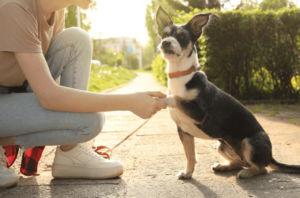
Small dog giving paw to trainer on a quiet Boise sidewalk during fearful dog training session

Many Boise dog owners struggle with reactivity — barking, lunging, or fearful behavior when their pup sees other dogs, people, or new environments. Fortunately, fearful dog training Boise offers a proven path to help your dog become calm, confident, and well-behaved. As a result, you’ll both enjoy walks and outings again.


Why Fearful Dogs React — And Why It’s Not “Bad Behavior”

Reactivity is often misunderstood. In fact, what looks like aggression is usually fear, insecurity, or overstimulation. Therefore, your dog isn’t being stubborn — they’re simply trying to cope with something that feels overwhelming.

For example, common triggers include:

  • Other dogs on walks
  • New people or environments
  • Loud noises or fast movements
  • Past trauma or lack of socialization

Instead of punishing these reactions, the goal is to gently change how your dog feels in those situations. That’s why working with a professional trainer is so important.


Fearful Dog Training Boise: Positive, Proven Techniques That Work

At All Dogs Unleashed Boise, we use science-based, force-free methods to help dogs overcome anxiety and learn better responses. As a result, our approach builds lasting confidence and trust.

Our process includes:

  • Desensitization & Counter-conditioning: We gradually introduce triggers in a way your dog can handle — and pair them with positive experiences like treats and praise. Consequently, your dog begins to associate those triggers with good things.
  • Confidence-Building Exercises: We use simple tasks and games that teach your dog to focus and succeed, even in distracting situations. In turn, this reduces fear-based responses.
  • Calm Behavior Training: Rather than barking or lunging, your dog learns alternative behaviors like sitting, making eye contact, or calmly checking in. Eventually, these responses become second nature.
  • Controlled Exposure: We practice in safe, structured environments before tackling real-world scenarios. This way, your dog is set up for success.

If you’re looking for immersive help, our Board & Train program provides expert-led, daily reinforcement that helps dogs make faster progress. Above all, it’s designed to build lasting change.


Real Results from Boise Reactive Dog Training

We’ve helped countless families in Boise turn stressful walks and fearful outings into relaxed, happy experiences. As a result, their dogs can calmly enjoy parks, neighborhoods, and even busy sidewalks.

Whether your dog is reactive to other dogs, strangers, or noises, we meet them where they are. Then, we guide them step-by-step toward confident, calm behavior.

In addition, no two dogs are the same. That’s why we customize every training plan based on your dog’s personality and needs. By using real-world scenarios and positive reinforcement, we ensure results that last.


Getting Started with Fearful Dog Training Boise

If your dog struggles with reactivity, now’s the time to take action. After all, the earlier you start, the sooner your dog can feel confident and safe in the world around them.

If you’re struggling with a reactive or anxious dog, fearful dog training Boise gives you the expert support needed to change behavior for good. With our help, your dog will learn to feel safe and stay calm even in triggering situations.

For additional guidance, the AKC offers a helpful article about working with fearful dogs.

Ready to take the next step? Contact Us for a free consultation, and let’s create a training plan that brings peace back to your walks.


FAQs About Reactive Dog Training

Q: Can my reactive dog ever be “normal” around other dogs?
A: Absolutely. With the right training and time, most reactive dogs learn to feel calm and safe around triggers.

Q: Is punishment a good way to stop reactivity?
A: No. Punishment can increase fear and damage trust. We use positive methods that build confidence and lasting change.

Q: How long does training take?
A: It varies. Some dogs improve in weeks; others need several months. A Board & Train option can speed up results with daily expert coaching.

Q: Is reactivity common in Boise?
A: Yes! Boise’s active, dog-loving community means more exposure to triggers. That’s why local training support is so important.

Professional dog trainer working with dog at Boise park during consistent dog training session

Consistent dog training in Boise is the foundation of every well-behaved dog. At All Dogs Unleashed Boise, we help local dog owners create structure and clarity through proven training methods. When dogs receive the same commands, expectations, and routines every day, they thrive—at home, at the park, and in public spaces.


Why Consistent Dog Training in Boise Matters

Dogs don’t learn through guesswork—they learn through repetition. When commands and consequences are inconsistent, dogs get confused. However, when your approach is clear and predictable, your dog builds confidence and responds faster.

AKC experts confirm that consistency is a core principle of successful dog training. It reduces stress, improves communication, and makes training stick.

In addition to consistency, understanding the keys to successful dog training—such as timing, motivation, and patience—can dramatically improve your results.

How Consistent Training Builds Better Behavior

  • Faster learning – Repeating commands improves retention over time

  • Stronger habits – As routines stay the same, good behavior becomes second nature

  • Better communication – Your dog knows what you want every time

  • Confidence – Therefore, dogs feel safer when the rules are consistent


5 Practical Ways to Maintain Consistent Dog Training in Boise

Training doesn’t stop when the session ends—it continues in everyday life. That’s why reinforcing consistency at home is so important.

1. Stick to One Command for Each Behavior

For example, always use “down” instead of switching between “lay down” or “get down.” This eliminates confusion.

2. Set Clear, Consistent House Rules

First, decide on house rules—like couch privileges or leash behavior. Then, make sure everyone enforces those rules in the same way.

3. Practice Daily Dog Training in Short Sessions

You don’t need to spend hours. In fact, short sessions (5–10 minutes) each day are far more effective than one long session per week.

4. Reward Good Behavior Immediately

As soon as your dog performs the desired behavior, offer praise, treats, or a favorite toy. This helps reinforce the action.

5. Stay Calm and Consistent with Energy

Although it can be tough, staying calm and composed helps your dog stay focused and responsive.


Professional Help for Consistent Dog Training in Boise

Even with your best efforts, maintaining structure can be challenging. That’s why our Board & Train program provides expert guidance and daily routines that accelerate your dog’s learning.

If you’re unsure where to start, Contact Us today to explore your options. We’ll help you choose the best path forward.


Real Results Start with Consistent Dog Obedience Training in Boise

If you’re ready to stop guessing and start seeing real progress, it all starts with consistent dog training in Boise. At All Dogs Unleashed, we combine expert methods with local experience to help your dog build lifelong skills through predictable, repeatable routines.

Ready to see real results? Board & Train and get your dog on the path to success.


FAQs

Q: Why is consistency important in dog training?
A: It helps dogs understand expectations, learn faster, and feel more secure in every environment.

Q: How can I be more consistent with my dog?
A: Use the same commands, enforce the same rules daily, and keep your training sessions short but frequent.

Q: Does professional training help with consistency?
A: Yes—structured programs like Board & Train provide reliable routines that lead to lasting behavior change.

Q: Can older dogs benefit from consistent training?
A: Absolutely. Dogs of any age learn better when expectations stay the same.

Q: How long until I see results from consistent training?
A: With daily practice, many dogs start improving within days. Long-term habits form with ongoing consistency.

Trainer working with happy Labrador during dog behavior training in Boise park

If you’ve just welcomed a new pup into your home, then investing in dog behavior training in Boise can be one of the smartest decisions you’ll make. Boise dog training isn’t just about teaching sits and stays—it’s also about creating a strong relationship, clear communication, and a safe environment for both you and your dog.

Why Early Training Sets the Tone

When you bring a dog home, you might focus on bowls, collars, and leashes. However, Boise dog training delivers long‑term value that impacts everyday life.

  • Faster results: A Boise dog training professional studies your dog’s personality and builds a custom plan for your home. As a result, you’ll see improvements more quickly.

  • Clear communication: Boise dog training helps you establish leadership, set expectations, and teach your household to use the same commands. Therefore, your dog won’t get mixed signals.

  • Stronger bond: A well‑trained dog feels more relaxed and secure with Boise dog training routines. In turn, you’ll enjoy calmer, more predictable days together.

  • Enhanced safety: Commands like “come,” “stay,” and “leave it” do more than teach manners—they protect your dog around busy roads or unexpected hazards, especially when learned through Boise dog training.

  • Correcting problem behavior: Jumping, leash‑pulling, chewing, digging, and excessive barking can all disrupt your home. Fortunately, Boise dog training corrects these issues before they turn into habits.

What to Expect from Boise Dog Training Sessions

When you begin Boise dog training, your trainer will:

Personalized Dog Training in Boise for Faster Results

  • Assess your dog’s age, background, and behavior style to guide the Boise dog training approach.

  • Tailor lessons to your dog’s strengths and weaknesses so they learn at their own pace with Boise dog training methods.

  • Teach you how to use consistent language and commands around the house. As a result, your Boise dog training experience becomes more effective.

  • Offer different training formats depending on your needs. For example, in‑home Boise dog training suits light issues, while intensive programs handle more serious challenges.

Still unsure where to start? This AKC training guide shares 12 useful dog training tips to help new owners get started confidently before beginning Boise dog training.

How to Start Dog Training in Boise the Right Way

To begin Boise dog training, choose a trainer who has a proven track record and uses positive, structured methods.
Even better, start early—introduce Boise dog training quickly after your dog joins the family to establish rules before bad habits take hold.
In addition, consistency matters: every family member should use the same cues, rewards, and expectations during Boise dog training.
Finally, keep sessions short and positive—most dogs learn faster when Boise dog training lessons are fun and clear.

Why Choose All Dogs Unleashed for Dog Behavior Training in Boise

At All Dogs Unleashed Boise, we deliver local expertise tailored to the Boise dog training community. Unlike generic programs, we design behavior plans that fit your routine, home, and your dog’s personality using proven Boise dog training techniques. As a result, you’ll see the benefits in daily walks, playtime, and overall behavior.

Our expert trainers lead every Boise dog training session with clarity and purpose. We specialize in dog behavior training in Boise and create custom plans that work in real homes with real families. In other words, we make Boise dog training practical, effective, and easy to maintain.

Have questions? Contact Us to find the right Boise dog training program for your dog’s needs.

Ready to see real results? Board & Train and get your dog on the path to success with professional Boise dog training.


FAQ

Q: How soon should I start behavior training after bringing home a new dog?
A: Ideally within the first few weeks—early training sets the tone and prevents poor habits.

Q: My dog is a rescue with some anxiety—is behavior training still appropriate?
A: Yes. A structured training plan tailored to your dog’s history and needs can greatly improve behavior and confidence.

Q: Do I need to attend every session with the trainer?
A: Your involvement is key. You’ll be taught how to reinforce behaviours at home so the results stick.

Q: How long does behavior training usually take?
A: It varies based on your dog’s age, temperament and behavioral issues—but many dogs show noticeable improvements in weeks with consistent effort.

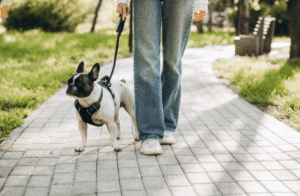
Young puppy walking on leash with trainer at Boise park during foundation training

Your puppy’s early training sets the tone for every stage of life, and that’s true for Boise puppy training foundation too. If you’re welcoming a new pup in the Boise area, now’s the time to start strong—with routines, consistency, and real skill building. Learn more about us and our local training programs.

Why a Boise Puppy Training Foundation Matters

When your puppy is first exploring the world, they’re full of curiosity… and chaos sometimes. However, instead of waiting for problems to pop up, starting early means you can shape behaviors, build trust, and set the stage for success.
For example: a pup who learns calm behavior around people and dogs is far less likely to develop anxiety later.

Core Puppy Training Skills to Build a Strong Foundation

Here are the essentials that form the pillar of your puppy’s good behavior and link directly into your Boise puppy training foundation:

  • Crate training — gives your pup a safe space and helps with housebreaking.
  • Housebreaking — consistency here prevents ongoing messes and frustration.
  • Calm around people and dogs — so your dog is comfortable in our local parks, meet‑ups, and events.
  • Confidence in new environments — Boise offers many adventures… your pup should be ready.
  • Reliable recall (coming when called) — essential for safety and freedom.
  • Walking on leash without pulling — a basic courtesy in the city and nature alike.
  • Accepting grooming and handling — makes vet visits and social time easier.

Want expert tips on essential skills? Teach your puppy these 5 basic commands from the AKC.

How We Build a Puppy Training Foundation in Boise

Through our training approach we emphasize:

  • Clear communication and mutual understanding, not just obedience.
  • Consistency and meaningful rewards rather than fear or harsh methods.
  • Partnership with you, the owner, so you and your pup succeed together.
    This kind of foundation supports your dog’s long‑term well‑being and helps avoid fear‑based behaviors or anxious reactions later.

Trusted Puppy Trainers in Boise for Lasting Success

Whether this is your first puppy or your fifth, our team is ready. We believe every dog brings something special—and every family deserves a well‑behaved companion.
With the right training focus, your puppy will grow into a respectful, reliable adult dog ready for life in and around Boise.

Ready to see real results? Board & Train and get your dog on the path to success.

Have questions or want to start training? Contact Us today!


FAQ

Q1: At what age should I start the Boise puppy training foundation program?
A1: You can start as early as when your puppy is safely vaccinated and active, typically around 8–16 weeks. Starting early helps build good habits before unwanted ones take hold.

Q2: How often should I train with my puppy to build a strong foundation?
A2: Short, consistent sessions (5–10 minutes, several times a day) work best. Repetition and positive reinforcement are key in maintaining momentum and retention.

Q3: Can we do this training at home or do we need to come into a facility?
A3: A large part of the training happens at home or in your daily routines to reinforce real‑life behaviors. A facility or professional support helps accelerate progress and ensure consistency.

Q4: What makes the foundation different from advanced training later on?
A4: The foundation focuses on basic habits, confidence, and trust—things like walking nicely, recall, calm around other dogs, handling. Advanced training builds on that with more complex skills and distractions.