


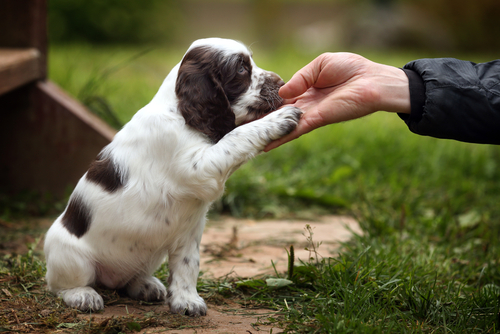
Puppy house training Boise with owner practicing outdoor potty routine

Boise puppy potty training is often the first real challenge new dog owners face. However, when you start with structure and clear expectations, the process becomes far more manageable. Puppy house training Boise dog owners rely on starts with consistent routines, supervision, and positive reinforcement. In fact, the habits you build early help your puppy develop confidence, consistency, and long-term success.

Whether you live in Boise, Meridian, or Eagle, these step-by-step strategies will help your puppy learn faster and with fewer setbacks.


Why Puppy House Training in Boise Is So Important

Potty training is not just about avoiding messes. Instead, it establishes communication and trust between you and your puppy.

When done correctly, potty training helps to:

  • Reduce indoor accidents over time

  • Build trust and confidence early

  • Establish predictable daily routines

  • Prevent long-term behavior problems

According to the American Kennel Club, consistency and supervision are essential for success. For additional guidance, review this AKC puppy potty training guide.

Build a Consistent Puppy House Training Schedule in Boise

Above all else, consistency is the foundation of effective potty training. Because puppies have limited bladder control, they need frequent opportunities to go outside.

Take your puppy out:

  • First thing in the morning

  • Immediately after meals or water

  • Shortly after naps

  • After active playtime

  • Right before bedtime

In addition, younger puppies may need potty breaks every 1–2 hours. As a result, a predictable schedule significantly speeds up learning.

Choose One Designated Potty Spot

Equally important, you should select one outdoor potty location and use it every time.

This approach works because:

  • Familiar scents trigger repeat behavior

  • Clear patterns reduce confusion

  • Fewer distractions improve focus

Meanwhile, using a consistent verbal cue such as “go potty” further reinforces expectations.

Use Immediate Positive Reinforcement

Once your puppy goes potty outside, reward them immediately. In fact, timing is more important than the type of reward.

Effective rewards may include:

  • Small, high-value treats

  • Verbal praise in a happy tone

  • Brief playtime

However, rewards should never follow indoor accidents. Instead, reinforcement must always be tied to correct behavior.

Learn Your Puppy’s Potty Signals

Most puppies show clear warning signs before an accident occurs. Therefore, learning these cues helps you act quickly.

Common signals include:

  • Sniffing the floor

  • Circling in place

  • Whining or pacing

  • Suddenly disengaging from play

When you notice these signs, take your puppy outside immediately. Over time, you will naturally recognize patterns more easily.

Supervision and Crate Training Support Success

In addition to routine, supervision plays a major role in preventing accidents. When you cannot watch your puppy closely, confinement helps maintain progress.

Crates are effective because:

  • Puppies avoid soiling their sleeping area

  • Bladder control improves gradually

  • Daily structure becomes more predictable

For busy households, structured programs like Board & Train often provide faster and more reliable results.

How to Handle Accidents the Right Way

Even with a solid plan, accidents will happen. However, your response can either support or slow progress.

If an accident occurs:

  • First, remain calm

  • Next, clean thoroughly with an enzymatic cleaner

  • Finally, avoid punishment or scolding

Punishment creates fear and confusion. Instead, tightening supervision and adjusting schedules leads to better outcomes.

Common Puppy Potty Training Mistakes to Avoid

Unfortunately, many Boise puppy owners unknowingly delay success by making a few common mistakes.

These include:

  • Inconsistent potty schedules

  • Waiting too long between breaks

  • Delaying rewards

  • Allowing too much freedom too soon

By avoiding these issues, potty training becomes faster and far less frustrating.

When Professional Training Makes Sense

Sometimes, despite your best efforts, progress stalls. In those cases, professional support can make a noticeable difference.

Professional training helps by:

  • Reinforcing routines consistently

  • Eliminating confusion for your puppy

  • Providing accountability and structure

If you feel stuck, reach out through our Contact Us page to speak with a Boise dog training expert. With the right approach, puppy house training Boise families practice can become predictable, stress-free, and successful.


FAQs About Boise Puppy Potty Training

How long does puppy potty training take?
Generally, puppies improve within a few weeks. However, full reliability often takes several months with consistency.

Should I use puppy pads?
In some situations, puppy pads can help temporarily. However, outdoor potty training should remain the long-term goal.

Is crate training required for potty training?
While not required, crate training is one of the most effective tools for preventing accidents and building routine.

Why does my puppy regress after making progress?
Often, schedule changes, growth spurts, or increased freedom cause temporary setbacks.

Dog trainer working with Golden Retriever outdoors near Boise park setting

Why Boise Dog Training Programs Matter

If you’re a dog owner in Boise, enrolling your pup in Boise dog training programs can completely transform your relationship. Not only do these programs teach obedience, but they also reduce stress, improve safety, and eliminate problem behaviors. As a result, you’ll have a more confident, well-mannered dog at home and in public.

In addition, professional training builds a strong bond between you and your pet through trust and consistency. Whether you’re raising a puppy or managing an adult dog’s habits, structured training is one of the best investments you can make. You can also explore training programs recommended by the AKC to better understand your options and what’s available for your dog’s specific needs.


Key Benefits of Boise Dog Training Programs

Correct Problem Behaviors Through Structured Training

  • Many dogs, for example, jump on visitors, bark excessively, or misbehave indoors.

  • More serious problems, such as aggression toward other dogs or people, can also be addressed with the right program.

  • In addition, early intervention prevents problematic behavior from becoming permanent.

Improve Safety with Boise Obedience Training

  • A trained dog knows basic commands like “sit,” “stay,” or “come” — even off-leash. Therefore, there’s less risk of them dashing into traffic or chasing animals.

  • As a result, reliable obedience helps keep dogs safe in unpredictable situations.

Strengthen the Bond Through Dog Training in Boise

  • Working through training together, in turn, deepens trust and mutual understanding.

  • Dogs respond to clear, consistent guidance. Because of this, you’ll experience fewer surprises and more peace at home.

  • Additionally, training time becomes valuable quality time.

Enhance Socialization in Group Dog Training Programs

  • Classes help dogs learn how to behave around other dogs and people.

  • For example, dogs that show fear or aggression can build confidence under controlled conditions.

  • As a result, both you and your dog can enjoy more stress-free outings.

Provide Mental Stimulation with Boise Dog Training

  • Training challenges a dog’s mind — especially for high-energy or intelligent breeds.

  • In addition, a mentally stimulated dog is less likely to chew, bark, or dig from boredom.

  • When combined with walks and play, training helps ensure balanced behavior and a happier pet.


What to Look For in Boise Dog Training Programs

When choosing among Boise dog training programs, look for one that supports both you and your dog beyond the classroom. For example, a program that emphasizes communication, consistency, and positive reinforcement will give lasting results. Also, consider follow-ups or group classes to reinforce progress after Board & Train.

Ready to Take the Next Step?

Ready to see real results? Contact Us and get your dog on the path to success.


FAQ

Q: Is training only for puppies or can older dogs benefit too?
A: Dogs of any age can learn. However, it may take more time and consistency with older dogs.

Q: Will training fix severe behavior issues like aggression?
A: Yes — many dogs with behavioral problems respond positively to structured training and calm socialization.

Q: How long before I see results?
A: Some changes can appear in just a few weeks. However, ongoing practice is essential to keep results long-term.

Q: Do I need to continue training after a Board & Train program?
A: Yes. Even though your dog will learn a lot, maintaining the behavior at home is key.

Q: How do I know if my dog needs training?
A: If your dog struggles with commands or shows signs of anxiety, training is likely a great next step.

Happy dog interacting with other dogs during a socialization session in a Boise park

Welcoming a new dog or helping your older dog thrive in our Boise community means focusing on Boise dog socialization right from the start. As a result, you’ll build a foundation for a confident, friendly companion you’re proud to walk around town.

Why Boise Dog Socialization Matters for Every Dog

When you introduce your dog to a variety of experiences—parks, people, other dogs, even local trails—you help them learn:

  • That new sights and sounds are interesting and safe.

  • How to keep calm instead of reacting with fear or stress.

  • How to make good choices when meeting strangers or other dogs.

However, dogs with limited social exposure may:

  • Bark or jump at strangers.

  • Become reactive around animals or new settings.

  • Struggle to cope with novel environments (like Boise’s trails or city sidewalks).

Here’s a helpful guide on introducing dogs to each other.

The Owner’s Role in Socializing Dogs in Boise

As a dog owner, your role is crucial. After all, you are your dog’s anchor. Here’s how you can help:

  • Gradually expose your dog to new places, people, animals—in a positive way.

  • Reward calm, confident behavior with praise and treats.

  • Stay relaxed, so your dog can follow your lead.

  • Watch for signs of stress, and guide your dog back to safety when needed.

In addition, being consistent in these efforts helps your dog build lasting confidence. Over time, these habits shape calm and well-adjusted behavior.

How Professional Help Supports Your Dog’s Social Skills in Boise

Whether your dog is a playful puppy or an adult needing a confidence boost, a trainer can help dramatically. For example, structured sessions allow your dog to practice good behavior around distractions.

Our Board & Train program is a great option for building social skills in a consistent, supervised setting. As a result, many owners report calmer walks and better manners at home.

Additionally, working with a trainer empowers you with the skills to continue reinforcing positive behavior long after training ends.

Real-Life Tips for Boise Dog Socialization Success

Here in Boise, there are plenty of opportunities for effective Boise dog socialization—from local parks to dog‑friendly cafés. Consider the following:

  • Signing up for a group class where your dog sees and learns from others.

  • Organizing short, daily exposures—maybe a new neighborhood nook or local café patio.

  • Tracking progress: for instance, less barking, more calm greetings, more relaxed walks.

That said, always go at your dog’s pace. If they seem overwhelmed, pause and try again another day. Eventually, with enough positive experiences, even nervous dogs learn to trust the process.

Note: If you ever feel your dog’s behavior is more worried than curious, step back and reduce intensity—let them adjust at their own pace.

Final Thoughts

Consistent Boise dog socialization—with our city’s mix of urban and outdoor spaces—is one of the best investments you can make in your dog’s future happiness. Therefore, the sooner you start, the better.

A confident dog means fewer worries, more walks, and more joy for you both. In conclusion, socialization isn’t just about behavior—it’s about building trust, resilience, and connection.

If you have questions about your dog’s behavior or want personalized guidance, don’t hesitate to Contact Us.

Ready to see real results? Board & Train and get your dog on the path to success.


FAQs

What age should I start socializing my dog in Boise?
You can begin socializing your dog as early as 8–12 weeks, once they’ve received initial vaccinations. Early exposure builds confidence and prevents future behavior issues.

Can older dogs still be socialized successfully?
Absolutely. While early socialization is ideal, adult dogs can learn to feel comfortable around new people, dogs, and environments with consistent, positive experiences.

What are signs my dog needs more socialization?
If your dog barks excessively, shows fear or aggression around strangers, or resists new environments, they likely need more structured socialization.

How can I safely socialize my dog in Boise?
Start with calm areas like quiet neighborhoods or parks. Gradually introduce more stimulation, and use treats and praise to reinforce positive reactions. Avoid overwhelming your dog too quickly.

Is a Board & Train program helpful for socialization?
Yes, Board & Train programs offer safe, supervised interactions that help dogs build social skills with guidance from professional trainers.

Dog training with owner in Boise foothills during sunset

The benefits of dog training in Boise go far beyond teaching basic commands. With professional guidance, you’ll build better communication, reduce stress, and enjoy a stronger bond with your dog. Whether you’re raising a new puppy or correcting frustrating behaviors, structured training leads to lasting results.

1. Clear Communication: A Core Benefit of Dog Training in Boise

Every dog wants to please, but not every dog understands what you’re asking. Fortunately, professional training helps bridge that gap.

First, you’ll learn how to speak your dog’s language. Then, you’ll discover your dog’s individual learning style. As a result, you’ll use training tools that actually work in your everyday routine.

When your dog knows what’s expected, life gets easier—and calmer—for everyone.

2. Build Trust Through Obedience Training in Boise

Training strengthens your relationship. You’re not just giving commands—you’re building a connection based on trust.

In addition, structured time together helps your dog feel more secure. Through consistent work, your dog will begin to anticipate your direction with enthusiasm. Eventually, this mutual respect becomes part of every interaction.

Because of this, many pet owners say training made them feel more connected to their dog than ever before.

3. Stress-Free Living: Behavioral Benefits of Dog Training in Boise

Does your dog bark constantly, jump on guests, or act out when left alone? If so, you’re not alone. However, targeted training can resolve these everyday stressors.

For example, you’ll learn how to set clear boundaries your dog can follow. Additionally, your dog becomes more focused and calm even in busy environments. As a result, you’ll enjoy smoother walks, quieter evenings, and fewer frustrations at home.

These are some of the most noticeable benefits of dog training in Boise for busy families and pet parents.

4. Safety Benefits of Dog Obedience Training in Boise

Training keeps your dog safe—especially in active Boise neighborhoods, trails, and parks. A well-trained dog is less likely to dart into the road or lunge at distractions.

That’s why recall, leash control, and impulse management are key parts of every program. In addition, your trainer will help you reinforce these skills consistently over time. This way, you can walk, hike, or travel with confidence.

Want to dive deeper into safety training? Check out these AKC training programs designed to prevent accidents and build reliable obedience.

5. Eliminate Frustrating Behaviors

From excessive barking to chewing furniture, unwanted behavior can create daily stress. Fortunately, training replaces chaos with structure.

With help from a trainer, you’ll address the root causes of problem behaviors—not just the symptoms. Over time, your dog becomes more relaxed, focused, and well-behaved both at home and in public.

If you’re feeling overwhelmed, the benefits of dog training in Boise can turn frustration into peace of mind.

6. Get Help With Aggression or Anxiety

Serious behavior issues like aggression or anxiety need professional support. Whether your dog is fearful, reactive, or dealing with past trauma, there is a path forward.

To start, we evaluate what’s triggering the behavior. Then, we use proven techniques to rebuild your dog’s confidence and self-control. Finally, we coach you through handling difficult situations with calm, assertive leadership.

Many of our clients see powerful changes through Board & Train, especially when dealing with complex cases.


Why Choose All Dogs Unleashed Boise?

At All Dogs Unleashed, we tailor every training program to your dog’s needs, temperament, and lifestyle.

Most importantly, our Boise team understands the local environment—from crowded neighborhoods to off-leash trails. Unlike online courses or generic classes, we offer real-world results with support every step of the way.

Whether you need Puppy Training, advanced obedience, or serious behavior correction, we’re here to help.

Ready to see real results? Board & Train and get your dog on the path to success.


FAQs

What types of dogs benefit from training?
All dogs—puppies, rescues, senior dogs, and stubborn breeds—can benefit from structured training. The benefits of dog training in Boise apply to every breed and age.

How long before I see results?
Most owners notice improvements within the first few sessions. However, long-term results come from consistency and follow-through.

Should I choose private lessons or group classes?
Private training offers faster, more customized results. Group classes add socialization. For more intensive help, our Board & Train is ideal.

What types of behavior do you work with?
We help with jumping, barking, pulling, anxiety, aggression, and more. If it’s causing stress, we have a solution.

How do I get started?
It’s easy—Contact Us and our Boise team will walk you through the next steps.

Dog on leash with trainer at Boise park

If you’re looking into Boise dog training timeline, the sooner you begin with your new dog, the better. Whether you have a puppy, an adolescent, or an adult dog, starting training sets the groundwork for a well‑behaved companion.

Why Understanding Your Boise Dog Training Timeline Matters

When you start early, you’re laying the foundation for smooth behavior, stronger bond, and fewer problems later. It’s not just about teaching “sit” and “stay”—it’s about shaping how your dog behaves around people, places, and experiences.

Understanding your Boise dog training timeline helps you set realistic expectations and choose the right starting point for your dog.

Learn more about our About Us and our philosophy on proactive training.

Puppy Stage in the Boise Dog Training Timeline: The Ideal Window

The puppy stage (roughly 8–16 weeks) is the prime time to kick off training. Puppies at that age learn quickly and absorb new experiences.

  • Introduce basic commands like “sit,” “stay,” and “come.”

  • Socialisation is key: exposing the puppy to different people, animals and environments during the 3‑14 week window helps build confidence.

  • Short, calm, neutral experiences are more effective than long, chaotic ones.

For more insights, check out the AKC’s guide to puppy training.

Adolescent Dogs: It’s Not Too Late

If you missed the early window, don’t worry. Training can still begin when your dog is between 6 months and 2 years.

However:

  • Hormonal changes and increased independence may make this phase trickier.

  • Consistency and patience become even more important.

  • With the right approach, this stage is a second chance to build good habits.

Explore more training tips and resources from experts at the American Kennel Club.

Adult Dog Training in Boise: Why It’s Never Too Late

Training adult dogs is absolutely worthwhile. Whether your dog is a rescue or simply never had formal training, you can still make big improvements.

For adult dogs:

  • The focus may shift more toward un‑learning bad habits rather than first‑time commands.

  • A personalised plan from a trainer can really help.

Have questions? Contact Us to see how we can help.

The Big Benefits of Starting Early

Here are some major perks:

  • Improved behavior: Less chance of issues developing later.

  • Stronger bond: Shared learning leads to better trust and communication.

  • Safety: A well‑trained dog is easier to manage in public, at parks, on walks.

Final Thoughts

Your dog’s training journey begins the moment you bring them home. Whether you’re in Boise with a curious puppy or a mature dog needing guidance, there’s a program and approach for you. The earlier you start, the smoother the path ahead.

Ready to see real results? Board & Train and get your dog on the path to success.


FAQ

Q: What age should I start training my dog?
A: Training can begin as early as 8 weeks for puppies, but even adolescent or adult dogs benefit from starting now.

Q: What if I missed the puppy socialisation window?
A: No problem. If your dog is older, you can still start training. It may take more patience, but success is definitely possible.

Q: How long will it take to see results?
A: Results vary by dog and consistency of training. With regular sessions and reinforcement, many owners see improved behavior in weeks.

Q: Do I need to hire a professional trainer?
A: It depends. Many owners benefit from expert guidance—especially for adolescent or adult dogs with existing habits. A trainer can customize a plan for your dog’s needs.

Young puppy walking on leash with trainer at Boise park during foundation training

Your puppy’s early training sets the tone for every stage of life, and that’s true for Boise puppy training foundation too. If you’re welcoming a new pup in the Boise area, now’s the time to start strong—with routines, consistency, and real skill building. Learn more about us and our local training programs.

Why a Boise Puppy Training Foundation Matters

When your puppy is first exploring the world, they’re full of curiosity… and chaos sometimes. However, instead of waiting for problems to pop up, starting early means you can shape behaviors, build trust, and set the stage for success.
For example: a pup who learns calm behavior around people and dogs is far less likely to develop anxiety later.

Core Puppy Training Skills to Build a Strong Foundation

Here are the essentials that form the pillar of your puppy’s good behavior and link directly into your Boise puppy training foundation:

  • Crate training — gives your pup a safe space and helps with housebreaking.
  • Housebreaking — consistency here prevents ongoing messes and frustration.
  • Calm around people and dogs — so your dog is comfortable in our local parks, meet‑ups, and events.
  • Confidence in new environments — Boise offers many adventures… your pup should be ready.
  • Reliable recall (coming when called) — essential for safety and freedom.
  • Walking on leash without pulling — a basic courtesy in the city and nature alike.
  • Accepting grooming and handling — makes vet visits and social time easier.

Want expert tips on essential skills? Teach your puppy these 5 basic commands from the AKC.

How We Build a Puppy Training Foundation in Boise

Through our training approach we emphasize:

  • Clear communication and mutual understanding, not just obedience.
  • Consistency and meaningful rewards rather than fear or harsh methods.
  • Partnership with you, the owner, so you and your pup succeed together.
    This kind of foundation supports your dog’s long‑term well‑being and helps avoid fear‑based behaviors or anxious reactions later.

Trusted Puppy Trainers in Boise for Lasting Success

Whether this is your first puppy or your fifth, our team is ready. We believe every dog brings something special—and every family deserves a well‑behaved companion.
With the right training focus, your puppy will grow into a respectful, reliable adult dog ready for life in and around Boise.

Ready to see real results? Board & Train and get your dog on the path to success.

Have questions or want to start training? Contact Us today!


FAQ

Q1: At what age should I start the Boise puppy training foundation program?
A1: You can start as early as when your puppy is safely vaccinated and active, typically around 8–16 weeks. Starting early helps build good habits before unwanted ones take hold.

Q2: How often should I train with my puppy to build a strong foundation?
A2: Short, consistent sessions (5–10 minutes, several times a day) work best. Repetition and positive reinforcement are key in maintaining momentum and retention.

Q3: Can we do this training at home or do we need to come into a facility?
A3: A large part of the training happens at home or in your daily routines to reinforce real‑life behaviors. A facility or professional support helps accelerate progress and ensure consistency.

Q4: What makes the foundation different from advanced training later on?
A4: The foundation focuses on basic habits, confidence, and trust—things like walking nicely, recall, calm around other dogs, handling. Advanced training builds on that with more complex skills and distractions.

Boise puppy learning basic obedience with trainer outdoors

Early puppy training is the foundation of well‑behaved adult dogs. If you’re in Boise and searching for Boise puppy training, this article walks you through how to begin with confidence, build trust, and set your pup up for success.

Why Boise Puppy Training Should Start Early

Puppies absorb habits like sponges—good and bad—especially in their first months.
By investing in Boise puppy training early, you prevent behavior problems later and create a solid bond.
You’ll teach structure, guidance, and reinforcement so your pup grows with confidence.
Check out this helpful AKC puppy training timeline for expert guidance on key milestones.

Tailored Boise Puppy Obedience for Every Dog

Every puppy is different—some are bold, some shy—but all learn best with the right approach.
Your training routine can include:

  • Basic commands (sit, stay, come)

  • Crate training

  • Potty training

  • Leash manners

We keep it gentle, fun, and age‑appropriate, so your puppy actually enjoys learning.

Socialization: A Must from Day One

Exposure to people, dogs, and new environments is vital.
Without it, puppies may develop fear‑based behaviors later.
We guide you through structured social scenarios so your pup explores with confidence.

You’re Part of the Team

Training doesn’t end when class does.
We coach you—step by step—so you reinforce lessons at home.
You become an active partner in your pup’s growth.

Adapting to Your Goals

Whether you want a calm family dog, an adventure buddy, or a service companion, every path is unique.
Your training plan adjusts to your goals, your puppy’s temperament, and your lifestyle.
For intensive programs with consistent, professional support, explore our Board & Train options.

Ready to build the foundations now? Consider our Puppy Training for a guided, supportive start. Have questions? Contact Us to learn more about getting started.


Frequently Asked Questions

Q: When should I start Boise puppy training?
A: The best time to begin is between 8 to 16 weeks old. Starting early helps shape positive behaviors while your puppy is most impressionable.

Q: How long are puppy training sessions?
A: Short sessions—typically 5 to 15 minutes—work best for puppies. Consistency and repetition are more effective than long lessons.

Q: What should puppy training in Boise include?
A: Essential skills like potty training, crate training, socialization, basic obedience, and leash manners should all be part of your puppy’s early training.

Q: Can I be involved in the training process?
A: Absolutely! Owner involvement is key. We guide you through every step so you can reinforce the training at home effectively.

Q: What if I need extra support beyond puppy classes?
A: Our Board & Train programs offer more intensive, hands-on training if you’re looking for structured, professional help.

Dog practicing basic obedience commands in a Boise park with local trainer

Training your dog with Boise basic dog commands lays the groundwork for a safe, happy, and obedient companion. In this article, you’ll learn what each command means, how to teach it step by step, and how to use it effectively in real life with your dog in Boise’s neighborhood parks and trails.

Why Boise Basic Dog Commands Are Essential for Obedience

Teaching Boise basic dog commands gives your dog structure, confidence, and clarity. In addition, these commands help prevent safety risks, such as running into a street, and ensure better communication between you and your dog.
If you need professional help, our Board & Train program provides hands-on guidance to get fast, lasting results.

7 Must-Know Boise Dog Training Commands (and How to Teach Them)

1. Name Recognition for Boise Dogs

Your dog should respond enthusiastically to their name because this helps with focus and attention. To begin, use a “Name Game” exercise: call the dog’s name, reward when they look at you, and gradually add distractions. As a result, your dog will start associating their name with positive attention.

2. Sit – A Foundation Command in Basic Obedience

“Sit” gives your dog a basic position and implies a “stay” as you build duration.
How to teach it:

  • First, use a food lure to guide the dog into the sitting position.

  • Then, add the verbal cue “Sit.”

  • Over time, fade the lure.

  • Finally, train under the 3Ds: Duration, Distance, and Distractions.

Moreover, teaching “Sit” early helps with impulse control and manners.

3. Down – A Calming Basic Command

“Down” is a more challenging version of sit; however, it also implies a stay.

  • Begin from a Sit or lure from standing.

  • Next, add the verbal cue.

  • Gradually build duration and distance.

  • Always use positive reinforcement, because it helps your dog stay motivated.

Consequently, your dog learns calmness and patience.

4. Heel – Controlled Walking in Boise Dog Training

A dog that walks nicely beside you makes every outing safer and more enjoyable.

  • To start, practice pre‑heeling: reward walking next to you.

  • Then, use gentle collar guidance if needed.

  • After that, gradually add distractions and distance.

  • Finally, always reward compliance so your dog connects the behavior with good results.

In addition, consistent heeling builds trust between you and your dog.

5. Come – Reliable Recall for Boise Dogs

A strong recall can prevent dogs from danger; therefore, it’s one of the most important commands to teach.

  • First, use a fun Recall Game: call your dog, back away, and reward for coming.

  • Begin on leash, then gradually fade the leash.

  • Also, increase distractions slowly.

  • Always use high‑value rewards.

As your dog improves, practice in open areas for real‑life reliability.

6. Place – A Powerful Pause Button in Boise Basic Dog Commands

“Place” gives you a “pause button,” telling the dog to stay on a mat until released.

  • Initially, lure the dog onto a bed or mat.

  • Then, add the cue “Place.”

  • Reward for staying calm.

  • Over time, increase duration, distractions, and distance.

In short, “Place” is an excellent way to manage excitement and reinforce patience.

7. Leave It – Impulse Control Through Basic Dog Commands

This command teaches impulse control and safety around undesirable items.

  • Start with low‑value objects first.

  • Next, reward ignoring the item.

  • Gradually increase difficulty.

  • Above all, never force; always guide gently.

As a result, your dog learns to make good choices independently.
For more foundational training tips, visit this helpful AKC article on teaching basic commands.

How to Practice Boise Basic Dog Commands Every Day

To ensure success with Boise basic dog commands, practice in different environments—your backyard, local streets, or parks. Additionally, add distractions gradually to simulate real life. Always use positive reinforcement and consistency to strengthen your dog’s understanding.

For best results, try short daily sessions (5–10 minutes) to maintain engagement. Furthermore, combine commands in real sequences: for example, “Place,” then “Stay,” then “Down.”

With consistent practice, your dog will master Boise basic dog commands and become well-mannered in any situation — whether walking around Julia Davis Park or in your own neighborhood.

Ready to take it further? Consider Board & Train for intensive results.

If you have any questions or need help choosing the best training plan, Contact Us and we’ll guide you every step of the way.


FAQ

Q: How long does it take for a dog to reliably learn these commands?
It depends on the dog, consistency, reinforcement, and distractions. However, many dogs show reliable responses in 4–8 weeks of consistent practice.

Q: Should I train all commands at once or one by one?
Generally, start with Name Recognition and Sit. Once those are reliable, introduce Down and Come. Afterward, add Heel, Place, and Leave It gradually for best results.

Q: What if my dog fails to respond under distractions?
If that happens, go back a step: reduce distractions, shorten distance, and reward heavily. Then, rebuild before progressing again.

Q: Can I train in a public Boise park?
Yes, absolutely! However, begin in a quiet area. Only add public parks (like Ann Morrison or Camel’s Back) when commands are reliable in low‑distraction settings.

Q: Are treats the only reward I should use?
Not necessarily. You can also use praise, toys, play, and life rewards (like opening doors or walks) to reward compliance. In addition, variety keeps your dog motivated and excited to learn.

Dog trainer in Boise teaching a brown and white pit bull mix to sit on grass during obedience training session

Bringing home a new puppy in Boise is an exciting milestone. However, without the right approach, your puppy may quickly develop unwanted habits. That’s why early Boise puppy training tips are essential to set your dog up for lifelong success. In this post, we’ll share clear, practical steps you can take now to build confidence, structure, and good behavior in your pup.

Why Early Boise Puppy Training Tips Matter

Puppies are incredibly impressionable between 8 and 16 weeks. Because of this, the earlier you introduce structure, the better your chances of preventing future behavioral problems. In particular, Boise’s active, outdoor-friendly culture makes early social exposure especially important for raising a confident, well-adjusted pup. Therefore, acting early truly makes a difference.

Crate Training Tips for Boise Puppies

Crate training is one of the most valuable tools you can introduce early.

  • First, it provides safety and structure, helping your pup feel secure while supporting potty training.

  • Second, it promotes independence by giving your dog a calm “safe zone.”

  • Additionally, it prevents destructive behaviors when you’re not home.

  • To make it work, use positive reinforcement—treats, praise, and gradual introductions. Above all, never force your puppy into the crate.

Correcting Puppy Behavior Problems the Right Way

Jumping, barking, nipping, and pulling are all normal behaviors in young puppies. Nevertheless, if left unchecked, they often become long-term problems.

  • Instead of punishing, redirect the behavior with toys, treats, or training exercises.

  • Furthermore, use consistent cues such as “off” or “no jump” every time.

  • In the meantime, reward calm, appropriate alternatives like “sit” or “stay.”

  • As a result, your puppy will begin to make better choices naturally.

Boise Puppy Socialization Tips for Confident Dogs

Many new dog owners think socialization only means meeting other dogs. In reality, it means helping your puppy experience a wide variety of environments, people, sounds, and surfaces.

  • For example, take your pup to quiet Boise parks, local pet stores, or dog-friendly cafés.

  • As you go, pair every new experience with praise and treats.

  • This way, your dog learns that new situations are positive, not scary.

  • Ultimately, this builds lasting confidence.

Building Leadership and Engagement in Puppy Training

Your dog naturally looks to you for direction. Therefore, building a strong bond through engagement is essential.

  • Start by making short training games part of your daily routine.

  • Next, reward your puppy every time they check in or make eye contact.

  • Over time, stay consistent with rules and expectations.

  • By doing so, you’ll become the reliable leader your dog wants to follow.

Teaching Basic Puppy Obedience Commands Early

Foundational cues make everyday life safer and easier. So, the sooner you teach them, the better.

  • Name recognition

  • Sit

  • Down

  • Come

  • Leave it

We incorporate all of these in our Puppy Training programs. Alternatively, you can choose in-home dog training for personalized guidance in your home. Either way, early practice sets the stage for lifelong obedience.

Boise Dog Training Options for Every Family

Not every family has the same schedule or goals. That’s why we offer flexible training options that suit your lifestyle:

  • Board & Train — let our expert trainers work with your dog, then return home with great manners

  • In‑Home Training — get personalized coaching in your own environment

  • Online Course — train at your own pace with step-by-step video instruction

In addition, for even more expert tips, check out the AKC’s official guide to puppy training.

Final Thoughts on Boise Puppy Training Success

Raising a well-behaved puppy takes effort, but it’s completely worth it. With consistency, patience, and early guidance, you’ll prevent future issues before they start.
As a result, your dog will grow into a calm, confident, and obedient companion.
So, put these Boise puppy training tips into action today and enjoy the results for years to come.

Ready to see real results? Board & Train and get your dog on the path to success.

Have questions? Contact Us for expert help and tailored support.


FAQ

1. When should I start training my puppy?
You should start as early as 8 weeks old. That’s because puppies are most receptive to training between 8–16 weeks.

2. Is socialization really that important?
Yes. In fact, early socialization (with people, places, and sounds) shapes your dog’s confidence for the rest of their life.

3. How long should training sessions be?
Keep sessions short and sweet—ideally, 5 to 10 minutes multiple times a day. This way, your puppy stays engaged without getting overwhelmed.

4. Can online training work for a Boise puppy?
Absolutely. Especially when paired with real-world practice around local Boise environments, online training can be very effective.

5. What if my puppy still misbehaves?
If bad behavior continues, stay calm and consistent. Then, consider enrolling in structured programs like Board & Train or In-Home Training to get expert support.

Dog on standard leash walking through a Boise park with guide

When you’re walking your dog in Boise, it’s important to choose the right leash — the right leash style keeps your pup safe, secure, and comfortable. To help you decide, this post breaks down the best Boise dog leash styles so you can match your dog’s leash to their behavior, size, and your lifestyle.

Why Boise Dog Leash Styles Matter

First of all, a leash isn’t just for control—it also affects safety, comfort, training progress, and confidence.
On the other hand, using the wrong leash can make leash pulling worse or even allow strong dogs to break free.
However, the right leash style supports good manners, leads to better walks, and helps avoid unwanted mishaps.

Types of Dog Leashes for Boise Dog Owners

Standard Dog Leashes in Boise

Generally speaking, standard leashes are perfect for daily walks and casual use around town.
To explain, one end hooks to your dog’s collar or harness, and the other attaches to your hand.

  • Best for: mid‑sized dogs, puppies, daily walking.

  • Length: usually 4‑8 feet.

  • Pros: affordable, simple, durable.

  • Consider: material (nylon or leather), clip strength.
    If you’re unsure, check out the AKC guide on leash selection.

Chain Leashes for Strong or Chewing Dogs

In some cases, dogs that chew everything need a chain leash for durability.
As a result, these leashes are ideal for large or powerful breeds that destroy typical leashes.

  • Best for: large breeds, serious chewers.

  • Pros: chew‑proof, durable.

  • Downsides: heavy, can be harsh on hands; risk of injuring teeth if chewed.

Retractable Leashes for Boise Trails

When walking in open spaces, retractable leashes offer more flexibility.
Because of that, they’re best used in safe, low-traffic areas where your dog can explore.

  • Best for: well‑trained dogs, areas with open space in Boise.

  • Pros: flexibility in distance.

  • Caution: they require good training first; pulling can strain the dog.

Multiple‑Dog Leashes for Boise Homes with Two Dogs

If you own two dogs, a multiple-dog leash can make walks much more manageable.
That being said, it does require both dogs to have solid leash manners.

  • Best for: households with two well‑behaved dogs.

  • Challenges: harder to control each dog individually; risk of tangling.

Seatbelt Leashes for Safe Boise Car Rides

While traveling by car, seatbelt leashes keep your dog secure and minimize distractions.
Above all, they help protect your dog in case of sudden stops or accidents.

  • Best for: travel, vet trips, excitable dogs in cars.

  • Benefit: keeps them secure; reduces distractions while driving.

Matching Boise Dog Leash Styles to Your Dog’s Needs

To choose the best leash, you’ll want to consider your dog’s behavior, size, and environment.
For instance, if you have a young puppy just learning leash manners, a standard leash in a shorter length is ideal.
In this case, soft material, a lightweight design, and a non-pinching clip are key.

Alternatively, for dogs that chew everything, durability becomes your top priority.
That’s why a chain leash or heavy-duty nylon is often the best choice.
Just remember, it’s important to inspect their teeth regularly if they chew.

Next, if you’re walking in open spaces like the Boise foothills or wide trails, consider a retractable leash.
However, only use one if your dog is already well-trained and under voice control.
Be sure the locking mechanism is solid and the handle offers a good grip.

When walking two dogs, a multiple-dog leash may simplify things.
Still, it works best when both dogs are leash trained.
Otherwise, you risk tangling and frustration.

Lastly, for car rides or long drives, seatbelt leashes add security.
Make sure the one you choose has a proper safety rating and harness compatibility.

Tips for Choosing the Best Dog Leash in Boise

  • First, material quality matters. Choose leather, nylon, or chain depending on your dog’s habits.

  • Next, check for clip and hardware safety. Look for corrosion resistance—especially in Boise’s rainy and snowy seasons.

  • Also, factor in your environment. Boise has a mix of trails, traffic, and off-leash areas.

  • Finally, focus on leash manners. Your dog should understand commands like heel, leave it, and on your side.

If you need help, our Board & Train program can teach your dog better leash behavior fast.


FAQ Schema

Q: What’s the safest leash type for a puppy learning to walk?
A: A standard 4‑6 foot leash made of soft nylon or leather is safest. It gives control without too much slack, helping your puppy learn without pulling.

Q: Are retractable leashes bad for strong dogs?
A: They can be risky if the dog hasn’t learned leash manners. Pulling can cause injury. Use them only after solid training.

Q: How do I stop my dog from chewing the leash?
A: Offer chew‑safe alternatives, supervise leash use, choose chew‑resistant materials (chain or heavy‑duty webbing), and reinforce good behavior.

Q: Can I use multiple leashes for walking two dogs?
A: Yes—multiple‑dog leashes help, but only if both dogs walk reliably. Otherwise, handling becomes difficult.