

Starting your puppy obedience training Boise program early sets the foundation for a lifelong bond and positive behavior. As a result, you can prevent common challenges like biting, leash pulling, or fear of new experiences — and enjoy every stage of puppyhood. In this guide, we’ll walk through how to train your pup with confidence and joy. Ultimately, a well-trained dog starts with the right habits on day one.
Why Early Puppy Obedience Training in Boise Makes All the Difference
Training early builds lasting habits. In fact, puppies are most impressionable in their first few months. Therefore, by starting structured training early, you:
-
Develop trust and communication
-
Prevent unwanted behaviors before they start
-
Build confidence in new situations
-
Create a calm, reliable family companion
At this stage, your puppy is eager to learn. As a result, the right guidance now means fewer behavior problems later. Furthermore, training early improves your relationship and communication long-term. Learn more about why puppy training is essential from the American Kennel Club.
What to Focus on During Early Puppy Obedience Training Boise
Every puppy learns differently. However, foundational skills give every dog a great start. For example, working on impulse control and social manners can reduce future frustration.
Core Skills Taught in Puppy Obedience Training Boise
-
Name recognition and recall
-
Crate training and housebreaking
-
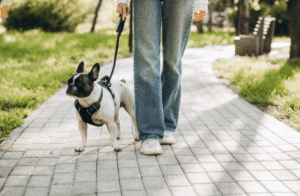
Leash manners and impulse control
-
Confidence-building through positive exposure
-
Polite greetings with people and dogs
Our expert puppy obedience training Boise programs are tailored to your dog’s age, personality, and environment — ensuring real results for local families. For that reason, many dog owners begin Puppy Training as soon as their pup is ready.
Socialization: The Secret to a Well-Rounded Dog
Socialization helps puppies stay calm and confident in unfamiliar settings. For example, they learn to navigate loud environments, other dogs, and new people without fear.
This means:
-
Meeting new people and friendly dogs
-
Exploring different textures, sounds, and places
-
Navigating busy environments like parks or patios
In addition, proper socialization lowers the risk of reactivity and fear-based behaviors later in life. That’s why we prioritize exposure in a controlled and safe environment. As a result, your puppy develops confidence that carries into adulthood.
Supporting Your Dog’s Obedience Training at Home
Training success doesn’t stop with the trainer. In fact, owners play a vital role in reinforcing new behaviors at home. Consequently, consistency matters just as much as technique.
How You Can Support Training
-
Practice every day, even just for 5–10 minutes
-
Use consistent cues and rewards
-
Redirect mistakes calmly without punishment
-
Celebrate progress — not just perfection
Our Puppy Training programs include coaching for YOU, too. As a result, you’ll feel confident continuing the work between sessions.
Why Boise Families Choose All Dogs Unleashed
We know Boise dogs. Whether you’re near the Greenbelt, exploring the Foothills, or visiting a local dog-friendly brewery, your puppy will encounter plenty of real-world situations.
That’s why our training focuses on obedience in everyday life — not just in the classroom. In addition, we offer our popular Board & Train program designed to fast-track your dog’s progress. Have questions or ready to get started? Contact Us today — we’d love to help.
Frequently Asked Questions (FAQ)
Q: What age should I start training my puppy?
A: We recommend starting as early as 8 weeks old. In most cases, your puppy is ready to begin once they are settled and cleared by your vet.
Q: Can you help with potty training?
A: Yes — crate training and consistent routines are key parts of our puppy programs. As a result, housebreaking becomes much smoother.
Q: How long is your Puppy Training program?
A: We offer customized options based on your puppy’s age and behavior goals — from short sessions to full Board & Train packages.
Q: Is socialization really that important?
A: Absolutely. In fact, controlled, positive exposure to people, dogs, and environments is critical to long-term success.
Q: What happens after puppy training ends?
A: We offer advanced obedience options and are always here if you need a tune-up or additional support. Additionally, we can help guide your next steps for long-term success through our puppy obedience training Boise services. Just Contact Us to get started.