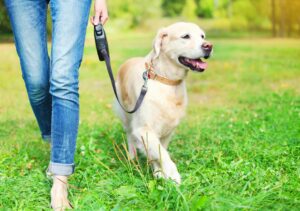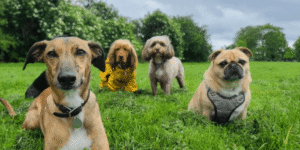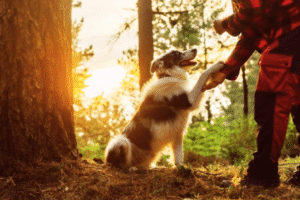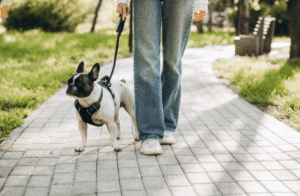


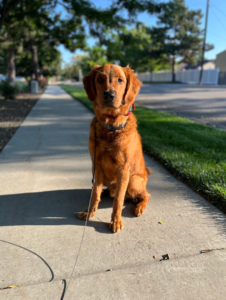
Dog sitting calmly in downtown Boise during leash training

Many Boise dog owners instinctively pick up their dogs when they bark, hoping to calm them down — but Boise dog barking training shows this response can actually reinforce the behavior and lead to long-term issues. Instead, structured training and calm redirection lead to lasting change.

  • Primary Topic: Why picking up barking dogs reinforces unwanted behavior

  • Boise SEO Keyword: Boise dog barking training

  • SEO Title: Why You Shouldn’t Pick Up Your Dog When They’re Barking – Dog Training Boise Tips


Why Picking Up Reinforces Dog Barking Behavior in Boise

If your dog barks and your first reaction is to scoop them up, you’re not alone. Many pet parents in the Treasure Valley do this without realizing they’re unintentionally encouraging the behavior. Boise dog barking training focuses on teaching calm responses, not rewarding noisy ones.

Picking up your dog during a barking episode can actually make the behavior worse — especially if the barking is driven by fear, excitement, or attention-seeking. Instead of helping, you’re signaling that barking earns cuddles, not correction.

1. Boise Dog Barking Training: Stop Reinforcing the Behavior

When your dog barks and you pick them up, you’re rewarding the action. That simple lift reinforces the idea that barking gets them what they want — whether it’s your attention, affection, or a break from something uncomfortable.

Instead, teach your dog that silence and calm behavior bring the reward.

2. Dog Training Boise Tip: Reduce Dependence and Anxiety

Picking up your dog can cause over-dependence. Dogs that are always comforted when stressed may never learn how to self-soothe or process triggers on their own.

For example, if your small dog barks every time another dog walks by and you always pick them up, they’ll start to associate other dogs with fear — and barking with rescue.

3. How Barking Affects Dog Obedience Training in Boise

Dogs bark to communicate — fear, frustration, excitement, or uncertainty. If you interrupt this with physical comfort, you’re not teaching them to cope or respond differently. You’re just masking the behavior without solving the root cause.

4. Boise Dog Training Insight: Barking Can Increase Reactivity

Some dogs become more anxious or reactive when picked up during barking. Being lifted removes their sense of control, especially if they’re barking from fear. This can escalate the behavior or even lead to defensive nipping.


Better Boise Dog Barking Training Strategies

Dog Training Boise: Use Commands, Not Comfort

Train your dog to respond to cues like “quiet”, “leave it”, or “place” instead of rewarding the barking. For persistent habits, consider a Board & Train program for faster results.

Reward Calm Behavior, Not Barking

Only give attention or affection when your dog is relaxed. Mark and reward silence to reinforce what you want.

Dog Barking Triggers Boise Owners Should Watch For

Is your dog barking at people, sounds, or dogs on walks? Understanding the trigger is the first step toward fixing it.

Give Your Dog a Job to Reduce Excess Barking

Mentally stimulated dogs bark less. Use puzzle feeders, sniff walks, and obedience routines to redirect excess energy.

Professional Dog Training Boise for Problem Barking

Sometimes barking stems from deeper behavioral issues. A structured Board & Train program can help reset unwanted habits and teach long-lasting obedience.
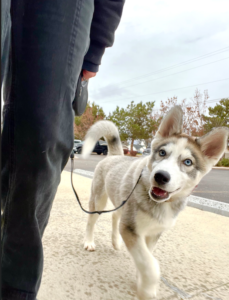

Boise dog trainer helping dog focus outdoors

Real-Life Boise Training Success

At All Dogs Unleashed Boise, we’ve helped dozens of local dogs break the barking habit using calm leadership and clear communication. Whether it’s neighborhood noise, leash reactivity, or general anxiety, the key is giving your dog structure — not scooping them up.

Want to learn more about how our team can help your dog? Contact Us for a free training consultation.


FAQ — Barking & Training Support

Why does my dog bark so much at home?
Barking at home is usually caused by boredom, outside triggers, or lack of boundaries. Training and environmental control help reduce it. Learn more from AKC’s guide to excessive barking.

What should I do instead of picking up my barking dog?
Redirect with a command like “quiet” or “place,” then reward silence. This teaches your dog that calm behavior gets attention.

Is barking always bad?
Not always. Barking is a normal behavior. But excessive barking often signals unmet needs, anxiety, or learned habits that require training.

Can barking be fixed with exercise?
Yes — physical and mental stimulation reduces barking caused by boredom or pent-up energy.

Should I ignore my dog’s barking?
If the barking is for attention, yes — but pair it with rewarding quiet moments and clear communication through training.

Dog training attention on leash in busy Boise area

Why Your Dog Struggles to Focus in Boise

Living in a dog-friendly city like Boise is a dream. However, it can quickly turn into a challenge when your pup loses focus at every turn. For instance, squirrels at Camel’s Back Park or crowded patios downtown can completely overwhelm even a well-trained dog. That’s why Boise focus dog training and professional dog training Boise programs are essential for every local dog owner.

When your dog learns to stay calm and responsive in real-world settings, daily life becomes safer, smoother, and far more enjoyable as a result.


Boise’s Biggest Dog Training Distractions

Boise offers endless adventures for dogs. Nevertheless, it also brings just as many distractions:

  • Off-leash dogs at local parks

  • Food carts and sidewalk smells

  • Cyclists and joggers on the Greenbelt

  • Friendly strangers and noisy kids

  • Wildlife near trails and rivers

These triggers are exciting for dogs. Yet, they often make it difficult for your pup to listen or respond. Even a dog that listens well at home may completely tune you out outside. Fortunately, with the right kind of dog training Boise programs, these problems can be solved quickly and effectively.

What Is Boise Focus Dog Training?

Simply put, focus training teaches your dog to tune in to you — no matter what’s happening around them. While it may sound like obedience training, it actually goes much deeper. Instead, it builds engagement, trust, and calm responsiveness in everyday Boise settings.

With Boise focus dog training, your pup learns to stay attentive and calm even when distractions are all around — like busy parks, loud cafés, and unpredictable trail encounters.

As a result, your dog learns to:

  • Make eye contact on cue

  • Ignore distractions like people or animals

  • Respond reliably to commands in public

  • Stay calm even in high-energy environments

Moreover, this type of training helps your dog make better choices independently — even off leash. For more insight, check out the AKC’s guide to urban dog skills.

How to Train Focus in Real Boise Settings

Step 1: Start Focus Training in Easy, Low-Stress Areas

To begin, choose a quiet location with only mild distractions. For example, your backyard or a quiet neighborhood park is ideal.

  • Use a consistent cue like “look” or “watch me”

  • Immediately reward with high-value treats or praise

  • Keep sessions short and positive for best results

Although it may feel slow at first, these early steps are crucial to long-term success. Additionally, they set the foundation for more advanced training later.

Step 2: Build Distraction-Proof Dog Focus Skills in Boise

Once your dog can focus in calm areas, gradually move to more distracting environments. For instance, try training in places like:

  • Sidewalks in downtown Boise

  • Outside dog-friendly cafés

  • Busy public parks or trailheads

  • Near playgrounds or outdoor events

As you increase the difficulty, continue to reward calm behavior and focused eye contact. Therefore, your dog learns that paying attention to you is always the better choice.

In addition, working with a local dog training Boise expert ensures you’re progressing at the right pace — without overwhelming your dog.

Why Boise Focus Dog Training Builds Confidence

Dogs that stay focused in noisy or unpredictable settings tend to feel more secure. Instead of reacting impulsively, they begin to look to you for direction. Because of this shift, they’re more manageable in real-life situations.

Focus training often leads to:

  • Reduced leash pulling and barking

  • Fewer outbursts or reactivity

  • Better manners around other dogs and people

  • More relaxed and enjoyable outings for both of you

In short, you’ll both gain confidence through every successful session. In fact, many of our clients say their own confidence improved just as much as their dog’s — thanks to consistent, real-world dog training Boise sessions.

Why Professional Help Speeds Up Results

Certainly, you can make progress with DIY training. However, most owners see faster and more consistent results with expert guidance. A structured Board & Train program allows your dog to build real-world focus — guided by pros who know exactly how to handle distractions.

Our Boise trainers will:

  • Customize drills based on your dog’s personality and needs

  • Use real-life Boise settings for more relevant practice

  • Transition skills from the classroom to trails and sidewalks

  • Coach you so progress continues long after training ends

Because our dog training Boise programs are hands-on and practical, your dog learns skills they’ll actually use — not just tricks for treats.

If you’re ready to take the next step, Contact Us today and let’s create a plan tailored to your dog.


Ready to Train Focus and Enjoy Boise Again?

Whether you’re walking near The Village, exploring the foothills, or grabbing coffee downtown, Boise can be overwhelming for untrained dogs. But with the right focus training, your dog can stay calm, connected, and responsive — no matter what’s happening around them.

Ready to enjoy calmer walks and better behavior? Start your Boise focus dog training journey today and experience real-life results that last.

Ready to see real results? Board & Train and get your dog on the path to success with Boise’s most trusted dog training Boise experts.


FAQ

Q: Can my dog really learn to ignore distractions like other dogs or people?
A: Absolutely. With consistent focus training, your dog can learn to stay engaged even in chaotic environments.

Q: How long does focus training usually take?
A: That depends. However, many dogs improve within a few weeks of structured, consistent training — especially when done in real-life settings.

Q: Should I start in public, or wait until my dog is trained at home?
A: Start small at home, but gradually shift to public spaces. After all, that’s where you need the behavior most.

Q: Is this the same as basic obedience training?
A: No. Focus training goes beyond obedience. It teaches dogs to remain attentive and calm despite surrounding distractions.

Q: What makes your dog training Boise programs unique?
A: We train in real Boise environments using methods that help your dog succeed in day-to-day life — not just in a classroom.

Boise dog socialization class at a local dog park

Boise dog socialization training is one of the most important steps you can take to help your dog become confident and well‑behaved around people, environments, and other animals. In fact, early and ongoing exposure to positive experiences helps reduce fear and anxiety while boosting your dog’s ability to handle real‑world situations with ease. (AKC guide to puppy socialization)


Why Boise Dog Socialization Training Matters

What Is Dog Socialization in Boise?

Socialization is the process of safely introducing your dog to a variety of people, dogs, places, and sounds. As a result, they learn what’s normal and non‑threatening in the world.

Key Benefits of Socializing Dogs in Boise

  • Better confidence in new situations

  • Reduced fear or reactive behavior toward strangers or other dogs

  • Improved comfort in busy settings like parks and trails

  • More positive interactions in everyday life

Additionally, dogs that miss out on socialization are more likely to develop fear‑based behaviors or anxiety. Therefore, helping them learn positive associations early makes your life easier and keeps your dog happier. (AKC article on raising a confident puppy)


Your Role in Successful Dog Socialization

How Boise Owners Can Support Dog Socialization Training

Socialization doesn’t happen by accident—it’s something you guide your dog through thoughtfully.

Tips for Confidence‑Building Socialization

To help your dog thrive:

  • Gradually introduce new experiences in calm, positive ways

  • Reward calm behavior with praise or treats to encourage confidence

  • Watch for stress signs and help your dog feel safe during exposure

  • Start early but continue throughout life for lasting results

Even adult dogs can improve their confidence with proper, slow, and positive exposure. In other words, it’s never too late to start.


Professional Dog Socialization Training in Boise

Professional guidance can make socialization more effective and less stressful—especially if your dog has struggled with fear or awkward interactions.

At All Dogs Unleashed Boise, our expert team uses proven methods to help dogs of all ages learn positive social behaviors. Whether your dog is a playful puppy or an adult needing more confidence around new situations, our structured Board & Train program builds real results.

Why Choose Our Boise Dog Training Team

  • Supportive, step‑by‑step socialization strategies

  • Real‑world skills that transfer to daily life

  • Confidence building in dogs of all temperaments

Ultimately, training is more than obedience—it’s about giving your dog the tools to thrive in Boise’s active community.


Group-Based Dog Socialization in Boise

Group classes provide a safe space for dogs to interact under professional supervision. Consequently, this builds real confidence and focus around distractions.

Structured settings like classes or guided meet‑ups help dogs learn polite manners while exposed to other dogs and people in positive, coached sessions. As a result, dogs become more comfortable and well-mannered in everyday environments.


Boise Dog Socialization Training Builds Lifelong Confidence

Boise dog socialization training gives your pup the tools to thrive in our busy, dog-loving community. With structured exposure to people, places, and other dogs, your pet gains the confidence to enjoy every experience with ease. In turn, this creates a more enjoyable life for both of you.


Ready to See Real Results?

Board & Train and get your dog on the path to success. Have questions? Contact Us to learn more today.


FAQ About Dog Socialization Training

Q: When should I start socializing my dog?
A: Puppies benefit most when introduced to new experiences early. However, adult dogs can also learn with slow, positive exposure.

Q: Can socialization help with fear and anxiety?
A: Yes—proper socialization teaches dogs how to handle new situations calmly. As a result, it helps reduce fear‑based reactions.

Q: Is professional training necessary?
A: While it’s not required, professional guidance can make learning faster and safer—especially for dogs with past challenges.

Q: What kinds of settings should I expose my dog to?
A: People of different ages, other friendly dogs, varied environments, and everyday sounds all help create well‑rounded dogs.

Young puppy sniffing grass near walking path in Ann Morrison Park, Boise

If you’ve just brought a new puppy home in Boise, proper boise puppy potty training is one of the first—and most important—steps you’ll take. Getting this right helps your pup learn good habits early. It also keeps your home clean and makes everyday life easier for you and your dog.


Why Boise Puppy Potty Training Is So Important

  • Potty training helps your puppy understand where and when it’s acceptable to go outside. That builds good lifelong habits. Learn more at AKC

  • Without structure, puppies may potty indoors repeatedly, which can lead to frustration for you and confusion for them. Routine and consistency set everyone up for success.


Key Steps for Boise Puppy Potty Training Success

Create a Routine for Puppy Toilet Training in Boise

  • Take your puppy out first thing in the morning, after meals, after naps, after playtime, and before bedtime.

  • Young puppies often need frequent potty breaks — sometimes every 1–2 hours.

Use a Consistent Potty Spot for Housebreaking

  • Choose a spot outdoors (or inside with pee‑pads if needed). Always bring your pup to the same place. The familiar smells and surroundings help them learn what that spot is for.

Reward Good Behavior During Boise Puppy Potty Training

  • When your puppy eliminates in the right place, offer praise, petting, or a treat. Rewarding immediately helps them understand the desired behavior.

  • Avoid scolding or punishing accidents — that can create fear or confusion.

Watch for Potty Signals While Housebreaking Your Puppy

  • Puppies often show signs before needing to go: sniffing around, circling, whining or pacing. When you see these, act quickly.

  • When you can’t supervise, use a crate or confined spot. Dogs naturally avoid soiling their sleeping or resting area — that instinct helps with training.

Clean Accidents Properly During the Potty Training Process

  • Accidents will happen. Use a pet-safe enzymatic cleaner to remove odors so puppies aren’t drawn back to the same spot.

  • Stay calm. Never punish — treat accidents as learning opportunities, not failures.

Be Consistent and Patient While You Potty Train Your Puppy

  • Every pup learns at their own pace. Consistency, patience, and persistence pay off.

  • With steady effort, many puppies are reliably house‑trained by 4–6 months old.


Common Housebreaking Challenges for Boise Puppies

  • Puppy has accidents when unsupervised → Limit freedom; crate or confine until reliable.

  • Puppy sniffs and circles but doesn’t go when outside → Stay calm, keep them on leash, wait a few more minutes. If nothing, try again soon.

  • Using pads but want outdoor training later → Phase out pads gradually while reinforcing outdoor potty with praise.


Extra Tips for Boise Puppy Potty Training Success

  • Keep toileting times tied to routine — for example, set phone reminders for potty breaks.

  • Use the same cue phrase, like “go potty” or “outside,” each time. Consistency helps pups learn faster.

  • If you travel or leave pup alone, plan for potty breaks (dog walker, puppy pads, or confinement).


Final Thoughts on Potty Training a Puppy in Boise

Boise puppy potty training doesn’t have to be messy or frustrating. With a solid routine, a designated potty spot, lots of positive reinforcement, and some clear boundaries — you’ll have a well‑house‑trained pup before you know it. Stay patient, stay consistent, and celebrate each small win.

Need extra support with housebreaking your puppy? Our Board & Train program is a great way to fast-track results. Or Contact Us to talk with a Boise trainer today.


FAQs

Q: When should I start potty training my puppy?
A: You can begin as soon as you bring your puppy home. Early habits—feeding, bathroom breaks, and supervision—lay the groundwork for success.

Q: How often should I take my puppy outside for potty?
A: Take them out first thing in the morning, after meals, after naps or play, and before bedtime. Young puppies may need several trips a day.

Q: What if my puppy has an accident indoors?
A: Clean it thoroughly with a pet‑safe enzymatic cleaner to remove odors. Avoid scolding. Instead, refocus on the routine and reward successes outside.

Q: Can crate training help with potty training?
A: Yes — most puppies avoid soiling their sleeping area. A properly sized crate helps teach bladder control when you can’t supervise directly.

Q: My puppy still has accidents weeks in — what can I do?
A: Check your schedule and consistency. Consider limiting access when unsupervised, using a crate, and strengthening positive reinforcement. If needed, Contact Us to speak with a local trainer.

Boise dog resting calmly on living room floor while owner prepares to leave

If you’re a Boise dog owner and you’re worrying that your pet may suffer from separation anxiety, this guide to Boise dog separation anxiety training will help you understand the issue and take real steps toward a calmer home. Learn how the team at All Dogs Unleashed Boise can support your dog’s behavior transformation.

What Is Dog Separation Anxiety in Boise?

When your dog becomes overly glued to you and panics when you leave, that’s more than a bit of sadness—it may be true anxiety. Even well‑behaved dogs can struggle when left alone. Recognizing this matter early means you can act before things get worse.

Signs of Dog Separation Anxiety in Boise

Here are common signs to look for:

  • Non‑stop barking, howling or whining when left alone, beyond what might be considered normal

  • Destructive behaviors: chewing doors or window sills, digging by exits, trying to escape

  • Pacing, walking in fixed patterns when alone

  • House‑soiling, even if previously house‑trained

  • Excessive salivation, panting or drooling when separated

  • Extreme greetings when you return, far beyond normal excitement

Why does it happen?

There isn’t always a single cause. Some contributing factors include:

  • Ageing dogs may develop anxiety

  • A change in routine or loss of a family member

  • Rescue dogs: past trauma or neglect often raises risk

  • Physical illness: Always check with a vet to rule out medical causes

For a detailed breakdown of causes and behavior patterns, see this helpful AKC guide on dog separation anxiety.

How Dog Anxiety Training in Boise Helps

Training tailored for separation anxiety can significantly reduce stress for your dog. Effective strategies include:

  • Building confidence: using positive reinforcement so your dog links alone time with good things

  • Establishing routine: creating a predictable pattern before departures helps your dog feel safer

  • Teaching relaxation: e.g., get your dog to settle on a mat or bed on cue, so they learn a calm behavior when alone

  • Crate training (when appropriate): a well‑introduced crate can become a safe “den” rather than a punishment

  • Gradual desensitization: leaving your dog alone for short periods and slowly increasing time so they adjust

  • Command training: basics like “sit”, “stay”, “come” redirect focus and give structure

  • Counter‑conditioning: pairing your departure with something positive (a treat toy) so your dog expects something good when you leave

Training options we recommend for Boise area dogs

  • In‑home lessons: A trainer comes to your Boise home, assesses your dog and works with you directly.

  • Board‑&‑train: For more serious cases, your dog stays with the trainer for a period to reset behavior in a focused environment. (Ensure the trainer explains how to transition the training back home.)

Using the right option can make the difference between continued anxiety and a relaxed, happy dog.

Next steps for Boise dog owners

  1. Observe your dog’s behavior the next time you leave home. Note any patterns of anxiety.

  2. Consult your vet to rule out health issues.

  3. Choose a qualified trainer with experience in separation anxiety. Ask about success stories and clear plans.

  4. Commit to the training plan fully — routine, consistency, and gradual progress matter most.

  5. Celebrate improvements (however small)! Every calmer moment is progress.

Ready to see real results? Board & Train and get your dog on the path to success.

Need help getting started? Contact Us today and speak with a Boise-area dog training expert.


FAQ

Q: Can separation anxiety be completely cured in dogs?
A: While some dogs may fully overcome it, most dogs learn to manage their anxiety through consistent training, routine, and support. The goal is to reduce stress and improve behavior.

Q: What breeds are more prone to separation anxiety?
A: While any dog can develop it, breeds like Labrador Retrievers, Border Collies, German Shepherds, and rescue dogs tend to be more prone due to their sensitivity and attachment levels.

Q: Is it okay to use calming supplements or CBD for dog anxiety?
A: Some supplements may help when used alongside training, but always consult your vet first. Supplements alone are not a substitute for behavior training.

Q: Should I ignore my dog when I get home to reduce excitement?
A: Briefly ignoring over-excited greetings can help teach your dog that calm behavior gets your attention. Wait until your dog settles before offering affection.

Q: Can a dog develop separation anxiety later in life?
A: Yes. Changes in routine, environment, family structure, or health can trigger anxiety even in previously calm dogs.

Dog training session in Boise park with local trainer and happy dog on leash

If you’re looking for dog training programs in Boise that actually work, then you’re in the right place. At All Dogs Unleashed Boise, we understand how frustrating behavior issues can be, especially because they disrupt your daily routine. However, our expert dog training programs in Boise are designed to fix those problems quickly and effectively. As a result, you’ll enjoy peace, control, and a stronger bond with your dog.


Why Dog Training Programs in Boise Make a Real Difference

Safety first.

  • A dog who listens is less likely to run into danger, so safety improves quickly.

  • As a result, your dog responds more reliably in public or at home.

  • For example, off-leash training prevents chasing cars or animals.

Faster, lasting results.

  • You could try books or videos. However, those lack personal attention.

  • That’s why our trainers evaluate your dog before building a plan.

  • Our dog training programs in Boise are tailored to your dog’s needs, age, and behavior.

  • In addition, we use proven methods backed by expert dog training tips, so progress is reliable.

Tackling tough behavior.

  • Jumping, barking, and leash-pulling drain your energy, and those issues often escalate.

  • Instead, we teach better habits and reward calm choices.

  • Therefore, your dog gains confidence and self‑control.

Better social skills and bonding.

  • Poor behavior limits social opportunities, because it keeps dogs separated from others.

  • In addition, training improves how dogs interact with people and other pets.

  • As a result, you enjoy more predictable outings and peaceful walks.

What to Look for in Boise Dog Training Programs

Qualified instructors.
Choose trainers with broad experience, because skilled guidance helps your dog learn faster.

Customized programs.
Every dog learns differently, so classes adapt to age, energy, and behavior needs.

Clear progress tracking.
You should see steady improvement. For example, we track milestones after each step.

Community and socialization.
Group sessions help dogs practice manners, and they also build confidence around distractions.


Local Highlights at All Dogs Unleashed Boise

Here in Boise:

  • We train in local environments like parks and trails, so your dog learns skills they can use daily.

  • Whether you’re near downtown Boise, Meridian, or Eagle, our schedule adjusts to your routine.

  • Most importantly, our training prepares dogs for real‑world settings, because confidence matters everywhere.

Your Next Step

We’re proud to offer results-driven dog training programs in Boise that give you lasting success. Start with a consultation—let’s learn your goals and recommend the best fit. For example, some dogs thrive in private lessons, and others succeed in group sessions. As a result, you get a plan that works.

Ready to see real results? Board & Train and get your dog on the path to success. For more info, Contact Us today.


FAQ

Q1: How long until I see a difference?
A1: Many dogs improve within 2–4 weeks; however, some issues need more time and practice.

Q2: Do you train puppies as well as adult dogs?
A2: Absolutely. In fact, we offer programs for all ages, so every dog can learn basic or advanced skills.

Q3: Can training fix aggression toward other dogs?
A3: Yes. Skilled training reduces triggers and teaches safer responses; however, consistency is essential.

Q4: What if my dog behaves well in class but misbehaves at home?
A4: Our support continues after training, so you stay on track with routines and refreshers.

Q5: How do group classes help after initial training?
A5: Group sessions reinforce behavior, build social skills, and maintain progress; therefore, they are highly valuable.

Happy dog interacting with other dogs during a socialization session in a Boise park

Welcoming a new dog or helping your older dog thrive in our Boise community means focusing on Boise dog socialization right from the start. As a result, you’ll build a foundation for a confident, friendly companion you’re proud to walk around town.

Why Boise Dog Socialization Matters for Every Dog

When you introduce your dog to a variety of experiences—parks, people, other dogs, even local trails—you help them learn:

  • That new sights and sounds are interesting and safe.

  • How to keep calm instead of reacting with fear or stress.

  • How to make good choices when meeting strangers or other dogs.

However, dogs with limited social exposure may:

  • Bark or jump at strangers.

  • Become reactive around animals or new settings.

  • Struggle to cope with novel environments (like Boise’s trails or city sidewalks).

Here’s a helpful guide on introducing dogs to each other.

The Owner’s Role in Socializing Dogs in Boise

As a dog owner, your role is crucial. After all, you are your dog’s anchor. Here’s how you can help:

  • Gradually expose your dog to new places, people, animals—in a positive way.

  • Reward calm, confident behavior with praise and treats.

  • Stay relaxed, so your dog can follow your lead.

  • Watch for signs of stress, and guide your dog back to safety when needed.

In addition, being consistent in these efforts helps your dog build lasting confidence. Over time, these habits shape calm and well-adjusted behavior.

How Professional Help Supports Your Dog’s Social Skills in Boise

Whether your dog is a playful puppy or an adult needing a confidence boost, a trainer can help dramatically. For example, structured sessions allow your dog to practice good behavior around distractions.

Our Board & Train program is a great option for building social skills in a consistent, supervised setting. As a result, many owners report calmer walks and better manners at home.

Additionally, working with a trainer empowers you with the skills to continue reinforcing positive behavior long after training ends.

Real-Life Tips for Boise Dog Socialization Success

Here in Boise, there are plenty of opportunities for effective Boise dog socialization—from local parks to dog‑friendly cafés. Consider the following:

  • Signing up for a group class where your dog sees and learns from others.

  • Organizing short, daily exposures—maybe a new neighborhood nook or local café patio.

  • Tracking progress: for instance, less barking, more calm greetings, more relaxed walks.

That said, always go at your dog’s pace. If they seem overwhelmed, pause and try again another day. Eventually, with enough positive experiences, even nervous dogs learn to trust the process.

Note: If you ever feel your dog’s behavior is more worried than curious, step back and reduce intensity—let them adjust at their own pace.

Final Thoughts

Consistent Boise dog socialization—with our city’s mix of urban and outdoor spaces—is one of the best investments you can make in your dog’s future happiness. Therefore, the sooner you start, the better.

A confident dog means fewer worries, more walks, and more joy for you both. In conclusion, socialization isn’t just about behavior—it’s about building trust, resilience, and connection.

If you have questions about your dog’s behavior or want personalized guidance, don’t hesitate to Contact Us.

Ready to see real results? Board & Train and get your dog on the path to success.


FAQs

What age should I start socializing my dog in Boise?
You can begin socializing your dog as early as 8–12 weeks, once they’ve received initial vaccinations. Early exposure builds confidence and prevents future behavior issues.

Can older dogs still be socialized successfully?
Absolutely. While early socialization is ideal, adult dogs can learn to feel comfortable around new people, dogs, and environments with consistent, positive experiences.

What are signs my dog needs more socialization?
If your dog barks excessively, shows fear or aggression around strangers, or resists new environments, they likely need more structured socialization.

How can I safely socialize my dog in Boise?
Start with calm areas like quiet neighborhoods or parks. Gradually introduce more stimulation, and use treats and praise to reinforce positive reactions. Avoid overwhelming your dog too quickly.

Is a Board & Train program helpful for socialization?
Yes, Board & Train programs offer safe, supervised interactions that help dogs build social skills with guidance from professional trainers.

Dog training with owner in Boise foothills during sunset

The benefits of dog training in Boise go far beyond teaching basic commands. With professional guidance, you’ll build better communication, reduce stress, and enjoy a stronger bond with your dog. Whether you’re raising a new puppy or correcting frustrating behaviors, structured training leads to lasting results.

1. Clear Communication: A Core Benefit of Dog Training in Boise

Every dog wants to please, but not every dog understands what you’re asking. Fortunately, professional training helps bridge that gap.

First, you’ll learn how to speak your dog’s language. Then, you’ll discover your dog’s individual learning style. As a result, you’ll use training tools that actually work in your everyday routine.

When your dog knows what’s expected, life gets easier—and calmer—for everyone.

2. Build Trust Through Obedience Training in Boise

Training strengthens your relationship. You’re not just giving commands—you’re building a connection based on trust.

In addition, structured time together helps your dog feel more secure. Through consistent work, your dog will begin to anticipate your direction with enthusiasm. Eventually, this mutual respect becomes part of every interaction.

Because of this, many pet owners say training made them feel more connected to their dog than ever before.

3. Stress-Free Living: Behavioral Benefits of Dog Training in Boise

Does your dog bark constantly, jump on guests, or act out when left alone? If so, you’re not alone. However, targeted training can resolve these everyday stressors.

For example, you’ll learn how to set clear boundaries your dog can follow. Additionally, your dog becomes more focused and calm even in busy environments. As a result, you’ll enjoy smoother walks, quieter evenings, and fewer frustrations at home.

These are some of the most noticeable benefits of dog training in Boise for busy families and pet parents.

4. Safety Benefits of Dog Obedience Training in Boise

Training keeps your dog safe—especially in active Boise neighborhoods, trails, and parks. A well-trained dog is less likely to dart into the road or lunge at distractions.

That’s why recall, leash control, and impulse management are key parts of every program. In addition, your trainer will help you reinforce these skills consistently over time. This way, you can walk, hike, or travel with confidence.

Want to dive deeper into safety training? Check out these AKC training programs designed to prevent accidents and build reliable obedience.

5. Eliminate Frustrating Behaviors

From excessive barking to chewing furniture, unwanted behavior can create daily stress. Fortunately, training replaces chaos with structure.

With help from a trainer, you’ll address the root causes of problem behaviors—not just the symptoms. Over time, your dog becomes more relaxed, focused, and well-behaved both at home and in public.

If you’re feeling overwhelmed, the benefits of dog training in Boise can turn frustration into peace of mind.

6. Get Help With Aggression or Anxiety

Serious behavior issues like aggression or anxiety need professional support. Whether your dog is fearful, reactive, or dealing with past trauma, there is a path forward.

To start, we evaluate what’s triggering the behavior. Then, we use proven techniques to rebuild your dog’s confidence and self-control. Finally, we coach you through handling difficult situations with calm, assertive leadership.

Many of our clients see powerful changes through Board & Train, especially when dealing with complex cases.


Why Choose All Dogs Unleashed Boise?

At All Dogs Unleashed, we tailor every training program to your dog’s needs, temperament, and lifestyle.

Most importantly, our Boise team understands the local environment—from crowded neighborhoods to off-leash trails. Unlike online courses or generic classes, we offer real-world results with support every step of the way.

Whether you need Puppy Training, advanced obedience, or serious behavior correction, we’re here to help.

Ready to see real results? Board & Train and get your dog on the path to success.


FAQs

What types of dogs benefit from training?
All dogs—puppies, rescues, senior dogs, and stubborn breeds—can benefit from structured training. The benefits of dog training in Boise apply to every breed and age.

How long before I see results?
Most owners notice improvements within the first few sessions. However, long-term results come from consistency and follow-through.

Should I choose private lessons or group classes?
Private training offers faster, more customized results. Group classes add socialization. For more intensive help, our Board & Train is ideal.

What types of behavior do you work with?
We help with jumping, barking, pulling, anxiety, aggression, and more. If it’s causing stress, we have a solution.

How do I get started?
It’s easy—Contact Us and our Boise team will walk you through the next steps.

Young puppy walking on leash with trainer at Boise park during foundation training

Your puppy’s early training sets the tone for every stage of life, and that’s true for Boise puppy training foundation too. If you’re welcoming a new pup in the Boise area, now’s the time to start strong—with routines, consistency, and real skill building. Learn more about us and our local training programs.

Why a Boise Puppy Training Foundation Matters

When your puppy is first exploring the world, they’re full of curiosity… and chaos sometimes. However, instead of waiting for problems to pop up, starting early means you can shape behaviors, build trust, and set the stage for success.
For example: a pup who learns calm behavior around people and dogs is far less likely to develop anxiety later.

Core Puppy Training Skills to Build a Strong Foundation

Here are the essentials that form the pillar of your puppy’s good behavior and link directly into your Boise puppy training foundation:

  • Crate training — gives your pup a safe space and helps with housebreaking.
  • Housebreaking — consistency here prevents ongoing messes and frustration.
  • Calm around people and dogs — so your dog is comfortable in our local parks, meet‑ups, and events.
  • Confidence in new environments — Boise offers many adventures… your pup should be ready.
  • Reliable recall (coming when called) — essential for safety and freedom.
  • Walking on leash without pulling — a basic courtesy in the city and nature alike.
  • Accepting grooming and handling — makes vet visits and social time easier.

Want expert tips on essential skills? Teach your puppy these 5 basic commands from the AKC.

How We Build a Puppy Training Foundation in Boise

Through our training approach we emphasize:

  • Clear communication and mutual understanding, not just obedience.
  • Consistency and meaningful rewards rather than fear or harsh methods.
  • Partnership with you, the owner, so you and your pup succeed together.
    This kind of foundation supports your dog’s long‑term well‑being and helps avoid fear‑based behaviors or anxious reactions later.

Trusted Puppy Trainers in Boise for Lasting Success

Whether this is your first puppy or your fifth, our team is ready. We believe every dog brings something special—and every family deserves a well‑behaved companion.
With the right training focus, your puppy will grow into a respectful, reliable adult dog ready for life in and around Boise.

Ready to see real results? Board & Train and get your dog on the path to success.

Have questions or want to start training? Contact Us today!


FAQ

Q1: At what age should I start the Boise puppy training foundation program?
A1: You can start as early as when your puppy is safely vaccinated and active, typically around 8–16 weeks. Starting early helps build good habits before unwanted ones take hold.

Q2: How often should I train with my puppy to build a strong foundation?
A2: Short, consistent sessions (5–10 minutes, several times a day) work best. Repetition and positive reinforcement are key in maintaining momentum and retention.

Q3: Can we do this training at home or do we need to come into a facility?
A3: A large part of the training happens at home or in your daily routines to reinforce real‑life behaviors. A facility or professional support helps accelerate progress and ensure consistency.

Q4: What makes the foundation different from advanced training later on?
A4: The foundation focuses on basic habits, confidence, and trust—things like walking nicely, recall, calm around other dogs, handling. Advanced training builds on that with more complex skills and distractions.