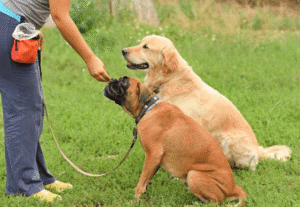


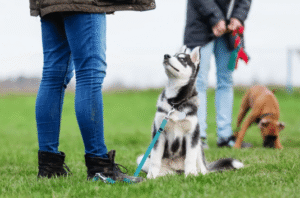
Husky puppy sitting on grass during outdoor dog training class in Boise, looking up at trainer.

If you’re a dog owner in Boise, you understand how much it means to have a well‑behaved, happy pup. Enrolling your dog in Boise dog training classes can be a true game‑changer. Not only does it improve manners, but it also deepens your bond with your dog—here’s how.

Why Boise Dog Training Classes Speed Up Progress

To begin with, joining a class led by certified trainers helps your dog learn faster. These professionals work with all breeds and behavior types, and they tailor methods to fit your dog’s unique personality. For example, a bold Labrador may need different strategies than a shy rescue.

Additionally, you can explore structured training programs by the AKC to learn more about what a comprehensive curriculum can include.

Boosting safety through obedience

Dogs that reliably follow cues like “sit,” “stay,” or “come” stay safer in real-world situations. As a result, from busy Boise streets to unexpected encounters at the park, strong obedience protects your dog in everyday life.

Tackling problem behaviors with confidence

Jumping, barking, and reactivity often frustrate owners. However, the right classes give you tools to manage and change these behaviors. With expert support, many dogs show noticeable improvements and become calmer companions.

Socialization Benefits of Dog Training Classes in Boise

In addition to learning obedience, dogs grow more confident when they face controlled challenges. In group classes, they meet other dogs and people in a structured setting. Consequently, this exposure reduces anxiety and builds the social skills your dog needs.

Build a Better Bond Through Boise Dog Training

Above all, training builds communication and trust. When your dog understands what you expect, they feel secure. Therefore, you’ll enjoy outings, walks, and daily life more—with fewer corrections and more connection.

Have questions or want help choosing the right class? Contact Us today and speak with a local trainer.

Ready to see real results? Board & Train and get your dog on the path to success.


FAQ

Q: What age should my dog start Boise dog training classes?
A: Most trainers recommend starting as early as eight to ten weeks for puppies, but adult dogs benefit greatly too. It’s never too late.

Q: How long until I see results from Boise dog training classes?
A: While results vary, many owners notice improvements within a few weeks of consistent classes and practice.

Q: Do I need to practice at home after attending Boise dog training classes?
A: Yes. Regular short sessions at home reinforce what’s learned in class and help make good behavior a habit.

Q: Can standard training classes handle serious behavior issues like aggression?
A: For mild to moderate behavioral concerns, group classes are a strong option. But for severe aggression or anxiety, a specialized program or one‑on‑one training may be needed.
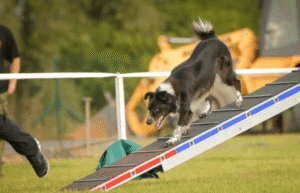
Calm, focused dog practicing impulse control during training session with a local Boise dog trainer at a sunny park

If you’re a dog owner in Boise, you know how much joy your pup brings — and how structured dog training for mental health can also support your own emotional well‑being. At All Dogs Unleashed Boise, we’ve seen firsthand how consistent training routines benefit both dog and owner.

How Boise Dog Training Supports Your Mental Well‑Being

When we think of dog training, we often picture commands like sit, stay, and heel. However, training goes deeper — it can help reduce stress, improve mood, and even boost serotonin levels. For example, predictable behavior from your dog replaces erratic moments with calm routines.
During Boise’s colder or darker months, these small shifts in behavior become especially impactful.

Impulse Control & Mental Wellness Through Dog Training in Boise

One of the key skills in our Board & Train program is impulse control. That skill applies not just to your dog but to your home environment too. Dogs who learn to wait, not bolt or bark at every trigger, create calmer homes — and that means lower cortisol (stress hormone) for you.
Through effective dog training for mental health, you gain structure and peace of mind.

Emotional Energy and Boise Dog Training Success

Your dog often mirrors your emotional state — a hyper, overstimulated dog reflects a stressed owner. By guiding your dog to regulate behavior, you help yourself reset. Structured routines—training walks, mental exercises, small wins—can help you unwind and feel more grounded.
Want more ways to support your dog’s mind? Check out the AKC’s guide on how to keep your dog’s mind sharp.

Using Boise Dog Training Routines to Combat Seasonal Blues

Boise is full of dog‑friendly parks, trails, patios and social events — which is wonderful, but can also be distracting. A spontaneous walk downtown can become over‑stimulating for your dog — and you. Training becomes a rhythm. It gives you and your dog manageable goals. It creates predictability. When outside feels heavier, a clear indoor or structured walk routine becomes relief.

How Board & Train Leads to Dog Training for Mental Health and Calm

When we partner with you on Board & Train, we’re not just focusing on your dog’s behavior — we’re creating a better daily life for both of you. From puppy to mature dog, we tailor programs that build skill, create calm, and support dog training for mental health no matter the season.

Have questions about how to get started? Contact Us to learn how we can help bring balance back to your home.

Ready to see real results? Board & Train and get your dog on the path to success.


FAQ

  • Q: How soon will I see mental‑health benefits from dog training?
    A: Benefits vary, but many owners report calmer moods and reduced stress within a few weeks of consistent training routines.

  • Q: Does this apply only to puppies or adult dogs too?
    A: It applies to all ages. Structured training helps adult dogs and owners create routine and calm, regardless of when you start.

  • Q: What kind of training supports mental‑wellbeing?
    A: Training that emphasizes impulse control, daily routines, consistent walks/exercises and positive reinforcement works best.

  • Q: I live in Boise — how can local‑specific training help?
    A: Local training accounts for Boise’s parks, trails, weather and distractions. It creates real‑world routines that suit your local lifestyle.

  • Q: Can professional training be integrated into home routines?
    A: Yes. Professional guidance establishes structure and the owner continues practices at home — creating sustainable calm for both dog and owner.

Dog and trainer working on obedience commands in a Boise park during training session

If you’re looking for a proven way to improve your dog’s manners and behavior, enrolling in a Boise obedience school for dogs is one of the smartest steps you can take. These structured programs help you and your dog work as a team—bringing clarity, consistency, and confidence every step of the way.

1. Correct Problem Behaviors with Dog Training in Boise

To begin with, bad habits like jumping on guests, excessive barking, or aggression toward other dogs or people can quickly become stressful. Fortunately, training provides structure and guidance to eliminate these problems. Without clear rules and reinforcement, many dogs end up in shelter situations.
However, a targeted program can convert a challenging dog into a well‑behaved companion with lasting results.

2. How a Boise Obedience School for Dogs Improves Safety

In addition to correcting behaviors, training is essential for safety. A dog that reliably responds to “sit,” “stay,” or “come” and can behave off‑leash is far less likely to bolt into traffic or chase after animals.
Moreover, training teaches your pup to listen in high‑distraction settings—something that’s critical for your peace of mind.

3. Build a Stronger Bond Through Obedience Training

Not only does training improve obedience, but it also deepens your relationship. Dogs naturally want to please their humans. Yet without proper training, misunderstandings can emerge—house rules go unlearned, and communication breaks down.
Thankfully, training fosters better understanding and mutual respect between you and your dog. For example, when your dog knows what you expect, you’ll both enjoy outings and quiet time more.

4. Improve Socialization with a Boise Obedience School for Dogs

Another benefit of formal classes is improved social behavior. If your dog struggles with meeting other dogs or reacts poorly in group settings, isolation isn’t the only answer. Instead, professional training addresses root causes and introduces positive social experiences.
Whether your dog is fearful, territorial, or simply out of practice, structured social interaction under supervision helps change the equation.

5. Why Obedience School for Dogs Also Stimulates the Mind

Equally important, dogs need mental stimulation to thrive—especially intelligent or high‑energy breeds. Training sessions engage their minds, which helps prevent boredom‑fueled behaviors like chewing furniture or digging.
Once core skills are in place, you’ll want to reinforce them at home with consistent practice, daily walks, and playtime to sustain the gains.


Our Approach to Dog Obedience Training in Boise

Of course, there are many trainers to choose from. However, you’ll want a provider that guarantees results and supports both the dog and the owner. At All Dogs Unleashed Boise, our method:

  • Uses a clear step‑by‑step process

  • Addresses the dog’s unique needs

  • Includes owner education to maintain progress

In other words, you’re not just being handed a trained dog—you’re being equipped to keep it that way long after the program ends. That’s why choosing a trusted Boise obedience school for dogs is so important—one that not only trains your pup but also empowers you to keep the training going at home.


Getting Started in Boise

So, if you’re ready to transform your dog’s behavior and enjoy every moment together, take the first step. First, you’ll meet with a trainer, talk through your goals and your dog’s current status, and decide on a plan that fits your lifestyle and budget.

Not sure where to begin? Contact Us and we’ll help you schedule your free consultation.

When you work with a Boise obedience school for dogs, you’re not just fixing issues—you’re building a better relationship with your dog that lasts.

For more on what to expect from group and individual classes, check out this helpful guide from the American Kennel Club.


Ready to see real results? Board & Train and get your dog on the path to success.


FAQ

Q1: What age should my dog start training classes?
A1: Dogs of virtually any age can benefit from training classes. Puppies might start as early as 8–12 weeks, while adult dogs may need classes when behaviors develop or change.

Q2: How long until I see results from training?
A2: Many owners notice improvements within a few weeks. However, lasting change depends on consistency at home. The program you choose and your commitment matter.

Q3: Are group classes enough, or do I need one‑on‑one training?
A3: That depends on your dog’s behavior. Basic obedience may do fine in group classes. On the other hand, significant issues (aggression, fear, chronic bad habits) often require individual or intensive Board & Train support.

Q4: Will training actually help my dog socialize with others?
A4: Yes. Proper training includes supervised socialization—teaching your dog to interact calmly and appropriately with other dogs and people rather than merely avoiding those situations.

Q5: What happens after formal classes end?
A5: Training is just the start. Therefore, you’ll need ongoing practice at home, regular outings, and reinforcement of skills to keep your dog’s good behavior stable over time.

Dog trainer working with a German Shepherd in a Boise park during a professional dog training session

Investing in professional dog training Boise dog owners trust is one of the best decisions you can make for your pet’s well‑being and your peace of mind. Whether your pup is a playful puppy or a full‑grown adult dog, these classes offer serious value for Boise dog owners.

Why Professional Dog Training in Boise Matters

Quality training improves your dog’s obedience, confidence, and safety—while building a deeper relationship between you and your pet. Let’s look at why it’s worth it.

1. Safety Comes First with Boise Dog Training Programs

When your dog learns commands like “sit”, “stay”, and “lie down,” sudden dangers—such as traffic or chasing other animals—become less likely. Effective training also emphasizes solid recall, so your dog comes when you call.
However, without this foundation, even friendly dogs can find themselves in risky situations.

2. Correcting Bad Habits Through Professional Dog Training Boise

Does your dog jump on guests, bark excessively, or show aggression toward other dogs or people? Training helps correct these problem behaviors. Many dogs end up in shelters because their issues weren’t addressed early.
In addition, professional training gives you tools to deal with it properly.

3. Building Trust Through Expert Obedience Training

Training isn’t just about teaching your dog—it’s about building a two‑way conversation. As you work together, you and your dog learn to understand each other better, fostering trust and respect.
For example, structured sessions build that connection in a way casual playtime often doesn’t.

4. Social Skills Gained from Dog Training in Boise

Dogs that struggle around other animals or people often need more than basic obedience—they need structured exposure and guidance. Instead of isolating your dog, training provides a constructive way to encourage positive interactions.
It’s especially helpful if your dog shows territorial behavior, toy possessiveness, or intimidation toward strangers.

5. Mental Enrichment with Professional Dog Training

Just like people, dogs thrive when their minds are engaged. Training exercises stimulate your dog’s cognition, which can prevent destructive habits—like chewing or excessive digging—that stem from boredom.
In addition to classes, consistent home practice, regular walks, and playtime form the ideal mix.

Why Choose Professional Dog Training Boise Experts?

A proven training program focuses not only on your dog but on you as the owner—giving you the skills to sustain progress long after classes end. Consistency across your household is vital for success.
For example, if everyone uses the same commands and rewards systems, your dog learns faster and retains the behavior longer. Learn more about structured training programs from the AKC.

What’s Next for Boise Dog Owners?

If you’re searching for reliable, results-driven professional dog training Boise families recommend, look for a program that offers structured sessions, ongoing support, and reinforcement at home. Choose one that prioritizes both obedience and your dog’s long‑term happiness. Have questions? Contact Us for details.

Ready to see real results? Board & Train and get your dog on the path to success.


FAQ

Q: What age should I start dog training classes?
A: Puppies can begin training as early as 8 weeks old. Early socialization and basic commands lay a strong foundation for future learning.

Q: Are group classes or private sessions better for my dog?
A: It depends on your dog’s temperament. Group classes help with socialization, while private sessions offer personalized focus for specific behavior issues.

Q: How do I know if my dog needs professional training?
A: If your dog shows signs of aggression, disobedience, fearfulness, or excessive barking, professional training can help correct these issues.

Q: Will dog training classes help with separation anxiety?
A: Yes, structured training boosts your dog’s confidence and can reduce anxiety by establishing routines and building trust with you.

Q: What should I bring to a dog training class?
A: Bring treats, a leash, a collar or harness, water, and a positive attitude. Your trainer may provide additional guidance before class begins.

Trainer working one-on-one with large dog at Boise dog training camp outdoors

If you’re facing persistent behavior issues with your dog, our Boise dog behavior training camp offers a highly effective solution. At All Dogs Unleashed Boise, we understand that the right immersive training can, in fact, make all the difference.

Why Choose a Boise Dog Training Camp Over Regular Lessons?

Typically, traditional lessons—where a trainer visits your home and you reinforce skills—are effective for many dogs.
However, for dogs with more serious challenges such as frequent aggression, escape behavior, or repeated destructive episodes, a Board & Train program delivers faster, deeper results.

In our camp setting:

  • First, your dog lives with a professional trainer 24/7 for several weeks.

  • Additionally, we offer consistent immersive training every day, not just one hour a week.

  • As a result, you’ll see significant progress in a shorter time because the environment is controlled and structured.

To better understand this approach, you can learn more about how board and train programs work via the AKC.

What Dog Behavior Issues Does Our Boise Camp Solve?

Specifically, our Boise dog behavior training camp tackles a wide range of issues, including:

  • Aggression toward people or other dogs — ideal for dogs that consistently growl, lunge, or bite.

  • Obedience failures — we train your dog to reliably sit, stay, come on command.

  • Anxiety and separation stress — for dogs that panic when left alone or exhibit signs of chronic worry.

  • Nuisance behaviors — such as leash pulling, excessive barking, jumping up, destroying furniture, or house‑soiling.

How Socialization Fits Into Boise Training Camp Success

Even though the primary focus is behavioral correction, we also use controlled socialization as part of the process. Since our trainers own dogs, your dog may engage with stable canine companions, which helps reshape how they interact with others in a safe and supervised setting.

Custom‑tailored programs, not one‑size‑fits‑all

Every dog is unique. Therefore, at our Boise facility, we begin with an assessment so we can design a program that meets your dog’s specific needs. That means:

  • Instead of a posted “package price,” cost depends on the dog’s issues and how long training takes.

  • You’ll receive a first lesson to evaluate your dog (often at a special introductory rate).

  • In addition, we provide ongoing support after camp finishes — because maintenance is key to long‑term success.

If you have questions or want to discuss your dog’s behavior, don’t hesitate to Contact Us.

Ready to see real results? Board & Train and get your dog on the path to success.


Frequently Asked Questions

What’s the difference between board and train and regular obedience classes?

Board and train programs are immersive, meaning your dog stays with a professional trainer for daily, around-the-clock training. In contrast, obedience classes typically occur once a week and require consistent at-home practice between sessions.

How do I know if my dog needs a training camp?

If your dog shows repeated aggression, anxiety, or serious disobedience that hasn’t improved with standard training, a structured camp program is often the most effective solution.

Will my dog forget us during the camp?

No. Your dog will remember you, and we actually use positive association techniques to ensure they’re excited to reunite with you—and better behaved when they do.

What happens after my dog comes home?

After camp, we provide hands-on training sessions with you to ensure the behaviors stick. You’ll receive clear instructions and support to maintain your dog’s progress at home.

Is board and train safe for my dog?

Yes. Our Board & Train program is designed with your dog’s safety, comfort, and emotional well-being in mind. Every dog is monitored closely, trained with positive reinforcement, and treated like family.

Trainer working with happy Labrador during dog behavior training in Boise park

If you’ve just welcomed a new pup into your home, then investing in dog behavior training in Boise can be one of the smartest decisions you’ll make. Boise dog training isn’t just about teaching sits and stays—it’s also about creating a strong relationship, clear communication, and a safe environment for both you and your dog.

Why Early Training Sets the Tone

When you bring a dog home, you might focus on bowls, collars, and leashes. However, Boise dog training delivers long‑term value that impacts everyday life.

  • Faster results: A Boise dog training professional studies your dog’s personality and builds a custom plan for your home. As a result, you’ll see improvements more quickly.

  • Clear communication: Boise dog training helps you establish leadership, set expectations, and teach your household to use the same commands. Therefore, your dog won’t get mixed signals.

  • Stronger bond: A well‑trained dog feels more relaxed and secure with Boise dog training routines. In turn, you’ll enjoy calmer, more predictable days together.

  • Enhanced safety: Commands like “come,” “stay,” and “leave it” do more than teach manners—they protect your dog around busy roads or unexpected hazards, especially when learned through Boise dog training.

  • Correcting problem behavior: Jumping, leash‑pulling, chewing, digging, and excessive barking can all disrupt your home. Fortunately, Boise dog training corrects these issues before they turn into habits.

What to Expect from Boise Dog Training Sessions

When you begin Boise dog training, your trainer will:

Personalized Dog Training in Boise for Faster Results

  • Assess your dog’s age, background, and behavior style to guide the Boise dog training approach.

  • Tailor lessons to your dog’s strengths and weaknesses so they learn at their own pace with Boise dog training methods.

  • Teach you how to use consistent language and commands around the house. As a result, your Boise dog training experience becomes more effective.

  • Offer different training formats depending on your needs. For example, in‑home Boise dog training suits light issues, while intensive programs handle more serious challenges.

Still unsure where to start? This AKC training guide shares 12 useful dog training tips to help new owners get started confidently before beginning Boise dog training.

How to Start Dog Training in Boise the Right Way

To begin Boise dog training, choose a trainer who has a proven track record and uses positive, structured methods.
Even better, start early—introduce Boise dog training quickly after your dog joins the family to establish rules before bad habits take hold.
In addition, consistency matters: every family member should use the same cues, rewards, and expectations during Boise dog training.
Finally, keep sessions short and positive—most dogs learn faster when Boise dog training lessons are fun and clear.

Why Choose All Dogs Unleashed for Dog Behavior Training in Boise

At All Dogs Unleashed Boise, we deliver local expertise tailored to the Boise dog training community. Unlike generic programs, we design behavior plans that fit your routine, home, and your dog’s personality using proven Boise dog training techniques. As a result, you’ll see the benefits in daily walks, playtime, and overall behavior.

Our expert trainers lead every Boise dog training session with clarity and purpose. We specialize in dog behavior training in Boise and create custom plans that work in real homes with real families. In other words, we make Boise dog training practical, effective, and easy to maintain.

Have questions? Contact Us to find the right Boise dog training program for your dog’s needs.

Ready to see real results? Board & Train and get your dog on the path to success with professional Boise dog training.


FAQ

Q: How soon should I start behavior training after bringing home a new dog?
A: Ideally within the first few weeks—early training sets the tone and prevents poor habits.

Q: My dog is a rescue with some anxiety—is behavior training still appropriate?
A: Yes. A structured training plan tailored to your dog’s history and needs can greatly improve behavior and confidence.

Q: Do I need to attend every session with the trainer?
A: Your involvement is key. You’ll be taught how to reinforce behaviours at home so the results stick.

Q: How long does behavior training usually take?
A: It varies based on your dog’s age, temperament and behavioral issues—but many dogs show noticeable improvements in weeks with consistent effort.

Professional dog trainer working with reactive dog on leash in a Boise park

When you’re seeking Boise aggressive dog training, you want a solution you can trust for your dog’s safety and your peace of mind. Whether your dog is snapping, growling, or lunging, the right approach makes all the difference.

Why Dogs Become Aggressive

Dogs don’t just act aggressively for no reason. In fact, there are several common triggers:

  • Lack of socialization early on. For example, a puppy that didn’t meet enough dogs or people may grow fearful and defensive.

  • Previous abuse or encouraged aggression. Sadly, rescue dogs or dogs from traumatic backgrounds can learn that aggression equals survival.

  • Insufficient training. Without clear expectations, dogs may resort to aggression to get results.

  • Boredom and frustration. In many cases, high‑energy dogs stuck inside can channel their energy into aggression.

  • Undiagnosed health issues. Often, pain or illness can make a dog unpredictable or reactive.

The AKC shares helpful insight on preventing and addressing dog aggression early on.

What Effective Boise Aggressive Dog Training Looks Like

To help your dog overcome aggression, a training program should include several key elements:

  • Commands like sit, stay, come that are followed reliably in all environments.

  • Tailored correction of problem behaviors such as jumping, leash‑pulling, barking, or threatening posture.

  • Anxiety and trauma support, especially for dogs with phobias or separation anxiety.

  • A plan for consistency at home, since your dog’s environment must support the training.

Training Options for Boise Dog Owners

Depending on your dog’s specific needs, you can choose from different levels of support.

In‑Home Training

In‑home sessions give you and your dog support in your actual living environment. A trainer comes to your home weekly, works with your dog, and coaches you on what to reinforce. As a result, your dog can remain calm in your home, around family, and during visits.

Intensive Boot Camp

For dogs with serious aggression issues—those who are a danger to others or who have deep trauma—an immersive boot camp is often the best choice. This means your dog stays with a professional trainer for 2–4 weeks. During that time, they are consistently trained in a controlled environment until behaviors shift.

Why Investing in Training Pays Off

Aggressive behaviors don’t usually resolve on their own. Therefore, by investing in top‑tier Boise aggressive dog training, you:

  • Increase your dog’s safety around humans and other animals.

  • Strengthen the bond you have with your dog.

  • Enable your dog to enjoy outings, socializing, and a calmer home life.

  • Avoid escalation or worst‑case outcomes like re‑homing or surrendering.

Next Steps for Boise Area Dog Owners

If you’re dealing with aggression in your dog, here’s a simple action plan to follow:

  1. First, schedule a professional evaluation so you understand the root causes.

  2. Then, choose the right training path—start with a lighter plan unless aggression is severe.

  3. After that, commit to consistent reinforcement at home and during sessions.

  4. In addition, monitor progress and adjust the plan if needed.

  5. Most importantly, stay patient. Serious behaviors often take time to change.

Need guidance choosing the right program? Contact Us and speak with a Boise trainer who can help.

Ready to see real results? Board & Train and get your dog on the path to success.


FAQ

Q: How soon can I expect improvement in my dog’s aggressive behavior?
A: It depends on the severity, but initial changes often show within a few weeks of consistent training. Long‑term transformation may take several months.

Q: Is aggressive behavior always caused by trauma or abuse?
A: No. While trauma is a common cause, aggression can also stem from poor socialization, unmet exercise needs, or health issues.

Q: Can I handle aggressive dog training at home without a professional?
A: For mild behavior issues, yes. But if your dog is snapping, biting or posing a serious risk, professional training is strongly recommended for safety and effectiveness.

Q: Will my dog always require special training or will it eventually act like a normal pet?
A: With the right program and consistency, many dogs transition into well‑behaved pets. Ongoing reinforcement at home is key.

Q: Does age matter? Can an older dog be trained for aggression?
A: Age is less a factor than the underlying causes and consistency of training. Older dogs can absolutely improve with proper methods.

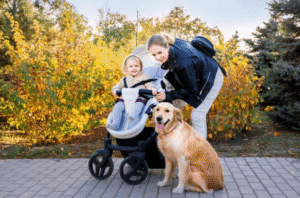
A friendly-looking Golden Retriever or Labrador sitting on leash beside a baby stroller with a parent nearby, set in a recognizable Boise park

Welcoming a new baby into your home is an exciting time — and the key is to prepare your dog ahead of arrival. If you’re looking for Boise dog training for new baby, these ten tips will give you a clear plan to help your four‑legged friend adjust smoothly before your little one comes home. To learn more, visit our About Us page.

1. Boise Dog Training Basics to Reinforce Before Baby Arrives

Before the baby arrives, be sure to reinforce essentials like “go,” “place,” and calm settling. As a result, your dog will better handle new dynamics in the home.

2. Desensitize with Baby Sounds in Boise Dog Training

To begin with, play recordings of baby noises at a low volume. Over time, increase the volume while your dog remains calm. Consequently, your dog will start getting used to unfamiliar sounds.

3. Baby-Proofing Tips for Dog Owners in Boise

As you bring in items like strollers and cribs, let your dog sniff and explore them. However, be clear about boundaries—no chewing baby toys or entering the nursery unsupervised.

4. Create a Safe Space During Boise Dog Training for New Baby

Even with excitement in the house, your dog needs a retreat. Therefore, a crate or designated bed becomes a comforting spot. In addition, this safe zone helps reduce anxiety.

5. Change Up the Routine

Since routines will shift once the baby arrives, begin adjusting walk times, feeding schedules, and play sessions now. That way, your dog can adapt gradually with less stress.

6. Use Baby‑Scented Items

For example, you can bring home a baby blanket or onesie before the baby arrives. Then, let your dog sniff it under supervision. This familiar scent helps your dog adjust more easily.

7. Practice Parenting Movements

Carry a doll wrapped in a blanket, and simulate movements like rocking or feeding. Meanwhile, have your dog practice staying calm nearby. Eventually, your dog will get used to your changed body language.

8. Exposure Around Children

If possible, safely introduce your dog to well-behaved children. As a result, they will become more comfortable with quick movements, unexpected noises, and shifting energy levels.

9. Keep the Arrival Calm and Neutral

On the day your baby comes home, make sure the environment is calm and controlled. Allow your dog to observe from a distance at first. Afterward, reward quiet, curious behavior.

10. Never Leave Dog and Baby Alone

Even if your dog is trustworthy, you should never leave them alone with the baby. Above all, supervision keeps everyone safe and reinforces that the baby’s space is respected. For additional tips, visit this AKC expert guide.

Embrace the Journey Ahead

Ultimately, preparing your dog for a new baby isn’t about perfection—it’s about consistency, patience, and love. With thoughtful training and a few adjustments, your home in the Boise area can become a calm, safe, and joyful space for both dog and baby.

Ready to see real results? Board & Train and get your dog on the path to success.

Need help from a local expert? Contact Us today to talk about your dog’s needs.


Frequently Asked Questions

How soon should I start training my dog before the baby arrives?
Begin at least 1–2 months before your due date. This gives your dog time to adjust gradually to new routines, sounds, and boundaries.

What baby items should I introduce my dog to in advance?
Start with cribs, strollers, toys, swings, and baby sounds. Let your dog sniff these while reinforcing calm behavior.

Should I change my dog’s daily routine now or after the baby arrives?
Adjust the routine before the baby arrives. Gradual changes help reduce stress and create stability.

What if my dog becomes jealous or anxious around the baby?
Give your dog structured time, rewards for calm behavior, and a designated safe space. If issues persist, consider professional Board & Train.

Can I include my dog in baby bonding activities?
Yes, when done safely. Include your dog in walks with the stroller or let them sit near during feedings—always supervised and calm.

Dog on leash with trainer at Boise park

If you’re looking into Boise dog training timeline, the sooner you begin with your new dog, the better. Whether you have a puppy, an adolescent, or an adult dog, starting training sets the groundwork for a well‑behaved companion.

Why Understanding Your Boise Dog Training Timeline Matters

When you start early, you’re laying the foundation for smooth behavior, stronger bond, and fewer problems later. It’s not just about teaching “sit” and “stay”—it’s about shaping how your dog behaves around people, places, and experiences.

Understanding your Boise dog training timeline helps you set realistic expectations and choose the right starting point for your dog.

Learn more about our About Us and our philosophy on proactive training.

Puppy Stage in the Boise Dog Training Timeline: The Ideal Window

The puppy stage (roughly 8–16 weeks) is the prime time to kick off training. Puppies at that age learn quickly and absorb new experiences.

  • Introduce basic commands like “sit,” “stay,” and “come.”

  • Socialisation is key: exposing the puppy to different people, animals and environments during the 3‑14 week window helps build confidence.

  • Short, calm, neutral experiences are more effective than long, chaotic ones.

For more insights, check out the AKC’s guide to puppy training.

Adolescent Dogs: It’s Not Too Late

If you missed the early window, don’t worry. Training can still begin when your dog is between 6 months and 2 years.

However:

  • Hormonal changes and increased independence may make this phase trickier.

  • Consistency and patience become even more important.

  • With the right approach, this stage is a second chance to build good habits.

Explore more training tips and resources from experts at the American Kennel Club.

Adult Dog Training in Boise: Why It’s Never Too Late

Training adult dogs is absolutely worthwhile. Whether your dog is a rescue or simply never had formal training, you can still make big improvements.

For adult dogs:

  • The focus may shift more toward un‑learning bad habits rather than first‑time commands.

  • A personalised plan from a trainer can really help.

Have questions? Contact Us to see how we can help.

The Big Benefits of Starting Early

Here are some major perks:

  • Improved behavior: Less chance of issues developing later.

  • Stronger bond: Shared learning leads to better trust and communication.

  • Safety: A well‑trained dog is easier to manage in public, at parks, on walks.

Final Thoughts

Your dog’s training journey begins the moment you bring them home. Whether you’re in Boise with a curious puppy or a mature dog needing guidance, there’s a program and approach for you. The earlier you start, the smoother the path ahead.

Ready to see real results? Board & Train and get your dog on the path to success.


FAQ

Q: What age should I start training my dog?
A: Training can begin as early as 8 weeks for puppies, but even adolescent or adult dogs benefit from starting now.

Q: What if I missed the puppy socialisation window?
A: No problem. If your dog is older, you can still start training. It may take more patience, but success is definitely possible.

Q: How long will it take to see results?
A: Results vary by dog and consistency of training. With regular sessions and reinforcement, many owners see improved behavior in weeks.

Q: Do I need to hire a professional trainer?
A: It depends. Many owners benefit from expert guidance—especially for adolescent or adult dogs with existing habits. A trainer can customize a plan for your dog’s needs.

Young puppy walking on leash with trainer at Boise park during foundation training

Your puppy’s early training sets the tone for every stage of life, and that’s true for Boise puppy training foundation too. If you’re welcoming a new pup in the Boise area, now’s the time to start strong—with routines, consistency, and real skill building. Learn more about us and our local training programs.

Why a Boise Puppy Training Foundation Matters

When your puppy is first exploring the world, they’re full of curiosity… and chaos sometimes. However, instead of waiting for problems to pop up, starting early means you can shape behaviors, build trust, and set the stage for success.
For example: a pup who learns calm behavior around people and dogs is far less likely to develop anxiety later.

Core Puppy Training Skills to Build a Strong Foundation

Here are the essentials that form the pillar of your puppy’s good behavior and link directly into your Boise puppy training foundation:

  • Crate training — gives your pup a safe space and helps with housebreaking.
  • Housebreaking — consistency here prevents ongoing messes and frustration.
  • Calm around people and dogs — so your dog is comfortable in our local parks, meet‑ups, and events.
  • Confidence in new environments — Boise offers many adventures… your pup should be ready.
  • Reliable recall (coming when called) — essential for safety and freedom.
  • Walking on leash without pulling — a basic courtesy in the city and nature alike.
  • Accepting grooming and handling — makes vet visits and social time easier.

Want expert tips on essential skills? Teach your puppy these 5 basic commands from the AKC.

How We Build a Puppy Training Foundation in Boise

Through our training approach we emphasize:

  • Clear communication and mutual understanding, not just obedience.
  • Consistency and meaningful rewards rather than fear or harsh methods.
  • Partnership with you, the owner, so you and your pup succeed together.
    This kind of foundation supports your dog’s long‑term well‑being and helps avoid fear‑based behaviors or anxious reactions later.

Trusted Puppy Trainers in Boise for Lasting Success

Whether this is your first puppy or your fifth, our team is ready. We believe every dog brings something special—and every family deserves a well‑behaved companion.
With the right training focus, your puppy will grow into a respectful, reliable adult dog ready for life in and around Boise.

Ready to see real results? Board & Train and get your dog on the path to success.

Have questions or want to start training? Contact Us today!


FAQ

Q1: At what age should I start the Boise puppy training foundation program?
A1: You can start as early as when your puppy is safely vaccinated and active, typically around 8–16 weeks. Starting early helps build good habits before unwanted ones take hold.

Q2: How often should I train with my puppy to build a strong foundation?
A2: Short, consistent sessions (5–10 minutes, several times a day) work best. Repetition and positive reinforcement are key in maintaining momentum and retention.

Q3: Can we do this training at home or do we need to come into a facility?
A3: A large part of the training happens at home or in your daily routines to reinforce real‑life behaviors. A facility or professional support helps accelerate progress and ensure consistency.

Q4: What makes the foundation different from advanced training later on?
A4: The foundation focuses on basic habits, confidence, and trust—things like walking nicely, recall, calm around other dogs, handling. Advanced training builds on that with more complex skills and distractions.