


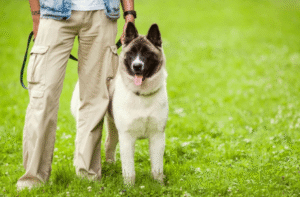
If you’re looking into Boise dog training timeline, the sooner you begin with your new dog, the better. Whether you have a puppy, an adolescent, or an adult dog, starting training sets the groundwork for a well‑behaved companion.
Why Understanding Your Boise Dog Training Timeline Matters
When you start early, you’re laying the foundation for smooth behavior, stronger bond, and fewer problems later. It’s not just about teaching “sit” and “stay”—it’s about shaping how your dog behaves around people, places, and experiences.
Understanding your Boise dog training timeline helps you set realistic expectations and choose the right starting point for your dog.
Learn more about our About Us and our philosophy on proactive training.
Puppy Stage in the Boise Dog Training Timeline: The Ideal Window
The puppy stage (roughly 8–16 weeks) is the prime time to kick off training. Puppies at that age learn quickly and absorb new experiences.
-
Introduce basic commands like “sit,” “stay,” and “come.”
-
Socialisation is key: exposing the puppy to different people, animals and environments during the 3‑14 week window helps build confidence.
-
Short, calm, neutral experiences are more effective than long, chaotic ones.
For more insights, check out the AKC’s guide to puppy training.
Adolescent Dogs: It’s Not Too Late
If you missed the early window, don’t worry. Training can still begin when your dog is between 6 months and 2 years.
However:
-
Hormonal changes and increased independence may make this phase trickier.
-
Consistency and patience become even more important.
-
With the right approach, this stage is a second chance to build good habits.
Explore more training tips and resources from experts at the American Kennel Club.
Adult Dog Training in Boise: Why It’s Never Too Late
Training adult dogs is absolutely worthwhile. Whether your dog is a rescue or simply never had formal training, you can still make big improvements.
For adult dogs:
-
The focus may shift more toward un‑learning bad habits rather than first‑time commands.
-
A personalised plan from a trainer can really help.
Have questions? Contact Us to see how we can help.
The Big Benefits of Starting Early
Here are some major perks:
-
Improved behavior: Less chance of issues developing later.
-
Stronger bond: Shared learning leads to better trust and communication.
-
Safety: A well‑trained dog is easier to manage in public, at parks, on walks.
Final Thoughts
Your dog’s training journey begins the moment you bring them home. Whether you’re in Boise with a curious puppy or a mature dog needing guidance, there’s a program and approach for you. The earlier you start, the smoother the path ahead.
Ready to see real results? Board & Train and get your dog on the path to success.
FAQ
Q: What age should I start training my dog?
A: Training can begin as early as 8 weeks for puppies, but even adolescent or adult dogs benefit from starting now.
Q: What if I missed the puppy socialisation window?
A: No problem. If your dog is older, you can still start training. It may take more patience, but success is definitely possible.
Q: How long will it take to see results?
A: Results vary by dog and consistency of training. With regular sessions and reinforcement, many owners see improved behavior in weeks.
Q: Do I need to hire a professional trainer?
A: It depends. Many owners benefit from expert guidance—especially for adolescent or adult dogs with existing habits. A trainer can customize a plan for your dog’s needs.