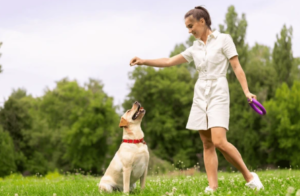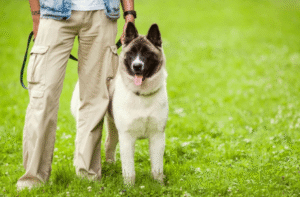


German Shepherd in holiday bandana sitting near Christmas tree and gifts at Boise training facility

The holidays are a joyful time; however, they can also challenge your dog’s behavior. That’s why consistent Boise holiday dog training is essential to keep your pup calm, polite, and stress-free—even when things get festive.

Why Boise Holiday Dog Training Matters During the Holidays

During the holidays, chaos often takes over with new scents, noisy guests, tempting food, and schedule changes. As a result, even well-behaved dogs may struggle. Thankfully, Boise holiday dog training offers structure when your dog needs it most.

Here’s why holiday training is crucial:

  • First, it reinforces your dog’s obedience during high-stress moments

  • In addition, it reduces anxiety caused by disrupted routines

  • Moreover, it helps your dog behave better around guests and children

  • Lastly, it prevents food theft, jumping, and door dashing

Ultimately, training gives your dog confidence, clarity, and comfort.

Daily Boise Holiday Obedience: Keep Up with the Basics

Even if you’re busy with shopping or hosting, make time for training. Ideally, spend at least 10 minutes a day on Boise holiday dog training to keep behavior sharp.

Be sure to focus on:

  • For starters, use Sit and Stay when guests arrive at the door

  • Next, practice Leave it for holiday foods and décor

  • Lastly, reinforce Place to help your dog relax on command

Although routines may shift, dogs thrive on consistency. Therefore, Boise holiday dog training is key to keeping your pup balanced.

How to Create Calm With Boise Holiday Dog Behavior Training

Before your holiday event begins, it’s smart to burn off your dog’s extra energy. For example, take a brisk walk in the Boise Foothills or play fetch to help them settle.

Additionally, offer a frozen Kong, puzzle toy, or short training session. Consequently, your dog will be less likely to jump, bark, or act out when guests arrive.

Holiday Dog Obedience Tips for Decorations and Food

Holiday decorations and rich foods can be dangerous distractions. That’s why proactive Boise holiday dog training is critical.

Train your dog to:

  • First, avoid the Christmas tree or dining area with a strong “Leave it”

  • Then, walk calmly past décor during leash sessions

  • Also, stay behind a baby gate while you cook or entertain

Equally important, inform your guests about what your dog should and shouldn’t do. For additional tips, see this AKC holiday training guide.

Traveling With Your Dog? Use Boise Holiday Training Techniques

If you’re traveling around Idaho or hosting visitors, don’t let training fall apart. Instead, prepare your dog in advance.

Try this:

  • First, do short car trips to ease travel stress

  • Second, reinforce crate training for safety and comfort

  • Third, bring familiar items like toys or blankets to help your dog settle

When your schedule gets hectic, consider our Board & Train program to maintain consistent progress.

Stick to a Schedule (Even If You’re Off One)

Although the holiday season can disrupt routines, your dog still needs structure. Therefore, keep feeding, walking, and training times as consistent as possible.

Even a small amount of routine can go a long way. Above all, Boise holiday dog training reinforces structure, even when life gets busy.


Ready to see real results? Board & Train and get your dog on the path to success. Contact Us to get started today.


FAQ

What’s the best way to prepare my dog for holiday guests?
To begin, reinforce calm behaviors like “Sit” and “Place.” Additionally, create a quiet zone where your dog can relax.

Can I still train my dog during holiday travel?
Absolutely. Just keep sessions short and familiar. Moreover, reward your dog for staying focused in new environments.

What should I do if my dog steals food during the holidays?
Use the “Leave it” command regularly. Also, manage the environment to prevent temptation.

Is it too late to start holiday training?
Not at all! In fact, even a few sessions of Boise holiday dog training can make a big difference.

Should I board my dog over the holidays?
If you’re overwhelmed, a structured Board & Train program is a great option to maintain progress.
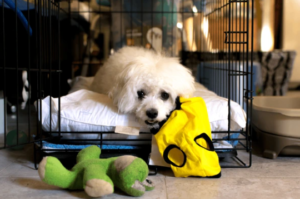

Happy dog crate training in Boise living room

Boise Dog Crate Training: What It Is and Why It Matters

Crate training Boise dogs is one of the most effective ways to create a peaceful home and a confident, happy pet. When introduced the right way, a crate becomes your pup’s safe haven—a place where they can relax, unwind, and feel secure. As a result, crates help dogs learn boundaries, ease anxiety, and fit into your home routine with confidence.

In fact, a well‑implemented crate routine supports:

  • Calm behavior whether you’re home or away

  • Easier housebreaking, especially for puppies

  • Reduced destructive habits throughout the day

  • Better sleep patterns at night

  • Safe structure for travel, vet visits, or new environments

How to Make the Crate a Safe, Comfortable Space

Creating a Positive Crate Environment for Boise Dogs

To begin with, the secret to success is using positive, not punitive crate training techniques.

Here’s how to start:

  • First, place treats or your dog’s favorite toy inside

  • Next, keep the crate door open so your dog can explore freely

  • Then, feed meals inside the crate to create a strong, happy association

Over time, these gentle steps help your dog see the crate as a place they choose to be—rather than something they’re forced into.

Step-by-Step Crate Training for Dogs in Boise Homes

To encourage relaxation, make the crate as inviting as possible by adding:

  • A soft blanket or comfortable dog bed

  • A durable chew toy or safe comfort item

  • A quiet location where your dog still feels part of the family setting

Above all, comfort is key—especially for dogs who may feel nervous in confined spaces.

For best results, follow this gradual, rewarding process:

  1. Explore First: Initially, let your dog sniff and enter the crate at their own pace.

  2. Use Treats & Praise: As they enter voluntarily, reward them with treats and gentle praise.

  3. Short Sessions: At first, keep crate time brief, and then slowly increase the duration.

  4. Add Mealtime: Eventually, feeding meals inside the crate will reinforce positive feelings.

  5. Close Door Briefly: Once your dog is relaxed inside, close the door for short, peaceful intervals.

  6. Increase Routine: Gradually add crate time throughout your dog’s daily schedule to build comfort.

For additional expert tips, check out the AKC crate training guide.

By staying consistent and patient, you’ll make the crate a predictable, reassuring space your dog looks forward to.

Common Crate Training Mistakes Boise Dog Owners Should Avoid

Even with the best intentions, avoid these common missteps to ensure your dog’s success:

  • Using the crate as punishment — This can create fear instead of comfort

  • Rushing the introduction — If you close the door too soon, your dog may resist the crate

  • Leaving your dog crated too long — Dogs need regular movement, interaction, and stimulation

Ultimately, the goal is a peaceful home where the crate feels like a home base—not a place of isolation.

Why Crate Training Works for Puppies and Adult Dogs in Boise

Whether you’re working with a brand-new puppy or an adopted adult dog, it’s never too late to introduce crate training.

With the right methods, dogs of all ages can:

  • Quickly feel secure in a new daily routine

  • Effectively manage separation anxiety

  • Comfortably enjoy rest time when life gets busy


Get Help Crate Training Your Dog in Boise with Our Expert Trainers

At All Dogs Unleashed Boise, we carefully build crate training into a well-rounded plan that fits your dog’s lifestyle and personality. In addition to the basics, we help you with setup, schedule, and long‑term success.

If you’re ready for expert help, check out our Board & Train program or Contact Us to get started.


FAQ

Q: Is crate training dogs in Boise effective for all breeds?
A: Yes. Crate training works well for all breeds when introduced positively and with patience. Every dog can learn to love their crate as a safe space.

Q: How long does it take to crate train a dog in Boise?
A: Most dogs adjust within 1–3 weeks, but timing depends on age, temperament, and consistency. Puppies may adapt faster with daily routine and structure.

Q: Should I crate train my dog at night?
A: Yes. Crating your dog at night can help with sleep routines and house training. Just make sure the crate is comfortable and nearby for reassurance.

Q: Can professional trainers help with crate training in Boise?
A: Absolutely. Our Board & Train program includes expert crate training support tailored to your dog’s needs.

Q: What if my dog cries in the crate?
A: Some dogs cry early on. Avoid letting them out immediately to prevent reinforcing the behavior. Instead, use calming routines, treats, and gradual desensitization.

Dog calmly walking with owner in busy Boise park during behavior training

Learning how to help your pup stay focused outside your front door is part of Boise dog public behavior training. For many dog owners, a calm, well‑mannered pup at home turns into a distracted mess in public. However, that’s not stubbornness — it’s context‑specific behavior. Fortunately, this can be addressed with the right experience and dog behavior training in public.


Why Dogs Need Behavior Training in Public Spaces

Dogs don’t instinctively apply lessons learned in one environment to another. At home, your dog may sit, stay, and walk politely because the space is familiar and predictable. However, when you change the environment — whether it’s a busy Boise trail, downtown sidewalk, or pet‑friendly patio — everything feels new again. As a result, your dog faces a flood of sights, smells, and sounds that can overwhelm their focus. (AKC.org)

How Public Environments Impact Dog Behavior

  • Distractions: Other dogs, people, and noises compete for your dog’s attention.

  • Safety Zones: At home, dogs feel secure and relaxed. In contrast, public spaces can make them feel alert and defensive.

  • Stimulus Overload: New locations offer more to see, hear, and smell. Consequently, your dog may not respond to familiar commands. (betterpet.com)

Why Dog Behavior Training in Public Is Often Inconsistent

Lack of Generalization

Most dogs associate cues like “sit” and “stay” with the home environment where they were first taught. Because of this, they may not understand those same cues apply in new places.

How Inconsistent Dog Training Affects Public Behavior

Training done only in your house doesn’t prepare your dog for real‑world situations. Without exposure, they don’t learn to listen when the environment changes.
In fact, without consistent dog behavior training in public, even well‑trained dogs may ignore commands once they’re outside the home.

For more insight on common issues like this, check out this helpful ASPCA guide on dog behavior problems.

Anxiety or Excitement

New places can raise a dog’s energy or stress levels. Some dogs, for instance, become overexcited. Others, however, may feel anxious. Either way, these emotional changes can lead to behavior that seems out of character.

Building Confidence Through Dog Behavior Training in Public

Practice Beyond Home

First, begin in quiet outdoor spots like calm parks. Then, slowly introduce more distracting environments like trails or patios. This way, your dog builds focus at every level.

Dog Behavior Training in Public Should Happen Everywhere

For long-term success, teach commands like “come,” “sit,” and “leave it” in multiple locations. That way, your dog understands they apply everywhere — not just at home.

Reward Focus

Additionally, use high‑value treats or enthusiastic praise. This positive reinforcement tells your dog that good behavior always pays off — even in public.

How Boise Training Supports Dog Behavior in Public

Boise is full of dog‑friendly parks, patios, and trails. However, these fun spots are also packed with distractions. Because of this, structured training is key.
Our programs are designed to make dog behavior training in public simple, practical, and effective — no matter your dog’s age or breed.

When Training Is Tough

If progress stalls, don’t worry. In that case, working with a professional can make all the difference. Programs like Board & Train offer immersive training that builds consistency fast.


Want More Support?

Whether you’re starting fresh or just need a tune‑up, we’ve got your back. Our customized Puppy Training and adult dog programs are built for real‑life results.

In addition, we offer one‑on‑one guidance to fit your dog’s personality and behavior goals. Have questions? Contact Us — we’re ready to help.


FAQ

Q: Why does my dog ignore me more in public than at home?
A: Dogs learn behaviors in specific settings. So, without consistent practice in public, they may not generalize obedience cues outside the home environment.

Q: Can a shy or anxious dog improve their public behavior?
A: Yes — through gradual exposure, confidence building, and positive reinforcement. Eventually, public behavior becomes more reliable.

Q: How long does it take for a dog to generalize training?
A: Every dog is different. However, with consistent practice in different settings, progress comes faster.

Q: Do real‑world distractions really make that big a difference?
A: Absolutely. In fact, unfamiliar sights and smells often compete with your commands unless your dog is trained to handle them.

Q: Should I work with a trainer if public behavior doesn’t improve?
A: Yes. Often, professional trainers spot patterns and apply solutions more quickly. That’s why structured help can save you time and frustration.

Boise dog on leash during training session at park

Struggling with your dog’s behavior at home or in public? Our Boise obedience training for dogs helps eliminate bad habits and builds calm, reliable behavior fast. Whether your pup pulls on the leash, jumps on guests, or won’t listen to commands, professional training gives you lasting solutions and a stronger bond with your dog.


Why Boise Obedience Training for Dogs Makes a Big Difference

Obedience Training in Boise Helps Keep Your Dog Safe

A well-trained dog is less likely to run into traffic, chase wildlife, or get into danger. Because of this, obedience commands like come, stay, and leave it are more than tricks—they’re lifesaving skills. As a result, you and your dog can enjoy more freedom with less stress. Additionally, dogs trained in safety commands are less likely to cause stress or accidents during daily activities.

Why Professional Dog Training in Boise Gets Faster Results

Training your dog on your own can be frustrating and slow. However, experienced trainers know how to read your dog and adjust techniques to fit their personality. That’s why progress is faster and more consistent with professional help. Meanwhile, you’ll have peace of mind knowing you’re getting professional support every step of the way.

How Boise Dog Obedience Classes Improve Behavior

If your dog:

  • Jumps on people

  • Pulls on walks

  • Barks excessively

  • Reacts aggressively or fearfully

…professional training can help. These behaviors often stem from anxiety or lack of structure. A trainer will guide you through solutions that don’t just mask the issue—they fix it. In fact, this ASPCA resource outlines how professional help leads to lasting behavior change. Even so, consistent structure and daily follow-through are essential to long-term success.

Building Confidence Through Boise Obedience Training for Dogs

Many dogs struggle in public settings like parks or trails. For example, some may bark or freeze around other dogs. Fortunately, training in real-world environments helps your dog get comfortable with distractions. As a result, outings at the Boise Greenbelt or Ann Morrison Park become more relaxed and enjoyable. Not only that, your dog will learn to handle unexpected situations with calm, focused behavior.

Strengthening Your Bond With Dog Obedience Training

Training isn’t just about obedience—it’s about communication. When your dog understands you, and you understand them, trust builds naturally. Because of this, routines like walking, feeding, or playtime become more peaceful and rewarding.


Choosing the Right Boise Obedience Training Option

In‑Home Dog Obedience Programs in Boise

If your dog is most comfortable at home, in-home training is a great fit. This option focuses on teaching obedience and manners right where your dog lives, making it highly effective. Plus, you’ll see real-life results in your everyday environment.

Board & Train: Structured Dog Training in Boise

If your dog needs more structure or struggles with serious behavior issues, Board & Train may be the best route. In this program, your dog lives and trains with professionals every day. As a result, transformation happens faster and more consistently.

Group Dog Training Classes in Boise for Long-Term Success

Many training programs include lifetime access to group classes. In addition, these sessions reinforce what your dog has learned and build strong social skills. This continued training keeps your dog sharp and well-behaved long after the initial program ends.

Tips to Maximize Your Boise Obedience Training for Dogs

  • Be consistent: Use the same commands and expectations at home.

  • Reward good behavior: Praise and treats go a long way. This encourages your dog to repeat those behaviors.

  • Practice daily: Short, focused sessions are better than long ones—especially when reinforcing your Boise obedience training for dogs at home.

  • Stay patient: Learning takes time. However, every small win counts and leads to lasting results.

  • Therefore, keep your training sessions short and positive to encourage progress.

Related Training Options in Boise

Starting with a young pup? Check out our Puppy Training to build good habits early.

Want lasting transformation? Explore Board & Train to accelerate results with professional structure.

Have questions? Contact Us to learn which training option is right for your dog.


FAQs

Q: Are Boise dog training classes worth it?
A: Absolutely! In fact, training builds better behavior, safety, and stronger communication between you and your dog.

Q: Can training help with aggression or fear?
A: Yes. In many cases, dogs with anxiety or reactivity improve dramatically with structured, professional help.

Q: Is my dog too old to learn?
A: Never. As long as you’re consistent, dogs of any age can learn new behaviors.

Q: How long does it take to see results?
A: Many dogs show improvement within 2–4 weeks. However, consistency is key to long-term success.

Q: What’s the difference between in-home and Board & Train?
A: In-home training happens in your dog’s everyday space. On the other hand, Board & Train offers 24/7 structure for more intensive results.

Dog on leash with trainer at Boise park

If you’re looking into Boise dog training timeline, the sooner you begin with your new dog, the better. Whether you have a puppy, an adolescent, or an adult dog, starting training sets the groundwork for a well‑behaved companion.

Why Understanding Your Boise Dog Training Timeline Matters

When you start early, you’re laying the foundation for smooth behavior, stronger bond, and fewer problems later. It’s not just about teaching “sit” and “stay”—it’s about shaping how your dog behaves around people, places, and experiences.

Understanding your Boise dog training timeline helps you set realistic expectations and choose the right starting point for your dog.

Learn more about our About Us and our philosophy on proactive training.

Puppy Stage in the Boise Dog Training Timeline: The Ideal Window

The puppy stage (roughly 8–16 weeks) is the prime time to kick off training. Puppies at that age learn quickly and absorb new experiences.

  • Introduce basic commands like “sit,” “stay,” and “come.”

  • Socialisation is key: exposing the puppy to different people, animals and environments during the 3‑14 week window helps build confidence.

  • Short, calm, neutral experiences are more effective than long, chaotic ones.

For more insights, check out the AKC’s guide to puppy training.

Adolescent Dogs: It’s Not Too Late

If you missed the early window, don’t worry. Training can still begin when your dog is between 6 months and 2 years.

However:

  • Hormonal changes and increased independence may make this phase trickier.

  • Consistency and patience become even more important.

  • With the right approach, this stage is a second chance to build good habits.

Explore more training tips and resources from experts at the American Kennel Club.

Adult Dog Training in Boise: Why It’s Never Too Late

Training adult dogs is absolutely worthwhile. Whether your dog is a rescue or simply never had formal training, you can still make big improvements.

For adult dogs:

  • The focus may shift more toward un‑learning bad habits rather than first‑time commands.

  • A personalised plan from a trainer can really help.

Have questions? Contact Us to see how we can help.

The Big Benefits of Starting Early

Here are some major perks:

  • Improved behavior: Less chance of issues developing later.

  • Stronger bond: Shared learning leads to better trust and communication.

  • Safety: A well‑trained dog is easier to manage in public, at parks, on walks.

Final Thoughts

Your dog’s training journey begins the moment you bring them home. Whether you’re in Boise with a curious puppy or a mature dog needing guidance, there’s a program and approach for you. The earlier you start, the smoother the path ahead.

Ready to see real results? Board & Train and get your dog on the path to success.


FAQ

Q: What age should I start training my dog?
A: Training can begin as early as 8 weeks for puppies, but even adolescent or adult dogs benefit from starting now.

Q: What if I missed the puppy socialisation window?
A: No problem. If your dog is older, you can still start training. It may take more patience, but success is definitely possible.

Q: How long will it take to see results?
A: Results vary by dog and consistency of training. With regular sessions and reinforcement, many owners see improved behavior in weeks.

Q: Do I need to hire a professional trainer?
A: It depends. Many owners benefit from expert guidance—especially for adolescent or adult dogs with existing habits. A trainer can customize a plan for your dog’s needs.