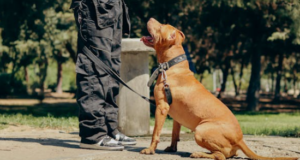


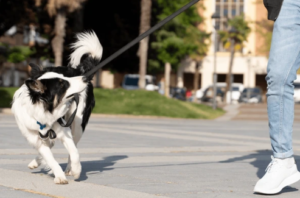
Dog lunging on leash during walk in downtown Boise

Boise leash reactivity training is more important than most dog owners realize. For example, many pups seem calm at home but turn into a barking, lunging ball of energy once the leash goes on. As a result, daily walks become stressful rather than enjoyable. If that sounds familiar, you’re not alone — leash reactivity is one of the most misunderstood behavior issues in Boise.

What Is Leash Reactivity in Dogs?

Leash reactivity happens when a dog overreacts to a trigger while on a leash — such as other dogs, people, or even cars. Typically, it can look like:

  • Barking or growling
  • Lunging or pulling
  • Whining or freezing
  • Tail tucking or hackles raised

These behaviors are often rooted in fear, frustration, or a lack of socialization. However, unlike off-leash interactions, dogs on a leash feel trapped, which can dramatically increase their stress.

Why Boise Dogs Need Leash Reactivity Training

In Boise, we love our outdoor lifestyle — and that means your dog encounters a variety of triggers on every walk. Because of that, even a short stroll can feel overwhelming for an under-socialized or untrained pup. For instance, crowded trails, cyclists, and other dogs behind fences can quickly raise anxiety levels.

Key local factors include:

  • Close proximity to other dogs in parks like Ann Morrison Park or the Boise Greenbelt
  • High foot traffic in Boise’s popular dog-friendly areas
  • Owners unknowingly reinforcing bad habits by pulling the leash or reacting nervously

As a result, your dog starts to associate walks with conflict or overstimulation. Therefore, the behavior worsens over time if not addressed properly.

Common Causes of Leash Reactivity in Boise Dogs

Leash reactivity isn’t about dominance or control. Instead, it’s usually a stress response that builds over time. Let’s look at a few common causes:

  • Frustration: Your dog wants to interact but can’t, which builds tension.
  • Fear or anxiety: Often caused by a traumatic event or lack of proper socialization.
  • Learned behavior: When reactivity “works,” your dog repeats it.
  • Inconsistent training: Without a clear structure, dogs struggle to make good decisions under pressure.
  • For a deeper understanding, check out this AKC article on leash aggression. It breaks down the psychology behind leash-based behaviors.

Boise Leash Reactivity Training: How to Fix the Problem

Thankfully, leash reactivity can be improved with the right plan. However, it’s not just about stopping barking — it’s about replacing bad habits with calm, confident behavior. That’s why a structured program like Board & Train can provide the consistency and clarity your dog needs.

Proven Techniques for Reactive Dog Training

Here’s what works best:

  • Neutral exposure: Gradually introducing triggers in a controlled, positive way
  • Clear commands: Teaching your dog exactly what to do in stressful situations
  • Desensitization: Slowly reducing reactivity by creating new associations
  • Owner training: Showing you how to read your dog’s body language and intervene calmly

If you’re starting with a puppy, Puppy Training is essential. Early socialization and structure can prevent reactivity before it starts. In fact, many leash problems are completely avoidable with proper puppy guidance.

With professional Boise leash reactivity training, your walks can become calm, controlled, and enjoyable again. Even if your dog has been reactive for years, improvement is possible with the right tools.

Signs You Need Professional Dog Leash Behavior Training

Not all dogs need professional help — but some clearly do. For example, if your dog is pulling to the point of choking or lunging unpredictably, it’s time to bring in a pro. In many cases, experienced trainers can resolve behaviors faster and more safely than DIY methods.

You should consider help if:

  • Your dog’s reactivity is getting worse over time
  • You’ve tried online tips but nothing is improving
  • You feel anxious every time you grab the leash
  • Your dog’s outbursts are putting others at risk

Because your relationship with your dog matters, investing in expert help can make a life-changing difference. Therefore, if you’re ready to regain control and peace of mind, Contact Us today.


FAQ

What is leash reactivity in dogs?
Leash reactivity is when a dog overreacts to triggers like people, dogs, or bikes while on a leash. It often looks like barking or lunging.

Why is leash reactivity common in Boise?
Because Boise is full of dog-friendly spaces, pups are exposed to more triggers than in quieter areas. Without training, that can lead to overstimulation.

Can leash reactivity be cured?
Yes. While it takes time and consistency, leash reactivity can be significantly reduced — or even eliminated — with the right training.

Is a Board & Train program good for leash reactive dogs?
Absolutely. A Board & Train provides focused, immersive training that helps dogs reset and relearn calm behaviors.

Can puppy training prevent leash reactivity?
Yes — starting with Puppy Training lays the groundwork for confident leash behavior and reduces future problems.
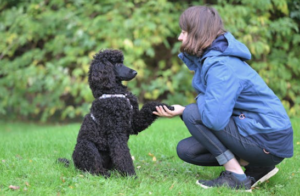
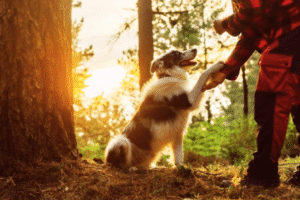
Boise dog trainer teaching a black poodle to shake paw during obedience session in grassy park

Boise dog training psychology is the key to teaching your dog more effectively. By understanding how dogs think, you’ll see faster results, better obedience, and a stronger bond. Whether you’re working on basic manners or serious behavior issues, psychology-backed methods make a big difference.

Understanding Dog Psychology in Boise Training

Dog training psychology focuses on how dogs learn, process information, and respond to cues. When you work with your dog’s mind instead of against it, training becomes smoother and more rewarding for both of you.

Dog Psychology Basics That Shape Training Success

Dogs primarily learn through:

  • Classical Conditioning – This is where dogs form associations. For example, they may hear a leash jingle and expect a walk.

  • Operant Conditioning – This method teaches dogs based on consequences. As a result, behaviors that are rewarded tend to repeat.

Understanding these models is essential for any dog owner serious about improving their training results.

Why Psychology Improves Training Results

When you use a mindset rooted in canine psychology, your training becomes clearer and more consistent. As a result, your dog learns faster and with less stress.

Benefits of Psychology‑Based Dog Training Methods

  • Stronger communication between you and your dog

  • Better results with positive reinforcement

  • Long-lasting behavior changes through habit-building

In addition, training becomes more enjoyable when you understand what motivates your dog.

How Boise Dogs Learn Using Dog Training Psychology

Reward‑Based Dog Training and Canine Motivation

Dogs in Boise thrive on positive reinforcement. For example, using treats, praise, or toys after a desired behavior reinforces obedience and builds confidence.

Consistency and Timing in Dog Learning Psychology

Your dog needs to hear the same command each time. However, if you vary your tone or words, your dog may get confused. Therefore, keep your cues short and simple.

Immediately rewarding or correcting your dog is essential. Dogs connect actions to outcomes within seconds. Delayed feedback reduces the effectiveness of your training.

The AKC also recommends consistency and timing in training.

Common Dog Behavior Mistakes That Ignore Training Psychology

Even with the best intentions, Boise dog owners sometimes make these avoidable mistakes:

  • Using punishment before teaching what’s right

  • Expecting dogs to behave “just because”

  • Changing rules or commands too often

  • Lacking structure and repetition

However, when you focus on how your dog actually learns, many of these issues disappear.

Applying Dog Training Psychology in Real‑Life Boise Homes

Step‑by‑Step Dog Behavior Training at Home

Begin with basic commands like sit and stay. Once your dog masters those, gradually add distractions or new locations. This step-by-step approach is more effective than rushing.

When Professional Boise Dog Training Psychology Helps Most

Dogs learn best in 5–10 minute sessions. Keep it fun, rewarding, and clear. In addition, end on a win to boost your dog’s confidence.

If you’re struggling or want faster results, our Boise-based Board & Train program uses proven psychology-based methods tailored to your dog’s behavior and personality.

Expert Boise Dog Training Psychology at All Dogs Unleashed

At All Dogs Unleashed Boise, we apply modern dog training psychology to real-life situations. Whether you’re dealing with stubborn behavior or want to start your puppy off right, we’re here to help.

Ready to see real results? Board & Train and get your dog on the path to success. Contact Us to schedule your consultation.


FAQs

Q: What is dog training psychology?
A: It’s a science-based approach to understanding how dogs learn, using rewards, consistency, and timing to teach effectively.

Q: Why does my dog respond better to some methods?
A: Dogs learn through positive associations. When training fits their learning style, they respond faster and more reliably.

Q: Can I use dog psychology at home?
A: Absolutely. With consistent cues, rewards, and timing, any Boise dog owner can apply training psychology for better behavior.

Q: Does punishment work in training?
A: Harsh punishment often creates fear and confusion. Positive methods build trust and long-term obedience.

Q: When should I get professional help?
A: If your dog isn’t progressing or shows behavioral issues, a local expert can help tailor training to your dog’s needs.

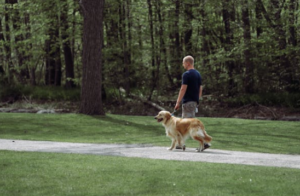
Golden Retriever walking politely on a leash beside owner in a sunny Boise park trail

Enjoy Better Walks with Your Dog in Boise

Boise dog leash pulling is one of the most common frustrations for local dog owners, especially during daily neighborhood walks. However, Boise dog leash pulling can be corrected with the right training approach and consistency. Most dogs pull because it’s been unintentionally rewarded — not because they’re stubborn or disobedient. Fortunately, with the right training approach, you can teach your dog to walk calmly beside you and enjoy stress-free walks again.


Why Boise Dog Leash Pulling Happens

Dogs aren’t trying to misbehave when they pull. In fact, they’re simply excited, curious, and naturally driven to explore their environment.

Here’s why leash pulling is so common:

  • Pulling gets results — it moves them toward smells, sights, and other dogs.

  • Lack of leash training — they’ve never learned what’s expected of them.

  • Reinforced behavior — every time pulling gets them closer to something fun, it’s rewarded.

  • No boundaries — tools like retractable leashes often make pulling even worse.

As a result, without clear rules and consistent responses, dogs will continue to repeat what works — pulling forward. Therefore, it’s essential to address the behavior early.

Common Mistakes That Reinforce Boise Dog Leash Pulling

Dog owners often make small missteps that unintentionally teach leash pulling. If you’ve done any of these, you’re not alone. However, it’s time to shift the pattern and regain control of your walks.

Avoid these leash walking mistakes:

  • Letting your dog lead the entire walk

  • Using a retractable leash that encourages tension

  • Continuing to walk when the leash is tight

  • Pulling or yanking back, which can escalate excitement

  • Skipping training in low-distraction environments

Ultimately, without structured feedback and boundaries, dogs default to what’s most exciting — and that usually means pulling ahead. Thankfully, this can be corrected with the right strategy.

How Dog Trainers in Boise Fix Leash Pulling Behavior

At All Dogs Unleashed Boise, we use a reward-based, real-world approach to help dogs learn polite leash behavior. Whether you’re in our Board & Train program or private lessons, we focus on consistent communication, positive reinforcement, and clear expectations.

Our proven leash training method includes:

1. Setting a Clear Walking Cue

First, we teach dogs verbal commands like “heel” or “let’s go” so they understand where you want them. This helps create structure from the very beginning.

2. Stopping When They Pull

Next, when the leash tightens, we immediately stop moving. As a result, dogs quickly learn that pulling leads to nothing — but a loose leash allows the walk to continue. This pattern helps them rethink their behavior.

3. Rewarding the Right Behavior

Additionally, we use treats, praise, or toys to reward your dog for walking calmly beside you. Because reinforcement is key, consistent praise builds the right habits and encourages repeatable success.

4. Practicing Around Distractions

Finally, we build up slowly — starting in quiet spaces and then gradually practicing in busier Boise parks and neighborhoods. That way, your dog gains confidence in various real-world scenarios.

Quick Tips for Better Leash Manners

If you want to start making progress today, try these quick leash training tips at home:

  • Use a 4–6 ft standard leash (not retractable)

  • Start with short, focused walks in a quiet area

  • Stop every time the leash gets tight — wait for slack

  • Mark and reward your dog for walking by your side

  • Gradually introduce distractions as they improve

For more help, check out these expert leash tips from the AKC.

Although leash training takes patience, your consistency will pay off in the long run. In the end, your dog will learn that calm walking leads to fun — not pulling. Furthermore, you’ll feel more in control and less frustrated every time you walk out the door.


Make Walks in Boise Enjoyable Again

From the Boise Greenbelt to your neighborhood sidewalks, leash manners make every walk safer and more enjoyable. If you’re struggling with leash pulling, our expert team can help.

Moreover, we offer solutions that fit your schedule, lifestyle, and your dog’s unique personality. Explore our customized training options, including Board & Train, and don’t hesitate to Contact Us to start your dog’s transformation.

When Boise dog leash pulling is addressed correctly, walks become calmer, safer, and more enjoyable for both you and your dog.

Ready to see real results? Board & Train and get your dog on the path to success.


FAQ

Why does my dog pull on the leash?
Dogs pull because it gets them closer to something exciting — like a smell, a person, or another dog. It’s unintentionally rewarded behavior, but it can be unlearned.

Can leash pulling be corrected?
Yes! With consistent training, patience, and clear communication, most dogs can learn to walk calmly on a loose leash. Additionally, early intervention makes correction easier.

Should I use a harness or collar for leash pulling?
A no-pull harness can help manage pulling. However, it won’t fix the behavior alone. Therefore, training is essential for lasting success.

How long does leash training take?
Every dog is different. However, with daily practice and proper technique, you may see improvement in as little as a few weeks. It depends on consistency and commitment.

Is Board & Train effective for leash pulling?
Absolutely. Our Board & Train program provides immersive training to build reliable leash skills in real-world environments. Plus, it gives your dog a structured, distraction-controlled setting to learn faster.

Dog focused on trainer during obedience session at Boise park

Consistency is the foundation of successful dog training, especially for Boise dog owners who want real, lasting results. At All Dogs Unleashed Boise, we understand that consistent routines and clear expectations help dogs learn faster. As a result, they build confidence and retain training over time. So, if your dog seems confused or you’re not seeing progress, consistency could be exactly what you’re missing.

Why Boise Dog Training Consistency Matters

Dogs thrive on repetition, structure, and clear boundaries. Without these elements, even the most well-meaning training efforts can fall short. However, when commands, boundaries, and rewards are predictable, your dog feels more secure. Consequently, they begin to understand what’s expected of them.

In fact, consistency provides key benefits like:

  • Faster learning, since your dog can connect commands with outcomes

  • Increased confidence, because they’re never guessing what to do

  • Stronger habits, which stick even in distracting environments

  • Fewer mixed signals, which reduces confusion and stress

For even more expert-backed guidance, check out these dog training tips from the AKC.

5 Ways to Improve Consistency in Your Boise Dog Training Routine

Thankfully, building consistency is easier than it seems. With just a few adjustments, you can transform your training approach and see big improvements.

1. Use the Same Words for Every Command

To begin with, stick to short, simple words like “sit,” “stay,” or “come.” Avoid changing commands or using different tones. Otherwise, your dog may get confused. Because dogs rely on repetition, consistency in language is essential.

2. Establish Clear House Rules — Then Stick to Them

Before you start training, decide on household rules — for example, whether your dog is allowed on the furniture or how they should behave at the door. After that, ensure everyone in your household follows the same expectations. Otherwise, your dog may receive mixed signals.

3. Use Daily Dog Training Routines for Long-Term Results

Instead of relying on long, occasional training sessions, aim for short daily routines. Even five to ten minutes per day makes a difference. Over time, these small sessions lead to stronger behavior and quicker learning.

4. Reward Training Behaviors Consistently and Promptly

Importantly, timing matters. Give treats, praise, or toys right after your dog performs a desired action. That way, they associate the behavior with the reward. Delayed reinforcement, on the other hand, can weaken the training effect.

5. Stay Calm and Repeat the Same Dog Training Corrections

In moments of misbehavior, stay calm and consistent. For instance, use the same tone, cue, or redirection every time. This way, your dog knows what to expect — and what’s not acceptable. Reacting emotionally may send mixed messages, so consistency is key.

Need Help? Let a Boise Trainer Reinforce Consistency for You

Of course, even the most dedicated owners can struggle to stay consistent — especially with busy schedules. Fortunately, professional training can help reinforce these routines for you.

At All Dogs Unleashed Boise, our structured Board & Train program immerses your dog in daily routines, clear commands, and consistent guidance. As a result, your dog builds strong habits faster — and you gain tools to keep them going at home. In addition, we offer Puppy Training to give young dogs the structure they need right from the start.

Most importantly, we guide you through what to do after training ends. That way, your dog stays consistent at home — not just in class. Contact Us today to find the right option for your dog.

Why Boise Dog Owners Trust Consistent Training

When you follow a consistent training plan, you’ll start noticing improvements quickly. Not only will your dog listen better, but they’ll also behave more confidently and calmly in public.

Here’s what to expect:

  • Faster progress with obedience and leash walking

  • Reduced stress in your home and during outings

  • Greater off-leash reliability, even around distractions

  • A deeper bond built on clarity and trust

Ultimately, structure leads to success. So, if you’re ready to make real progress, we’re here to help you every step of the way.

Ready to see real results? Board & Train and get your dog on the path to success.


FAQs

Q: Why is consistency so important in dog training?
Because dogs learn through repetition, consistency helps them understand what’s expected and how to respond.

Q: How can I be more consistent with my dog?
Use the same commands, stick to daily routines, and reward behavior right away. Everyone in the home should follow the same rules.

Q: Can a trainer help me be more consistent?
Absolutely. Programs like our Board & Train reinforce routines that carry over into your home.

Q: How fast will I see results with consistent training?
In many cases, results appear within a few days. However, long-term consistency builds lasting habits.

Q: Does consistency matter for older dogs too?
Yes! Both puppies and adult dogs benefit from structured, reliable routines.

Dog training with owner in Boise foothills during sunset

The benefits of dog training in Boise go far beyond teaching basic commands. With professional guidance, you’ll build better communication, reduce stress, and enjoy a stronger bond with your dog. Whether you’re raising a new puppy or correcting frustrating behaviors, structured training leads to lasting results.

1. Clear Communication: A Core Benefit of Dog Training in Boise

Every dog wants to please, but not every dog understands what you’re asking. Fortunately, professional training helps bridge that gap.

First, you’ll learn how to speak your dog’s language. Then, you’ll discover your dog’s individual learning style. As a result, you’ll use training tools that actually work in your everyday routine.

When your dog knows what’s expected, life gets easier—and calmer—for everyone.

2. Build Trust Through Obedience Training in Boise

Training strengthens your relationship. You’re not just giving commands—you’re building a connection based on trust.

In addition, structured time together helps your dog feel more secure. Through consistent work, your dog will begin to anticipate your direction with enthusiasm. Eventually, this mutual respect becomes part of every interaction.

Because of this, many pet owners say training made them feel more connected to their dog than ever before.

3. Stress-Free Living: Behavioral Benefits of Dog Training in Boise

Does your dog bark constantly, jump on guests, or act out when left alone? If so, you’re not alone. However, targeted training can resolve these everyday stressors.

For example, you’ll learn how to set clear boundaries your dog can follow. Additionally, your dog becomes more focused and calm even in busy environments. As a result, you’ll enjoy smoother walks, quieter evenings, and fewer frustrations at home.

These are some of the most noticeable benefits of dog training in Boise for busy families and pet parents.

4. Safety Benefits of Dog Obedience Training in Boise

Training keeps your dog safe—especially in active Boise neighborhoods, trails, and parks. A well-trained dog is less likely to dart into the road or lunge at distractions.

That’s why recall, leash control, and impulse management are key parts of every program. In addition, your trainer will help you reinforce these skills consistently over time. This way, you can walk, hike, or travel with confidence.

Want to dive deeper into safety training? Check out these AKC training programs designed to prevent accidents and build reliable obedience.

5. Eliminate Frustrating Behaviors

From excessive barking to chewing furniture, unwanted behavior can create daily stress. Fortunately, training replaces chaos with structure.

With help from a trainer, you’ll address the root causes of problem behaviors—not just the symptoms. Over time, your dog becomes more relaxed, focused, and well-behaved both at home and in public.

If you’re feeling overwhelmed, the benefits of dog training in Boise can turn frustration into peace of mind.

6. Get Help With Aggression or Anxiety

Serious behavior issues like aggression or anxiety need professional support. Whether your dog is fearful, reactive, or dealing with past trauma, there is a path forward.

To start, we evaluate what’s triggering the behavior. Then, we use proven techniques to rebuild your dog’s confidence and self-control. Finally, we coach you through handling difficult situations with calm, assertive leadership.

Many of our clients see powerful changes through Board & Train, especially when dealing with complex cases.


Why Choose All Dogs Unleashed Boise?

At All Dogs Unleashed, we tailor every training program to your dog’s needs, temperament, and lifestyle.

Most importantly, our Boise team understands the local environment—from crowded neighborhoods to off-leash trails. Unlike online courses or generic classes, we offer real-world results with support every step of the way.

Whether you need Puppy Training, advanced obedience, or serious behavior correction, we’re here to help.

Ready to see real results? Board & Train and get your dog on the path to success.


FAQs

What types of dogs benefit from training?
All dogs—puppies, rescues, senior dogs, and stubborn breeds—can benefit from structured training. The benefits of dog training in Boise apply to every breed and age.

How long before I see results?
Most owners notice improvements within the first few sessions. However, long-term results come from consistency and follow-through.

Should I choose private lessons or group classes?
Private training offers faster, more customized results. Group classes add socialization. For more intensive help, our Board & Train is ideal.

What types of behavior do you work with?
We help with jumping, barking, pulling, anxiety, aggression, and more. If it’s causing stress, we have a solution.

How do I get started?
It’s easy—Contact Us and our Boise team will walk you through the next steps.

Dog jogging with owner on Boise Greenbelt trail during early morning exercise routine

Daily exercise for dogs in Boise matters more than you might think. As a dog owner, you want your pup to thrive. That’s why physical activity, mental games, and quality time together are essential. In this article, we’ll explain the key benefits of daily exercise and how to make it work in our Boise community.

Why Exercise for Dogs in Boise Supports Physical Health

Just like us, dogs need regular exercise to maintain a healthy weight and vibrant life. Without it, they face risks like obesity, diabetes, heart issues, and joint pain. Fortunately, Boise offers plenty of dog-friendly areas where you can keep your pup active.

Learn more about how much exercise your dog really needs from the American Kennel Club. By understanding the basics, you can prioritize exercise for dogs in Boise and prevent long-term health problems.

Mental Stimulation & Behavior

Exercise isn’t just about movement — it’s also about engaging your dog’s mind. For example, playing fetch, exploring new trails, or solving food puzzles all provide mental stimulation. As a result, your dog will be less likely to develop boredom-driven behaviors like chewing or barking excessively.

Strengthening Your Bond

In addition to physical health, shared activity deepens your bond. When you go for walks, hikes, or play sessions, your dog learns to trust you more. Consequently, training becomes smoother and your relationship strengthens.

Socialization Matters

Boise is full of opportunities for dog-friendly outings. For instance, off-leash parks and hiking trails allow your pup to safely interact with other dogs and people. Over time, these experiences build confidence and reduce anxiety, especially in younger dogs.

Why Active Dogs Behave Better in Boise

A tired dog is a well-behaved dog. Because of this, physical and mental activity can dramatically reduce hyperactivity and destructive habits. If you’re unsure where to start, contact us — we’re happy to help you design the right plan.

How to Plan Daily Exercise for Dogs in Boise

Because we live in Boise, we have access to trails, parks, and year-round dog-friendly weather. To build a balanced routine, try mixing in:

  • Walks through your neighborhood

  • Hikes in the foothills

  • Fetch at local dog parks

  • Obedience games that include movement

Even if your time is limited, short sessions still count. Additionally, tailor activities to your dog’s age and energy level so they stay safe and engaged.

Final Thoughts

When you prioritize exercise for dogs in Boise, you’re not just improving your dog’s health. You’re also building better behavior, reducing stress, and creating lasting routines. If you want structured support, our expert team can help with local training solutions.

Ready to see real results? Board & Train and get your dog on the path to success.


Frequently Asked Questions

How much exercise does a typical adult dog need?
Most adult dogs benefit from at least 30–60 minutes of moderate activity daily. Learn more from the AKC’s guide to dog exercise.

What if my dog is older or has health issues?
For senior dogs or those with joint issues, shorter walks, gentle play, and low-impact options (like swimming) work well. Always consult your vet.

How can I make walks more mentally enriching?
Add variety by changing your walking route, allowing sniff breaks, playing “find it” games, or bringing puzzle toys for added stimulation.

Can exercise help with behavior problems?
Yes — physical and mental activity can reduce common behavior issues like chewing, barking, and hyperactivity by releasing pent-up energy.

Where can I find local help for dog exercise in Boise?
Visit All Dogs Unleashed Boise or Contact Us to learn how our local trainers can support your dog’s exercise routine.