

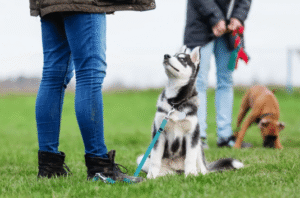
Husky puppy sitting on grass during outdoor dog training class in Boise, looking up at trainer.

If you’re a dog owner in Boise, you understand how much it means to have a well‑behaved, happy pup. Enrolling your dog in Boise dog training classes can be a true game‑changer. Not only does it improve manners, but it also deepens your bond with your dog—here’s how.

Why Boise Dog Training Classes Speed Up Progress

To begin with, joining a class led by certified trainers helps your dog learn faster. These professionals work with all breeds and behavior types, and they tailor methods to fit your dog’s unique personality. For example, a bold Labrador may need different strategies than a shy rescue.

Additionally, you can explore structured training programs by the AKC to learn more about what a comprehensive curriculum can include.

Boosting safety through obedience

Dogs that reliably follow cues like “sit,” “stay,” or “come” stay safer in real-world situations. As a result, from busy Boise streets to unexpected encounters at the park, strong obedience protects your dog in everyday life.

Tackling problem behaviors with confidence

Jumping, barking, and reactivity often frustrate owners. However, the right classes give you tools to manage and change these behaviors. With expert support, many dogs show noticeable improvements and become calmer companions.

Socialization Benefits of Dog Training Classes in Boise

In addition to learning obedience, dogs grow more confident when they face controlled challenges. In group classes, they meet other dogs and people in a structured setting. Consequently, this exposure reduces anxiety and builds the social skills your dog needs.

Build a Better Bond Through Boise Dog Training

Above all, training builds communication and trust. When your dog understands what you expect, they feel secure. Therefore, you’ll enjoy outings, walks, and daily life more—with fewer corrections and more connection.

Have questions or want help choosing the right class? Contact Us today and speak with a local trainer.

Ready to see real results? Board & Train and get your dog on the path to success.


FAQ

Q: What age should my dog start Boise dog training classes?
A: Most trainers recommend starting as early as eight to ten weeks for puppies, but adult dogs benefit greatly too. It’s never too late.

Q: How long until I see results from Boise dog training classes?
A: While results vary, many owners notice improvements within a few weeks of consistent classes and practice.

Q: Do I need to practice at home after attending Boise dog training classes?
A: Yes. Regular short sessions at home reinforce what’s learned in class and help make good behavior a habit.

Q: Can standard training classes handle serious behavior issues like aggression?
A: For mild to moderate behavioral concerns, group classes are a strong option. But for severe aggression or anxiety, a specialized program or one‑on‑one training may be needed.
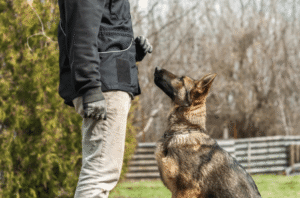
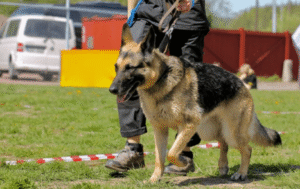
Boise dog trainer giving calm command to German Shepherd at local park

If you’re a Boise dog owner dealing with aggressive dog behavior, this guide will show you how training can help. Whether your dog has become fearful, defensive, or simply overwhelmed, we’ll walk you through the process of understanding the root causes. Additionally, we’ll show how professional training can provide a path to peace of mind.


What Causes Aggressive Dog Behavior in Boise Dogs?

Understanding what’s behind your dog’s aggression is the first step in resolving it. Several key factors often play a role:

1. Past Abuse or Neglect

Dogs with traumatic histories often develop aggressive behavior to protect themselves. For instance, a dog rescued from an abusive home may lash out to feel safe. As a result, building trust is essential.

2. Anxiety or Stress

Unmanaged stress can trigger aggressive behavior in dogs, especially after major life changes. Therefore, reducing stressors is a top priority.

3. Fear-Based Dog Aggression

Fear is one of the most common causes of aggressive dog behavior. In many cases, a frightened dog sees aggression as its only option. Consequently, exposure therapy with positive reinforcement can help.

4. Frustration and Confinement

“Barrier frustration” is a common source of reactivity and aggression. When dogs feel trapped, they may redirect their energy into aggressive outbursts. Thus, structured activity and space are key.

5. Breed-Driven Behavior

Some dogs have strong protective instincts that can appear aggressive without training. However, proper structure can help manage this natural drive.

6. Poor Socialization

Dogs that aren’t socialized early often react aggressively to new people or pets. Because of this, social exposure should begin as early as possible.

7. Learned Aggressive Behavior

Dogs sometimes repeat aggressive actions if they’ve learned it gets results. Therefore, consistent correction and redirection are critical.

Learn more about aggression in dogs from the AKC.

Boise Aggressive Dog Training: Rule Out Health Issues First

Before starting training, rule out medical causes that could influence aggressive dog behavior. Pain, hormonal imbalances, neurological issues or dietary factors may contribute to aggressive behavior. Therefore, it’s important to consult your veterinarian to ensure all health bases are covered. In turn, this helps training efforts succeed.

Effective Dog Training Options for Aggression in Boise

When aggression is severe, these solutions can help:

  • In-Home Training for Aggressive Dogs in Boise
    Work with your dog at home to manage their triggers in real-world settings. This approach keeps your dog in familiar surroundings and allows for real-time feedback.
  • Boise Dog Behavior Boot Camp for Aggression
    A structured stay with a trainer can help reset dangerous behavior patterns. As a result, your dog experiences consistent routines and expectations. In addition, your dog receives intensive support and socialization.

This level of training is intensive but often the best route when your dog is at risk of surrender or exclusion due to behavior. Ultimately, it offers your dog the best chance at lasting change.

Why You Need Professional Help for Aggressive Dogs

  • A trained behavior specialist gives your dog clear structure, consistent signals and safe exposure. In turn, your dog learns how to respond calmly and predictably.
  • You receive coaching so you can continue progress at home—training doesn’t stop when sessions end. Additionally, you gain tools that support long-term success.
  • You create an environment in your Boise home and community where your dog can be successful—less stress for everyone. For example, simple routines can help reduce triggers and anxiety.
  • You’ve taken proactive action, which can reduce the chance of escalation or irreversible consequences. Therefore, early training is often the best solution for aggressive behavior.

Need advice on which program is best for your dog? Contact Us and let’s talk through the right next step.


Final Thoughts on Treating Aggressive Dog Behavior in Boise

With the right support, you can transform even serious aggression into calm, obedient behavior. Every dog deserves the chance to live peacefully—and you deserve the confidence to enjoy your time together again. After all, a well-trained dog is a happy dog. Ultimately, the first step begins with action.

Ready to see real results? Board & Train and get your dog on the path to success.


FAQs About Aggressive Dog Training in Boise

How long does training take?
Most aggressive dogs show progress within 2–4 weeks with the right plan and consistency. However, follow-through is essential.

Can aggressive dogs really improve?
Yes. With structure and expert help, many aggressive dogs become safe, calm companions. In fact, most dogs just need clear guidance.

What types of aggression do you handle?
We address leash reactivity, fear, barrier frustration, and both dog and human-directed aggression. Additionally, we work with multi-dog households.

Is boot camp required?
Not always. Severity determines the plan—Contact Us to discuss your dog’s needs. We’ll guide you through the best option.

Should I try to fix it myself?
Aggression can be risky to handle alone. Therefore, professional guidance ensures safety and results. Instead of guessing, work with a pro who understands behavior.

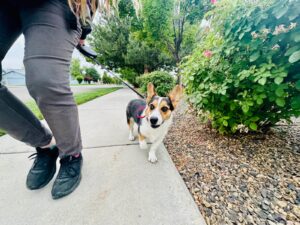
Dog and owner walking downtown Boise amid city distractions

Welcome to your guide on Boise dog focus training, designed for dog owners navigating the pull of city life. Living in Boise means walking past busy patios, friendly strangers, food carts, and wildlife. As a result, your dog is constantly tempted to look away, sniff around, or respond to every new stimulus. Fortunately, we’ll help you turn that chaos into opportunity.

Why Boise Dog Focus Training Matters in a City Full of Distractions

Boise offers an incredible environment for dogs—trails, parks, outdoor cafés—all dog‑friendly. However, that same freedom brings many distractions. For instance, a simple walk downtown can become a tug‑of‑war for attention with your dog. If your pup is easily distracted by other dogs, skateboards, food smells, or passers‑by, your outings may become stressful. That’s where Boise dog focus training becomes essential.

How to Turn Boise Dog Distractions Into Focus Training Opportunities

Instead of avoiding busy areas, you can turn distractions into training moments. Here’s how:

  • First, choose a moderately distracting location (for example, a patio near a food cart).

  • Next, give your dog a task to focus on you (such as a cue or reward) instead of the distraction.

  • For example, ask for a “look at me” or “touch” cue when someone walks by.

  • Then, reward calm, attentive behavior immediately.

  • Gradually increase the level of distraction as your dog improves.

Additionally, you can learn more in this in-depth guide on Boise’s hidden distractions.

Take Boise Dog Focus Training Beyond the Classroom for Real Results

A big mistake is training solely in a quiet, controlled space. Instead, practice commands where they matter most—on sidewalks, in parks, at dog‑friendly cafés. Over time, your dog learns to pick you over distractions. Therefore, this real‑world Boise dog focus training gives your dog the confidence to respond no matter what’s happening around them—rather than only in a classroom setting.

Why Focused Dogs Are Calmer, Safer, and More Confident in Boise

Focused dogs are calmer. In other words, when your dog can tune in instead of zone out, you get fewer reactive or anxious moments. That means fewer embarrassing or unsafe incidents in public, around kids, or other dogs. With the right guidance, your dog not only behaves better—it feels better.

Start Your Boise Dog Focus Training Journey Today

If you’re ready to build your dog’s focus and confidence in Boise’s busy environment, we’d love to help. Our training works where it matters most. Contact Us today to begin your Boise dog focus training journey.

Ready to see real results? Board & Train and get your dog on the path to success.


Frequently Asked Questions

Q1: How long does it take for a dog to learn focus in a distracting environment?
A1: It depends on the dog’s current training level and exposure. With consistent practice in real settings, many dogs show noticeable improvement within a few weeks.

Q2: Can I train focus at home before heading out?
A2: Yes—but home is only the first step. You’ll need to transfer the skill to real‑world environments (parks, sidewalks, cafés) to build true reliability.

Q3: My dog gets overwhelmed by distractions. Should I skip training?
A3: No. Start with very low distraction levels and build gradually. Using positive reinforcement and patience, focus training can help reduce anxiety and build confidence.

Q4: Do I need to hire a professional trainer?
A4: A good trainer can speed progress and help you avoid common mistakes. But with consistency and the right approach, you can do a lot of it yourself at home or in public with your dog.

Q5: Is focus training just for obedience?
A5: No. While commands are involved, the bigger win is a calmer, more confident dog who responds because they choose to tune in, not because they’re forced to.

Calm, focused dog practicing impulse control during training session with a local Boise dog trainer at a sunny park

If you’re a dog owner in Boise, you know how much joy your pup brings — and how structured dog training for mental health can also support your own emotional well‑being. At All Dogs Unleashed Boise, we’ve seen firsthand how consistent training routines benefit both dog and owner.

How Boise Dog Training Supports Your Mental Well‑Being

When we think of dog training, we often picture commands like sit, stay, and heel. However, training goes deeper — it can help reduce stress, improve mood, and even boost serotonin levels. For example, predictable behavior from your dog replaces erratic moments with calm routines.
During Boise’s colder or darker months, these small shifts in behavior become especially impactful.

Impulse Control & Mental Wellness Through Dog Training in Boise

One of the key skills in our Board & Train program is impulse control. That skill applies not just to your dog but to your home environment too. Dogs who learn to wait, not bolt or bark at every trigger, create calmer homes — and that means lower cortisol (stress hormone) for you.
Through effective dog training for mental health, you gain structure and peace of mind.

Emotional Energy and Boise Dog Training Success

Your dog often mirrors your emotional state — a hyper, overstimulated dog reflects a stressed owner. By guiding your dog to regulate behavior, you help yourself reset. Structured routines—training walks, mental exercises, small wins—can help you unwind and feel more grounded.
Want more ways to support your dog’s mind? Check out the AKC’s guide on how to keep your dog’s mind sharp.

Using Boise Dog Training Routines to Combat Seasonal Blues

Boise is full of dog‑friendly parks, trails, patios and social events — which is wonderful, but can also be distracting. A spontaneous walk downtown can become over‑stimulating for your dog — and you. Training becomes a rhythm. It gives you and your dog manageable goals. It creates predictability. When outside feels heavier, a clear indoor or structured walk routine becomes relief.

How Board & Train Leads to Dog Training for Mental Health and Calm

When we partner with you on Board & Train, we’re not just focusing on your dog’s behavior — we’re creating a better daily life for both of you. From puppy to mature dog, we tailor programs that build skill, create calm, and support dog training for mental health no matter the season.

Have questions about how to get started? Contact Us to learn how we can help bring balance back to your home.

Ready to see real results? Board & Train and get your dog on the path to success.


FAQ

  • Q: How soon will I see mental‑health benefits from dog training?
    A: Benefits vary, but many owners report calmer moods and reduced stress within a few weeks of consistent training routines.

  • Q: Does this apply only to puppies or adult dogs too?
    A: It applies to all ages. Structured training helps adult dogs and owners create routine and calm, regardless of when you start.

  • Q: What kind of training supports mental‑wellbeing?
    A: Training that emphasizes impulse control, daily routines, consistent walks/exercises and positive reinforcement works best.

  • Q: I live in Boise — how can local‑specific training help?
    A: Local training accounts for Boise’s parks, trails, weather and distractions. It creates real‑world routines that suit your local lifestyle.

  • Q: Can professional training be integrated into home routines?
    A: Yes. Professional guidance establishes structure and the owner continues practices at home — creating sustainable calm for both dog and owner.

Dog and trainer working on obedience commands in a Boise park during training session

If you’re looking for a proven way to improve your dog’s manners and behavior, enrolling in a Boise obedience school for dogs is one of the smartest steps you can take. These structured programs help you and your dog work as a team—bringing clarity, consistency, and confidence every step of the way.

1. Correct Problem Behaviors with Dog Training in Boise

To begin with, bad habits like jumping on guests, excessive barking, or aggression toward other dogs or people can quickly become stressful. Fortunately, training provides structure and guidance to eliminate these problems. Without clear rules and reinforcement, many dogs end up in shelter situations.
However, a targeted program can convert a challenging dog into a well‑behaved companion with lasting results.

2. How a Boise Obedience School for Dogs Improves Safety

In addition to correcting behaviors, training is essential for safety. A dog that reliably responds to “sit,” “stay,” or “come” and can behave off‑leash is far less likely to bolt into traffic or chase after animals.
Moreover, training teaches your pup to listen in high‑distraction settings—something that’s critical for your peace of mind.

3. Build a Stronger Bond Through Obedience Training

Not only does training improve obedience, but it also deepens your relationship. Dogs naturally want to please their humans. Yet without proper training, misunderstandings can emerge—house rules go unlearned, and communication breaks down.
Thankfully, training fosters better understanding and mutual respect between you and your dog. For example, when your dog knows what you expect, you’ll both enjoy outings and quiet time more.

4. Improve Socialization with a Boise Obedience School for Dogs

Another benefit of formal classes is improved social behavior. If your dog struggles with meeting other dogs or reacts poorly in group settings, isolation isn’t the only answer. Instead, professional training addresses root causes and introduces positive social experiences.
Whether your dog is fearful, territorial, or simply out of practice, structured social interaction under supervision helps change the equation.

5. Why Obedience School for Dogs Also Stimulates the Mind

Equally important, dogs need mental stimulation to thrive—especially intelligent or high‑energy breeds. Training sessions engage their minds, which helps prevent boredom‑fueled behaviors like chewing furniture or digging.
Once core skills are in place, you’ll want to reinforce them at home with consistent practice, daily walks, and playtime to sustain the gains.


Our Approach to Dog Obedience Training in Boise

Of course, there are many trainers to choose from. However, you’ll want a provider that guarantees results and supports both the dog and the owner. At All Dogs Unleashed Boise, our method:

  • Uses a clear step‑by‑step process

  • Addresses the dog’s unique needs

  • Includes owner education to maintain progress

In other words, you’re not just being handed a trained dog—you’re being equipped to keep it that way long after the program ends. That’s why choosing a trusted Boise obedience school for dogs is so important—one that not only trains your pup but also empowers you to keep the training going at home.


Getting Started in Boise

So, if you’re ready to transform your dog’s behavior and enjoy every moment together, take the first step. First, you’ll meet with a trainer, talk through your goals and your dog’s current status, and decide on a plan that fits your lifestyle and budget.

Not sure where to begin? Contact Us and we’ll help you schedule your free consultation.

When you work with a Boise obedience school for dogs, you’re not just fixing issues—you’re building a better relationship with your dog that lasts.

For more on what to expect from group and individual classes, check out this helpful guide from the American Kennel Club.


Ready to see real results? Board & Train and get your dog on the path to success.


FAQ

Q1: What age should my dog start training classes?
A1: Dogs of virtually any age can benefit from training classes. Puppies might start as early as 8–12 weeks, while adult dogs may need classes when behaviors develop or change.

Q2: How long until I see results from training?
A2: Many owners notice improvements within a few weeks. However, lasting change depends on consistency at home. The program you choose and your commitment matter.

Q3: Are group classes enough, or do I need one‑on‑one training?
A3: That depends on your dog’s behavior. Basic obedience may do fine in group classes. On the other hand, significant issues (aggression, fear, chronic bad habits) often require individual or intensive Board & Train support.

Q4: Will training actually help my dog socialize with others?
A4: Yes. Proper training includes supervised socialization—teaching your dog to interact calmly and appropriately with other dogs and people rather than merely avoiding those situations.

Q5: What happens after formal classes end?
A5: Training is just the start. Therefore, you’ll need ongoing practice at home, regular outings, and reinforcement of skills to keep your dog’s good behavior stable over time.

Dog trainer working with a German Shepherd in a Boise park during a professional dog training session

Investing in professional dog training Boise dog owners trust is one of the best decisions you can make for your pet’s well‑being and your peace of mind. Whether your pup is a playful puppy or a full‑grown adult dog, these classes offer serious value for Boise dog owners.

Why Professional Dog Training in Boise Matters

Quality training improves your dog’s obedience, confidence, and safety—while building a deeper relationship between you and your pet. Let’s look at why it’s worth it.

1. Safety Comes First with Boise Dog Training Programs

When your dog learns commands like “sit”, “stay”, and “lie down,” sudden dangers—such as traffic or chasing other animals—become less likely. Effective training also emphasizes solid recall, so your dog comes when you call.
However, without this foundation, even friendly dogs can find themselves in risky situations.

2. Correcting Bad Habits Through Professional Dog Training Boise

Does your dog jump on guests, bark excessively, or show aggression toward other dogs or people? Training helps correct these problem behaviors. Many dogs end up in shelters because their issues weren’t addressed early.
In addition, professional training gives you tools to deal with it properly.

3. Building Trust Through Expert Obedience Training

Training isn’t just about teaching your dog—it’s about building a two‑way conversation. As you work together, you and your dog learn to understand each other better, fostering trust and respect.
For example, structured sessions build that connection in a way casual playtime often doesn’t.

4. Social Skills Gained from Dog Training in Boise

Dogs that struggle around other animals or people often need more than basic obedience—they need structured exposure and guidance. Instead of isolating your dog, training provides a constructive way to encourage positive interactions.
It’s especially helpful if your dog shows territorial behavior, toy possessiveness, or intimidation toward strangers.

5. Mental Enrichment with Professional Dog Training

Just like people, dogs thrive when their minds are engaged. Training exercises stimulate your dog’s cognition, which can prevent destructive habits—like chewing or excessive digging—that stem from boredom.
In addition to classes, consistent home practice, regular walks, and playtime form the ideal mix.

Why Choose Professional Dog Training Boise Experts?

A proven training program focuses not only on your dog but on you as the owner—giving you the skills to sustain progress long after classes end. Consistency across your household is vital for success.
For example, if everyone uses the same commands and rewards systems, your dog learns faster and retains the behavior longer. Learn more about structured training programs from the AKC.

What’s Next for Boise Dog Owners?

If you’re searching for reliable, results-driven professional dog training Boise families recommend, look for a program that offers structured sessions, ongoing support, and reinforcement at home. Choose one that prioritizes both obedience and your dog’s long‑term happiness. Have questions? Contact Us for details.

Ready to see real results? Board & Train and get your dog on the path to success.


FAQ

Q: What age should I start dog training classes?
A: Puppies can begin training as early as 8 weeks old. Early socialization and basic commands lay a strong foundation for future learning.

Q: Are group classes or private sessions better for my dog?
A: It depends on your dog’s temperament. Group classes help with socialization, while private sessions offer personalized focus for specific behavior issues.

Q: How do I know if my dog needs professional training?
A: If your dog shows signs of aggression, disobedience, fearfulness, or excessive barking, professional training can help correct these issues.

Q: Will dog training classes help with separation anxiety?
A: Yes, structured training boosts your dog’s confidence and can reduce anxiety by establishing routines and building trust with you.

Q: What should I bring to a dog training class?
A: Bring treats, a leash, a collar or harness, water, and a positive attitude. Your trainer may provide additional guidance before class begins.

Dog trainer working on behavior correction with German Shepherd in Boise park

If you’re searching for Boise dog behavior correction that actually works, you’re not alone. Many local dog owners struggle with unwanted habits like barking, pulling, or anxiety. Fortunately, our proven training programs at All Dogs Unleashed Boise are designed to help.

Why Boise Dog Behavior Correction Works

Obedience training isn’t just about teaching your dog to “sit” or “stay.” Instead, it’s about creating communication, setting clear boundaries, and giving your dog the tools to thrive in everyday life. As a result, you’ll experience less stress, more enjoyable walks, and better quality time together.

With consistent structure and guidance, Boise dog behavior correction helps dogs understand boundaries, communicate better, and respond calmly to distractions. This leads to more enjoyable walks, fewer incidents at home, and a stronger bond between you and your dog.


Boise Dog Behavior Correction for 6 Common Problems

Here are six common issues we tackle in our Boise dog obedience training, and how we approach each one.

1. Basic Obedience and Behavior Correction

We teach dogs to master foundational commands like sit, stay, down, and come—even off‑leash. When your dog responds reliably, they stay safer in parks, yards, and everyday outings. Moreover, we educate both your dog and you, so you can maintain that behavior when you’re at home.

2. Leash Pulling and Walking Behavior Fixes

Dragging a leash or being jumped all over can ruin a walk. In a place like Boise, where we enjoy dog‑friendly trails and parks, a well‑mannered walk makes a big difference. That’s why our training helps your dog walk calmly at your side so your outings are pleasant again.

3. Jumping Up and Correcting Excited Behavior

It’s natural for dogs to get excited—but jumping up on people is risky and disruptive. Even more so, small dogs can startle a visitor or knock someone off‑balance. To prevent this, we teach better greeting behavior so your dog can be friendly without being over the top.

4. Barking and Boise Behavior Correction Strategies

Some barking is fine—it can alert you to someone approaching. However, constant barking from boredom or anxiety affects everyone. Therefore, we work with your dog to reduce nuisance barking and give you strategies to manage the situation. In turn, less barking means happier neighbors and a calmer home environment.

5. Dog Aggression and Boise Dog Behavior Correction

Dogs can show serious aggression toward people, other dogs, food, or toys—making it one of the hardest behaviors to fix. Sadly, many owners surrender aggressive dogs to shelters when they don’t know what else to do.
In some cases, we offer immersive training (e.g., a boarding‑style program) when needed to redirect behaviour safely. For additional insight, the ASPCA offers guidance on handling behavioral issues.

6. Behavior Correction for Separation Anxiety

When your dog panics at your departure—destroying things, barking, refusing to eat—that’s a stress on both of you. Our Boise obedience training gives you tools to help your dog feel secure and stay calm when you’re away.


How Our Boise Dog Behavior Correction Program Works

  • First, we start with an assessment: what your dog currently does, what you want to achieve, and any special concerns (breed, age, history).

  • Then, we build a plan tailored to your goals—whether that’s in‑home lessons or an immersive board‑and‑train program.

  • Next, you get the skills and confidence to keep your dog’s behaviour strong long‑term.

  • Finally, we partner with you every step of the way—because return‑visits matter, and the best results show up when you’re consistent.


Why Choose Our Dog Behavior Correction in Boise

  • Local expertise in the Boise / Treasure Valley dog culture and environment.

  • Friendly but professional approach—you’ll feel supported, not judged.

  • Proven methods that focus on both the dog and you, the owner.

  • We don’t just fix behavior—we build relationships.

  • Ideal for new puppies, rescue dogs, or lifelong companions.


Getting Started Today

If you’re ready to see a big shift in your dog’s behavior, we invite you to Contact Us and we’ll chat about your dog’s specific needs.
Let’s work together so your dog becomes the calm, joyful companion you always hoped for.

Don’t wait to get started with Boise dog behavior correction that delivers real results. Contact Us today to schedule your free consultation and take the first step toward lasting change.

Ready to see real results? Board & Train and get your dog on the path to success.


FAQs

Q: How quickly can I expect results from obedience training?
A: Every dog is different. Some begin to respond in a few sessions; others with deeper issues may take weeks of consistent work. With our program though, most owners report noticeable improvement within the first month.

Q: Is obedience training only for puppies?
A: Absolutely not. Whether you have a puppy, adult dog, or senior companion, behaviors can be improved. Our methods are designed for dogs of all ages and breeds.

Q: What if my dog has severe behavioral issues like aggression or intense fear?
A: For significant issues we may recommend our more intensive model where the dog stays with a trainer for a period of time. We’ll evaluate your dog’s needs and select the right program accordingly.

Q: Do I have to commit to a long program?
A: No. We build the plan that fits your budget, schedule, and goals. We also give you the tools so you can maintain good behavior long‑term.

Q: Can you train in‑home or do I need to come to you?
A: We offer both in‑home sessions and structured programs. We’ll talk through what works best for you and your dog.

Boise dog resting calmly on living room floor while owner prepares to leave

If you’re a Boise dog owner and you’re worrying that your pet may suffer from separation anxiety, this guide to Boise dog separation anxiety training will help you understand the issue and take real steps toward a calmer home. Learn how the team at All Dogs Unleashed Boise can support your dog’s behavior transformation.

What Is Dog Separation Anxiety in Boise?

When your dog becomes overly glued to you and panics when you leave, that’s more than a bit of sadness—it may be true anxiety. Even well‑behaved dogs can struggle when left alone. Recognizing this matter early means you can act before things get worse.

Signs of Dog Separation Anxiety in Boise

Here are common signs to look for:

  • Non‑stop barking, howling or whining when left alone, beyond what might be considered normal

  • Destructive behaviors: chewing doors or window sills, digging by exits, trying to escape

  • Pacing, walking in fixed patterns when alone

  • House‑soiling, even if previously house‑trained

  • Excessive salivation, panting or drooling when separated

  • Extreme greetings when you return, far beyond normal excitement

Why does it happen?

There isn’t always a single cause. Some contributing factors include:

  • Ageing dogs may develop anxiety

  • A change in routine or loss of a family member

  • Rescue dogs: past trauma or neglect often raises risk

  • Physical illness: Always check with a vet to rule out medical causes

For a detailed breakdown of causes and behavior patterns, see this helpful AKC guide on dog separation anxiety.

How Dog Anxiety Training in Boise Helps

Training tailored for separation anxiety can significantly reduce stress for your dog. Effective strategies include:

  • Building confidence: using positive reinforcement so your dog links alone time with good things

  • Establishing routine: creating a predictable pattern before departures helps your dog feel safer

  • Teaching relaxation: e.g., get your dog to settle on a mat or bed on cue, so they learn a calm behavior when alone

  • Crate training (when appropriate): a well‑introduced crate can become a safe “den” rather than a punishment

  • Gradual desensitization: leaving your dog alone for short periods and slowly increasing time so they adjust

  • Command training: basics like “sit”, “stay”, “come” redirect focus and give structure

  • Counter‑conditioning: pairing your departure with something positive (a treat toy) so your dog expects something good when you leave

Training options we recommend for Boise area dogs

  • In‑home lessons: A trainer comes to your Boise home, assesses your dog and works with you directly.

  • Board‑&‑train: For more serious cases, your dog stays with the trainer for a period to reset behavior in a focused environment. (Ensure the trainer explains how to transition the training back home.)

Using the right option can make the difference between continued anxiety and a relaxed, happy dog.

Next steps for Boise dog owners

  1. Observe your dog’s behavior the next time you leave home. Note any patterns of anxiety.

  2. Consult your vet to rule out health issues.

  3. Choose a qualified trainer with experience in separation anxiety. Ask about success stories and clear plans.

  4. Commit to the training plan fully — routine, consistency, and gradual progress matter most.

  5. Celebrate improvements (however small)! Every calmer moment is progress.

Ready to see real results? Board & Train and get your dog on the path to success.

Need help getting started? Contact Us today and speak with a Boise-area dog training expert.


FAQ

Q: Can separation anxiety be completely cured in dogs?
A: While some dogs may fully overcome it, most dogs learn to manage their anxiety through consistent training, routine, and support. The goal is to reduce stress and improve behavior.

Q: What breeds are more prone to separation anxiety?
A: While any dog can develop it, breeds like Labrador Retrievers, Border Collies, German Shepherds, and rescue dogs tend to be more prone due to their sensitivity and attachment levels.

Q: Is it okay to use calming supplements or CBD for dog anxiety?
A: Some supplements may help when used alongside training, but always consult your vet first. Supplements alone are not a substitute for behavior training.

Q: Should I ignore my dog when I get home to reduce excitement?
A: Briefly ignoring over-excited greetings can help teach your dog that calm behavior gets your attention. Wait until your dog settles before offering affection.

Q: Can a dog develop separation anxiety later in life?
A: Yes. Changes in routine, environment, family structure, or health can trigger anxiety even in previously calm dogs.

Dog training session in Boise park with local trainer and happy dog on leash

If you’re looking for dog training programs in Boise that actually work, then you’re in the right place. At All Dogs Unleashed Boise, we understand how frustrating behavior issues can be, especially because they disrupt your daily routine. However, our expert dog training programs in Boise are designed to fix those problems quickly and effectively. As a result, you’ll enjoy peace, control, and a stronger bond with your dog.


Why Dog Training Programs in Boise Make a Real Difference

Safety first.

  • A dog who listens is less likely to run into danger, so safety improves quickly.

  • As a result, your dog responds more reliably in public or at home.

  • For example, off-leash training prevents chasing cars or animals.

Faster, lasting results.

  • You could try books or videos. However, those lack personal attention.

  • That’s why our trainers evaluate your dog before building a plan.

  • Our dog training programs in Boise are tailored to your dog’s needs, age, and behavior.

  • In addition, we use proven methods backed by expert dog training tips, so progress is reliable.

Tackling tough behavior.

  • Jumping, barking, and leash-pulling drain your energy, and those issues often escalate.

  • Instead, we teach better habits and reward calm choices.

  • Therefore, your dog gains confidence and self‑control.

Better social skills and bonding.

  • Poor behavior limits social opportunities, because it keeps dogs separated from others.

  • In addition, training improves how dogs interact with people and other pets.

  • As a result, you enjoy more predictable outings and peaceful walks.

What to Look for in Boise Dog Training Programs

Qualified instructors.
Choose trainers with broad experience, because skilled guidance helps your dog learn faster.

Customized programs.
Every dog learns differently, so classes adapt to age, energy, and behavior needs.

Clear progress tracking.
You should see steady improvement. For example, we track milestones after each step.

Community and socialization.
Group sessions help dogs practice manners, and they also build confidence around distractions.


Local Highlights at All Dogs Unleashed Boise

Here in Boise:

  • We train in local environments like parks and trails, so your dog learns skills they can use daily.

  • Whether you’re near downtown Boise, Meridian, or Eagle, our schedule adjusts to your routine.

  • Most importantly, our training prepares dogs for real‑world settings, because confidence matters everywhere.

Your Next Step

We’re proud to offer results-driven dog training programs in Boise that give you lasting success. Start with a consultation—let’s learn your goals and recommend the best fit. For example, some dogs thrive in private lessons, and others succeed in group sessions. As a result, you get a plan that works.

Ready to see real results? Board & Train and get your dog on the path to success. For more info, Contact Us today.


FAQ

Q1: How long until I see a difference?
A1: Many dogs improve within 2–4 weeks; however, some issues need more time and practice.

Q2: Do you train puppies as well as adult dogs?
A2: Absolutely. In fact, we offer programs for all ages, so every dog can learn basic or advanced skills.

Q3: Can training fix aggression toward other dogs?
A3: Yes. Skilled training reduces triggers and teaches safer responses; however, consistency is essential.

Q4: What if my dog behaves well in class but misbehaves at home?
A4: Our support continues after training, so you stay on track with routines and refreshers.

Q5: How do group classes help after initial training?
A5: Group sessions reinforce behavior, build social skills, and maintain progress; therefore, they are highly valuable.

Happy dog interacting with other dogs during a socialization session in a Boise park

Welcoming a new dog or helping your older dog thrive in our Boise community means focusing on Boise dog socialization right from the start. As a result, you’ll build a foundation for a confident, friendly companion you’re proud to walk around town.

Why Boise Dog Socialization Matters for Every Dog

When you introduce your dog to a variety of experiences—parks, people, other dogs, even local trails—you help them learn:

  • That new sights and sounds are interesting and safe.

  • How to keep calm instead of reacting with fear or stress.

  • How to make good choices when meeting strangers or other dogs.

However, dogs with limited social exposure may:

  • Bark or jump at strangers.

  • Become reactive around animals or new settings.

  • Struggle to cope with novel environments (like Boise’s trails or city sidewalks).

Here’s a helpful guide on introducing dogs to each other.

The Owner’s Role in Socializing Dogs in Boise

As a dog owner, your role is crucial. After all, you are your dog’s anchor. Here’s how you can help:

  • Gradually expose your dog to new places, people, animals—in a positive way.

  • Reward calm, confident behavior with praise and treats.

  • Stay relaxed, so your dog can follow your lead.

  • Watch for signs of stress, and guide your dog back to safety when needed.

In addition, being consistent in these efforts helps your dog build lasting confidence. Over time, these habits shape calm and well-adjusted behavior.

How Professional Help Supports Your Dog’s Social Skills in Boise

Whether your dog is a playful puppy or an adult needing a confidence boost, a trainer can help dramatically. For example, structured sessions allow your dog to practice good behavior around distractions.

Our Board & Train program is a great option for building social skills in a consistent, supervised setting. As a result, many owners report calmer walks and better manners at home.

Additionally, working with a trainer empowers you with the skills to continue reinforcing positive behavior long after training ends.

Real-Life Tips for Boise Dog Socialization Success

Here in Boise, there are plenty of opportunities for effective Boise dog socialization—from local parks to dog‑friendly cafés. Consider the following:

  • Signing up for a group class where your dog sees and learns from others.

  • Organizing short, daily exposures—maybe a new neighborhood nook or local café patio.

  • Tracking progress: for instance, less barking, more calm greetings, more relaxed walks.

That said, always go at your dog’s pace. If they seem overwhelmed, pause and try again another day. Eventually, with enough positive experiences, even nervous dogs learn to trust the process.

Note: If you ever feel your dog’s behavior is more worried than curious, step back and reduce intensity—let them adjust at their own pace.

Final Thoughts

Consistent Boise dog socialization—with our city’s mix of urban and outdoor spaces—is one of the best investments you can make in your dog’s future happiness. Therefore, the sooner you start, the better.

A confident dog means fewer worries, more walks, and more joy for you both. In conclusion, socialization isn’t just about behavior—it’s about building trust, resilience, and connection.

If you have questions about your dog’s behavior or want personalized guidance, don’t hesitate to Contact Us.

Ready to see real results? Board & Train and get your dog on the path to success.


FAQs

What age should I start socializing my dog in Boise?
You can begin socializing your dog as early as 8–12 weeks, once they’ve received initial vaccinations. Early exposure builds confidence and prevents future behavior issues.

Can older dogs still be socialized successfully?
Absolutely. While early socialization is ideal, adult dogs can learn to feel comfortable around new people, dogs, and environments with consistent, positive experiences.

What are signs my dog needs more socialization?
If your dog barks excessively, shows fear or aggression around strangers, or resists new environments, they likely need more structured socialization.

How can I safely socialize my dog in Boise?
Start with calm areas like quiet neighborhoods or parks. Gradually introduce more stimulation, and use treats and praise to reinforce positive reactions. Avoid overwhelming your dog too quickly.

Is a Board & Train program helpful for socialization?
Yes, Board & Train programs offer safe, supervised interactions that help dogs build social skills with guidance from professional trainers.