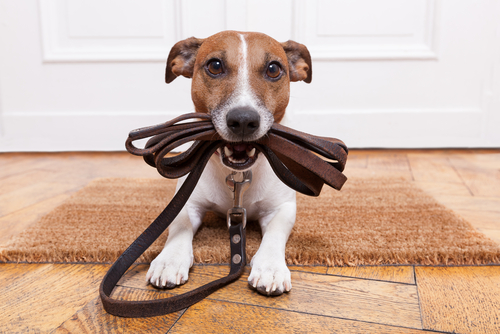


Dog and trainer working on obedience commands in a Boise park during training session

If you’re looking for a proven way to improve your dog’s manners and behavior, enrolling in a Boise obedience school for dogs is one of the smartest steps you can take. These structured programs help you and your dog work as a team—bringing clarity, consistency, and confidence every step of the way.

1. Correct Problem Behaviors with Dog Training in Boise

To begin with, bad habits like jumping on guests, excessive barking, or aggression toward other dogs or people can quickly become stressful. Fortunately, training provides structure and guidance to eliminate these problems. Without clear rules and reinforcement, many dogs end up in shelter situations.
However, a targeted program can convert a challenging dog into a well‑behaved companion with lasting results.

2. How a Boise Obedience School for Dogs Improves Safety

In addition to correcting behaviors, training is essential for safety. A dog that reliably responds to “sit,” “stay,” or “come” and can behave off‑leash is far less likely to bolt into traffic or chase after animals.
Moreover, training teaches your pup to listen in high‑distraction settings—something that’s critical for your peace of mind.

3. Build a Stronger Bond Through Obedience Training

Not only does training improve obedience, but it also deepens your relationship. Dogs naturally want to please their humans. Yet without proper training, misunderstandings can emerge—house rules go unlearned, and communication breaks down.
Thankfully, training fosters better understanding and mutual respect between you and your dog. For example, when your dog knows what you expect, you’ll both enjoy outings and quiet time more.

4. Improve Socialization with a Boise Obedience School for Dogs

Another benefit of formal classes is improved social behavior. If your dog struggles with meeting other dogs or reacts poorly in group settings, isolation isn’t the only answer. Instead, professional training addresses root causes and introduces positive social experiences.
Whether your dog is fearful, territorial, or simply out of practice, structured social interaction under supervision helps change the equation.

5. Why Obedience School for Dogs Also Stimulates the Mind

Equally important, dogs need mental stimulation to thrive—especially intelligent or high‑energy breeds. Training sessions engage their minds, which helps prevent boredom‑fueled behaviors like chewing furniture or digging.
Once core skills are in place, you’ll want to reinforce them at home with consistent practice, daily walks, and playtime to sustain the gains.


Our Approach to Dog Obedience Training in Boise

Of course, there are many trainers to choose from. However, you’ll want a provider that guarantees results and supports both the dog and the owner. At All Dogs Unleashed Boise, our method:

  • Uses a clear step‑by‑step process

  • Addresses the dog’s unique needs

  • Includes owner education to maintain progress

In other words, you’re not just being handed a trained dog—you’re being equipped to keep it that way long after the program ends. That’s why choosing a trusted Boise obedience school for dogs is so important—one that not only trains your pup but also empowers you to keep the training going at home.


Getting Started in Boise

So, if you’re ready to transform your dog’s behavior and enjoy every moment together, take the first step. First, you’ll meet with a trainer, talk through your goals and your dog’s current status, and decide on a plan that fits your lifestyle and budget.

Not sure where to begin? Contact Us and we’ll help you schedule your free consultation.

When you work with a Boise obedience school for dogs, you’re not just fixing issues—you’re building a better relationship with your dog that lasts.

For more on what to expect from group and individual classes, check out this helpful guide from the American Kennel Club.


Ready to see real results? Board & Train and get your dog on the path to success.


FAQ

Q1: What age should my dog start training classes?
A1: Dogs of virtually any age can benefit from training classes. Puppies might start as early as 8–12 weeks, while adult dogs may need classes when behaviors develop or change.

Q2: How long until I see results from training?
A2: Many owners notice improvements within a few weeks. However, lasting change depends on consistency at home. The program you choose and your commitment matter.

Q3: Are group classes enough, or do I need one‑on‑one training?
A3: That depends on your dog’s behavior. Basic obedience may do fine in group classes. On the other hand, significant issues (aggression, fear, chronic bad habits) often require individual or intensive Board & Train support.

Q4: Will training actually help my dog socialize with others?
A4: Yes. Proper training includes supervised socialization—teaching your dog to interact calmly and appropriately with other dogs and people rather than merely avoiding those situations.

Q5: What happens after formal classes end?
A5: Training is just the start. Therefore, you’ll need ongoing practice at home, regular outings, and reinforcement of skills to keep your dog’s good behavior stable over time.
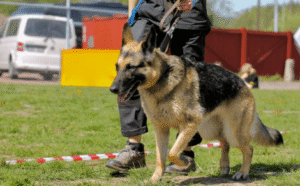
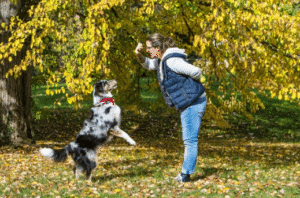
Dog showing raised hackles and stiff body posture during training session

Welcome to your guide on dog aggression training Boise, created specifically for local dog owners facing behavior issues like growling, lunging, or guarding. Our friendly, professional team at About Us understands how stressful this can be. That’s why we’re here to help you every step of the way.

Why Dog Aggression Training in Boise Matters

Aggressive behavior in dogs isn’t just a nuisance—it can be dangerous. For example, if your dog is showing signs like growling, snapping, or stiff body language, you need a targeted approach. Unfortunately, doing nothing or hoping it goes away often makes the problem worse.

Common Signs Your Dog Needs Aggression Training

Here are behaviors that clearly tell you it’s time for professional help:

  • Growling or snarling

  • Baring teeth or snapping

  • Lunging at people, dogs, or animals

  • Stiff body posture, raised hackles, intense staring

  • Resource guarding (food, toys, or space)

These signs may appear suddenly. However, they can also build gradually over time. That’s why early attention matters.

Types of Aggressive Behavior in Boise Dogs

Fear‑Based Aggression in Dogs

In some cases, your dog may react out of fear rather than dominance. This can be due to a lack of socialization, past trauma, genetics, or even underlying health issues. Therefore, identifying the root cause is essential.

Resource Guarding and Possessive Behavior

This happens when a dog aggressively defends food, toys, or space. Often, this stems from early competition, anxiety, or poor boundaries. As a result, it can escalate without proper intervention.

Territorial Aggression and How Training Helps

Your dog may try to guard your home or yard. In this case, they may act aggressively toward unfamiliar people or animals. Consequently, guests or neighbors may feel unsafe.

For more insights on the causes of aggression, check out this guide from the AKC.

Effective Dog Aggression Training Boise Solutions

When you’re dealing with serious aggression, a standard class often isn’t enough. Instead, here’s what works best:

  • Immersive Training (Board & Train): Your dog stays with a trainer around the clock for 2–4 weeks. This approach removes distractions and speeds up behavior change.

  • In‑Home Training: For milder cases, a trainer works with you in your home to manage and correct the behavior where it happens most.

In fact, our immersive programs offer the most effective dog aggression training Boise has to offer—combining structure, safety, and consistent results.

During either option, we also teach foundational obedience (sit, stay, come), leash skills, and address unwanted behaviors like barking or jumping. As a result, you gain a calmer, more manageable dog.

Why Early Dog Behavior Training Is Crucial

Aggression won’t usually go away on its own—and it can escalate quickly. By acting early, you protect your dog’s quality of life, your family’s safety, and the comfort of your neighborhood. In addition, early training prevents bad habits from becoming permanent.

Want to take early steps on your own? Learn how to prevent aggression with these tips from the AKC.

Why Work With Us

Our approach delivers real results. Because we’ve worked with hundreds of aggressive dogs, we understand what it takes to turn things around. Additionally, we provide local insight and trusted professional guidance.

Have questions about your dog’s behavior? Contact Us to speak directly with a Boise-area trainer.

Ready to see real results? Board & Train and get your dog on the path to success.


FAQs

Q: How long does aggressive dog behavior training take?
A: It depends on the severity and type of aggression. Many dogs improve significantly in 2–4 weeks with immersive training. However, in‑home programs may take longer.

Q: Is it safe to train a dog with biting or lunging history?
A: Yes—but it must be managed carefully under professional supervision. For example, the trainer will assess risk and avoid triggering situations during sessions.

Q: Will the training just suppress the behavior temporarily?
A: No—our goal is long-term behavior change. As a result, your dog learns to replace aggressive reactions with calm, controlled responses.

Q: What causes my dog’s aggression?
A: Often, it’s one or more of the following: fear, lack of socialization, genetics, pain, resource guarding, or territorial behavior. Therefore, a full evaluation is essential.

Q: Can I handle this myself with free online videos?
A: While online tips can help with mild issues, serious aggression requires a structured program. Otherwise, you risk worsening the behavior or missing hidden causes.

Dog practicing basic obedience commands in a Boise park with local trainer

Training your dog with Boise basic dog commands lays the groundwork for a safe, happy, and obedient companion. In this article, you’ll learn what each command means, how to teach it step by step, and how to use it effectively in real life with your dog in Boise’s neighborhood parks and trails.

Why Boise Basic Dog Commands Are Essential for Obedience

Teaching Boise basic dog commands gives your dog structure, confidence, and clarity. In addition, these commands help prevent safety risks, such as running into a street, and ensure better communication between you and your dog.
If you need professional help, our Board & Train program provides hands-on guidance to get fast, lasting results.

7 Must-Know Boise Dog Training Commands (and How to Teach Them)

1. Name Recognition for Boise Dogs

Your dog should respond enthusiastically to their name because this helps with focus and attention. To begin, use a “Name Game” exercise: call the dog’s name, reward when they look at you, and gradually add distractions. As a result, your dog will start associating their name with positive attention.

2. Sit – A Foundation Command in Basic Obedience

“Sit” gives your dog a basic position and implies a “stay” as you build duration.
How to teach it:

  • First, use a food lure to guide the dog into the sitting position.

  • Then, add the verbal cue “Sit.”

  • Over time, fade the lure.

  • Finally, train under the 3Ds: Duration, Distance, and Distractions.

Moreover, teaching “Sit” early helps with impulse control and manners.

3. Down – A Calming Basic Command

“Down” is a more challenging version of sit; however, it also implies a stay.

  • Begin from a Sit or lure from standing.

  • Next, add the verbal cue.

  • Gradually build duration and distance.

  • Always use positive reinforcement, because it helps your dog stay motivated.

Consequently, your dog learns calmness and patience.

4. Heel – Controlled Walking in Boise Dog Training

A dog that walks nicely beside you makes every outing safer and more enjoyable.

  • To start, practice pre‑heeling: reward walking next to you.

  • Then, use gentle collar guidance if needed.

  • After that, gradually add distractions and distance.

  • Finally, always reward compliance so your dog connects the behavior with good results.

In addition, consistent heeling builds trust between you and your dog.

5. Come – Reliable Recall for Boise Dogs

A strong recall can prevent dogs from danger; therefore, it’s one of the most important commands to teach.

  • First, use a fun Recall Game: call your dog, back away, and reward for coming.

  • Begin on leash, then gradually fade the leash.

  • Also, increase distractions slowly.

  • Always use high‑value rewards.

As your dog improves, practice in open areas for real‑life reliability.

6. Place – A Powerful Pause Button in Boise Basic Dog Commands

“Place” gives you a “pause button,” telling the dog to stay on a mat until released.

  • Initially, lure the dog onto a bed or mat.

  • Then, add the cue “Place.”

  • Reward for staying calm.

  • Over time, increase duration, distractions, and distance.

In short, “Place” is an excellent way to manage excitement and reinforce patience.

7. Leave It – Impulse Control Through Basic Dog Commands

This command teaches impulse control and safety around undesirable items.

  • Start with low‑value objects first.

  • Next, reward ignoring the item.

  • Gradually increase difficulty.

  • Above all, never force; always guide gently.

As a result, your dog learns to make good choices independently.
For more foundational training tips, visit this helpful AKC article on teaching basic commands.

How to Practice Boise Basic Dog Commands Every Day

To ensure success with Boise basic dog commands, practice in different environments—your backyard, local streets, or parks. Additionally, add distractions gradually to simulate real life. Always use positive reinforcement and consistency to strengthen your dog’s understanding.

For best results, try short daily sessions (5–10 minutes) to maintain engagement. Furthermore, combine commands in real sequences: for example, “Place,” then “Stay,” then “Down.”

With consistent practice, your dog will master Boise basic dog commands and become well-mannered in any situation — whether walking around Julia Davis Park or in your own neighborhood.

Ready to take it further? Consider Board & Train for intensive results.

If you have any questions or need help choosing the best training plan, Contact Us and we’ll guide you every step of the way.


FAQ

Q: How long does it take for a dog to reliably learn these commands?
It depends on the dog, consistency, reinforcement, and distractions. However, many dogs show reliable responses in 4–8 weeks of consistent practice.

Q: Should I train all commands at once or one by one?
Generally, start with Name Recognition and Sit. Once those are reliable, introduce Down and Come. Afterward, add Heel, Place, and Leave It gradually for best results.

Q: What if my dog fails to respond under distractions?
If that happens, go back a step: reduce distractions, shorten distance, and reward heavily. Then, rebuild before progressing again.

Q: Can I train in a public Boise park?
Yes, absolutely! However, begin in a quiet area. Only add public parks (like Ann Morrison or Camel’s Back) when commands are reliable in low‑distraction settings.

Q: Are treats the only reward I should use?
Not necessarily. You can also use praise, toys, play, and life rewards (like opening doors or walks) to reward compliance. In addition, variety keeps your dog motivated and excited to learn.

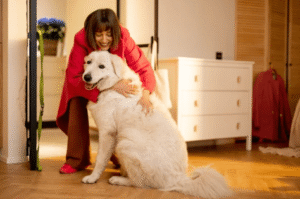
Woman calmly greeting large white dog in cozy Boise home

When visitors arrive, many dogs bark, jump, or dash to the door. In Boise, using Boise dog greeting training techniques can help your pup welcome guests calmly and confidently. This post walks you through steps you can start today to transform chaotic greetings into polite ones.

Why Boise Dogs Struggle with Greeting Behavior

Dogs often react when guests arrive because:

  • It’s novel or exciting

  • It breaks routine

  • It triggers anxiety or territorial responses

Without guidance, instincts take over—and that’s when barking, jumping, and charging the door start.

Step 1: Set Up a Calm Cue Spot for Visitor Greetings

First, teach your dog to go to a specific spot (a mat, bed, or “place”) when the doorbell rings.

  • To begin, use treats and repetition

  • Then, reward calm posture (lying down, sitting)

  • Finally, delay permission to greet

Over time, your dog learns that calm behavior—not excitement—gets reinforced.

Step 2: Boise Dog Threshold Training at the Door

Next, control the “zone” just inside the doorway.

  • For example, ask your dog to stay behind a barrier or line

  • Then, only let them cross when calm

  • In addition, practice this gradually

As a result, this teaches impulse control around entrances.

Step 3: Greeting Guests Politely with Boise Dog Greeting Training

Instead of free-for-all greetings, introduce structure.

  • First, let your dog approach guests only after calmness is confirmed

  • Additionally, discourage jumping by turning away or withholding attention

  • Lastly, praise polite greeting behavior

This approach turns greetings into earned privileges.

Pro tip: If your dog struggles with polite greetings or impulse control, our Board & Train program offers hands-on help from professionals who specialize in in-home behavior transformation.

Avoid These Common Greeting Training Mistakes

However, even good training can go sideways without consistency. Be sure to avoid these common pitfalls:

  • Inconsistency: Everyone must enforce the same rules

  • Rushing: Don’t allow greetings too early

  • Lack of reinforcement: Always reward calmness

Ultimately, consistent practice is what shifts reactive habits.

Create a Calm Boise Home with Proper Greeting Behavior

With Boise dog greeting training, your home can feel more peaceful. Visitors should feel welcomed—without chaos—by your dog’s relaxed demeanor.

If you host often, or just want stress-free dinners at home, you can make calm greetings the new norm.

For more tips on safe guest interactions, check out this guide to greeting dogs properly from the AKC.

Have questions or want personalized guidance? Contact Us — we’re happy to help.


FAQ: Boise Dog Greeting Tips

Q: How long does it take to teach calm greetings?
A: It depends on consistency and your dog’s temperament. However, many dogs show improvement in 2–4 weeks with daily practice.

Q: Should I use a leash when training greetings?
A: Yes — a leash helps control the initial interactions and prevents jumping or rushing. In addition, it gives you control over the situation.

Q: My dog still jumps on guests. What next?
A: Return to the calm cue spot and reinforce impulse control before reintroducing greetings. Eventually, consistency pays off.

Q: Can this work for multiple dogs?
A: You’ll need to train each dog individually first. Then, practice greetings together slowly for best results.

Dog and trainer walking near Boise foothills

Maintaining your dog’s training results after formal sessions is just as important as the training itself. Boise dog training maintenance is all about consistency — it helps your dog generalize obedience across new situations and strengthens trust in your leadership.

Why Boise Dog Training Maintenance Matters

Training isn’t a “one and done” process. Without deliberate maintenance, dogs can drift back into old habits. However, with a structured plan, you can keep the improvements you’ve worked hard to achieve.

1. Keep the Structure You’ve Built After Training

Dogs thrive on routine, clear expectations, and consistency. After training:

  • Use the same commands your trainer used to prevent confusion

  • Maintain calm-down zones, crate time, or “rest” space, especially when your dog needs to decompress

  • Enforce polite behavior (no jumping, no rushing doors, no barking) at all times

As a result, this consistency will cement long-term good behavior.

2. Daily Practice for Ongoing Obedience Training

Think of training as a muscle — it weakens without use. Therefore, to keep it strong:

  • Dedicate 5–10 minutes daily for quick training drills

  • Add short “punishment‑free challenges” (e.g. obedience amid distractions) to test retention

  • Integrate commands into normal life — for example, during walks, feeding time, or when guests arrive

In Boise, walk routes change and new triggers emerge. Because of this, keep your dog sharp by varying environments. For more insights, check out the AKC’s tips on successful dog training.

3. Stay Consistent with Behavior Boundaries

Even well-trained dogs may test limits once the formal sessions end. To avoid regression:

  • Stay firm, calm, and consistent in your responses

  • Don’t give in to whining, begging, or pushing for attention

  • Reinforce consequences — such as redirecting, using a timeout, or calmly ignoring the behavior

In other words, consistency shows your dog what’s expected without creating confusion. This doesn’t mean being harsh — rather, it means providing clear leadership.

4. Use Your Boise Dog Training Tools Wisely

If your dog learned with a leash‑based tool, e‑collar, or harness, don’t abandon it right away. These tools are effective communication aids — not punishments.

  • Continue using aids while your dog is still building reliability

  • Fade them gradually, but only when the dog consistently responds

  • Monitor for any signs of regression, and reintroduce tools if needed

As with all training, the goal is confidence — not dependence on tools.

5. Refresh Your Boise Dog Training Maintenance Plan

Even the best dogs benefit from checkups. That’s why regular follow-ups can make a huge difference:

  • Book quarterly tune-ups or join group classes to refresh skills

  • Use brush-up lessons to address specific problem areas

  • Reassess and adapt your training plan as your dog matures or your lifestyle changes

If you’re unsure how to stay consistent, our team can help guide your Boise dog training maintenance plan for long-term success. Contact Us for support or to schedule a follow-up.

6. Celebrate Progress and Stay Patient

Some new behaviors or environments will always challenge your dog. For that reason:

  • Stay patient with occasional mistakes or regressions

  • Set realistic expectations, especially in distracting situations

  • Celebrate small wins — even small improvements reinforce your bond and build confidence

Above all, remember that lasting transformation happens gradually — not overnight.

Ready for Lifelong Success in Boise?

Training may have ended — but your work is just beginning. With consistency, structure, and occasional refreshers, those hard-earned gains can last a lifetime. If you’re looking for expert help, check out our Board & Train program for reliable results.

Ready to see real results? Board & Train and get your dog on the path to success.


FAQ

Q: How often should I “refresh” my dog’s training?
A: A quarterly check-in or brush-up session is ideal. Even once or twice a year can prevent regression.

Q: Can I stop using training tools once my dog is reliable?
A: You can fade them slowly — but only when your dog is truly consistent. If issues re-emerge, reintroduce them.

Q: What do I do when my dog suddenly misbehaves again?
A: Return to basics. Reinforce structure, stay calm, reestablish boundaries, and consider a short refresher class.

Q: Is it normal for behavior to loosen over time?
A: Yes, that’s natural. Dogs may test limits or face new distractions. That’s why ongoing reinforcement matters.

Dog calmly waiting by front door in a Boise home during door dashing training

If your dog bolts through doors, it’s not just a cute quirk—it’s dangerous. Fortunately, with Boise door dashing dog training, you and your pup can learn boundaries, calmness, and trust at every exit.

Why Dogs Dash Out the Door

Many dogs develop the habit of rushing through doors for a variety of reasons. For example, some struggle with impulse control. Others act on curiosity or a strong chase instinct—especially when they see a squirrel or smell something new. Additionally, some dogs bolt due to fear, stress, or overstimulation inside the home.
As a result, what starts as random behavior often becomes a game—dash, get attention, repeat. However, in some cases, the behavior stems from anxiety or a flight response.

Dangers of Door Dashing Behavior in Boise Dogs

Running out unexpectedly puts your dog at serious risk. For instance, they could get hit by a car. Or, they might get lost or injured in unfamiliar areas.
Even worse, they may startle neighbors or wander into unsafe terrain. In Boise, where busy streets and open land are common, even a short dash can lead to major consequences.

How We Do Door Obedience Training in Boise

At All Dogs Unleashed Boise, we use structured methods to fix this behavior. Specifically, our door dashing dog training focuses on impulse control, boundaries, and consistent routines.

1. Impulse Control for Door Obedience

First, we teach your dog to pause, make eye contact, or settle before the door opens. This helps them build patience and wait for your lead.

2. Threshold Training to Stop Door Dashing

Next, we work on doorframe exercises. Over time, we increase distractions so your dog learns that doors are boundaries—not launchpads.

3. Teaching a Clear Release Cue at Doors

Then, we introduce verbal cues like “wait” or “stay.” After that, we teach a clear release word, so your dog knows exactly when it’s okay to move.

4. Family-Wide Consistency in Door Manners

Finally, we get the whole household on the same page. Everyone follows the same rules, which eliminates confusion and ensures reliable behavior.
For more techniques, check out this AKC guide on stopping door darting.

Creating Lasting Door Manners with Boise Dog Training

With a structured training plan, your dog learns that calmness brings rewards. As a result, you gain peace of mind—no more heart-pounding escapes through open doors.
Eventually, what once felt like chaos becomes a predictable, relaxed routine that your dog understands and enjoys.

Boise Training Programs to Stop Door Dashing

At All Dogs Unleashed Boise, we offer options based on your dog’s age and behavior level.

  • For young pups, our Puppy Training program helps prevent bad habits before they start.

  • For dogs with deeply rooted escape routines, our immersive Board & Train program builds long-term obedience.
    If you’re unsure which program fits your situation, Contact Us today—we’re here to help.


FAQ Schema

Q1: What is door dashing in dogs?
A1: Door dashing is when a dog quickly escapes through open doors, often driven by excitement, impulse, or chasing instincts. It poses safety risks such as traffic accidents or getting lost.

Q2: At what age should door dashing behavior be addressed?
A2: As early as possible—even in puppyhood. Early training during Puppy Training helps prevent door dashing from becoming a habit.

Q3: Can every dog learn to stop dashing out doors?
A3: Yes—with consistent training, clear cues, and reinforcement. Even dogs who are habitual are able to learn calmer behaviors.

Q4: How long does it take for door obedience to become reliable?
A4: It depends on the dog’s prior behavior, consistency at home, and training frequency. Many Boise pets show noticeable improvement in a few weeks with daily practice.

Q5: What should I avoid doing while training door manners?
A5: Don’t leave doors unguarded too early, avoid mixed signals (like sneaking your dog out), and don’t punish impulsive behavior—redirect and reward calm waiting instead.

Dog and trainer practicing heel at prominent Boise park

Boise basic dog obedience training is essential for every local dog owner. It builds trust, improves safety, and creates a stronger bond between you and your pup. In addition, starting early helps prevent unwanted behaviors before they become habits.

Why Boise Basic Dog Obedience Training Matters

First and foremost, teaching obedience gives your dog clarity and structure. As a result, they feel more secure and confident in everyday situations. Furthermore, it gives you peace of mind knowing your dog will respond when it matters most.

Essential Commands in Boise Basic Dog Obedience Training

Every Boise dog should know a few key commands. These not only encourage good manners but also ensure your dog’s safety in public or at home.

  • Sit – This command builds focus and helps manage your dog in busy settings. For example, it’s useful before crossing a street.

  • Stay – It teaches patience and control, especially around distractions. Moreover, it prevents accidents near roads or doors.

  • Come – This is critical for off-leash safety. In fact, it can be a lifesaver during unexpected situations.

  • Down – Encourages calm, relaxed behavior. Therefore, it’s great when guests arrive or during meals.

  • Leave It – Helps prevent your dog from picking up unsafe objects. Additionally, it strengthens impulse control.

  • Heel – Teaches your dog to walk politely beside you. As a result, your walks will become more enjoyable and less stressful.

Training Programs That Reinforce Boise Basic Dog Obedience

No matter your schedule, we offer programs that support your goals. Each is designed to reinforce Boise basic dog obedience training at a pace that suits your lifestyle.

Board & Train: Full-Time Boise Dog Obedience Training

Our Board & Train option is ideal if you’re busy or want faster results. Your dog stays with us and trains daily. Consequently, they return home with a solid foundation in obedience.

Day Training for Fast Boise Dog Obedience Results

If you prefer a shorter commitment, our Day Train Program offers intensive training sessions over three days. In this case, your dog gets high-level training while still coming home each night.

Private Obedience Lessons for Boise Dogs

For more personalized support, private lessons allow us to focus on your dog’s unique needs. For instance, we can work through specific behaviors or reinforce commands at your pace.

Why Choose All Dogs Unleashed Boise?

At All Dogs Unleashed Boise, we understand what local dog owners need. That’s why our training programs combine structure, trust, and proven techniques. Not only do we prioritize positive reinforcement, but we also make learning fun for both dogs and their humans.

For more guidance on behavioral challenges, check out this helpful ASPCA resource on pet behavior.

Ready to Get Started?

Explore our Board & Train program or Contact Us to schedule your dog’s training today. We’re here to help you every step of the way.


FAQs

Q: How long does it usually take to teach basic commands?
A: It depends on the dog’s age and consistency—but most dogs start responding within a few weeks of daily short sessions.

Q: Can I train multiple commands in one session?
A: Yes—short sessions (5–10 minutes) mixing commands like “sit,” “down,” and “come” help retention and keep training fun.

Q: My dog doesn’t obey when distracted—what now?
A: Increase training amid distractions gradually—start indoors, then move to calm outdoor settings before busy places.

Q: Should I use treats every time?
A: Start with treats for motivation, then phase in praise and affection to build long-term response.

Q: Is obedience training only for puppies?
A: Absolutely not! Dogs of any age benefit—whether you need a refresher or are starting new.

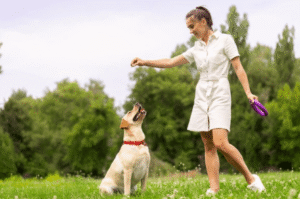
Woman training Labrador with treat in Boise park during stay and train session

If you’re looking for Boise stay and train dog training, you’ve come to the right place. Our immersive Board & Train program provides a structured, personalized environment where dogs thrive using proven positive-reinforcement techniques. Whether your pup struggles with leash pulling, jumping, anxiety, or general disobedience, our professional trainers are here to help.

What Is a Boise Stay and Train Dog Training Program?

A Stay and Train (also known as Transformation Academy) is a dog training program where your pup stays at a training facility for an extended period—typically 10 to 30 days. During this time, they receive one-on-one attention, daily structured lessons, and safe socialization.

How This Boise Dog Training Program Works

  • Daily personalized training sessions tailored to your dog’s behavior and learning style ensure fast progress.
  • Safe, structured environment that removes distractions and promotes consistency from day one.
  • Social exposure to other dogs, environments, and people improves confidence and adaptability.
  • Owner transfer lessons that equip you to maintain training at home for lasting results.

Therefore, this immersive model is ideal for Boise pet parents who are busy, overwhelmed, or need expert help solving persistent behavior problems.

Why Boise Stay and Train Dog Training Gets Faster Results

Many dogs struggle to learn proper behavior in the chaos of everyday life. That’s why our program focuses on structured repetition, hands-on training, and real-life application.

1. Repetition Builds Lasting Dog Obedience

First, we create a calm, consistent learning environment where your dog practices key skills daily—like sit, stay, heel, and place. As a result, this structure builds lasting muscle memory.

2. Real-World Dog Training in Boise Environments

In addition to indoor training, we work on leash walking in neighborhoods. Furthermore, we practice calm greetings in public places and reinforce manners in real-world scenarios.

3. Positive Reinforcement Dog Training Methods That Work

Importantly, our training is science-backed and rewards-based—no harsh corrections, no fear. Consequently, it’s effective and strengthens your relationship with your dog. For further support, learn more about behavioral help for pets from the ASPCA.

Common Behavior Problems Solved with Boise Dog Training Programs

From frustrating habits to serious issues, our Boise stay and train dog training covers it all:

  • Leash pulling and reactivity
  • Barking and jumping
  • Door dashing
  • Separation anxiety
  • Counter surfing
  • Resource guarding
  • Basic and advanced obedience

Therefore, if any of these sound familiar, you’re not alone. Not sure if your dog is a fit? Contact Us for a free consultation—we’re happy to answer your questions.

What Happens After Your Dog’s Boise Stay and Train Program?

We don’t just train your dog and send them home. Instead, our team walks you through everything your pup has learned with customized take-home instructions and private lessons. As a result, you’ll feel confident reinforcing commands and keeping progress on track.

Post-Program Dog Training Support for Boise Owners

  • Private transition lessons give you the tools to succeed at home.
  • Clear training guides make it easy to follow through.
  • Access to ongoing support helps address new challenges.
  • Optional tune-up sessions are available if extra help is needed.

Moreover, our support ensures long-term success beyond the initial training.

Is Our Boise Dog Training Program Right for You?

This program is perfect if:

  • You’re short on time and want professional help.
  • You’ve tried other training methods with little success.
  • Your dog needs focused work without at-home distractions.
  • You want long-term change, not short-term fixes.

In other words, if you’re ready for results, we’re ready to help.

Start Boise Stay and Train Dog Training That Truly Transforms

When you invest in professional training, you’re giving your dog a better future—and bringing peace back to your home. Ultimately, our program is trusted by Boise families for a reason: it works.

Ready to transform your dog’s behavior and bring peace to your home? Board & Train is your next step toward a well-mannered companion.


Frequently Asked Questions

Q1: What is a stay and train program?
A: A stay and train program is an immersive training experience where your dog stays with professional trainers and receives daily, hands‑on instruction tailored to their needs.

Q2: How long does the Boise Stay and Train program last?
A: Program length varies; it may be anywhere from 10 to 30 days depending on your dog’s goals and training tier.

Q3: Will I learn how to reinforce training at home?
A: Absolutely. The program includes private “Leader Transfer” lessons so you can confidently continue your dog’s training at home.

Q4: What behavior changes can I expect?
A: You can expect improvements such as better leash walking, reduced barking, calmness in public settings, and overall confidence and composure.

Q5: Can this help with serious issues like separation anxiety or leash reactivity?
A: Yes. Our immersive environment and custom plans allow us to work on advanced behavioral challenges with long-term success.

Boise dog obedience

How to Choose the Best Boise Dog Obedience School for Your Puppy

Finding the right Boise dog obedience school goes far beyond reading reviews online. While testimonials and star ratings are helpful, they don’t tell you whether a trainer’s methods are truly safe, age-appropriate, and suited to your dog’s unique personality. Especially when working with a young puppy, it’s essential to take a closer look at the training philosophy, approach, and involvement required from you.

So before enrolling, ask yourself the following:

  • Is this obedience school using safe, humane methods?

  • Does the trainer’s approach support my puppy’s development stage?

  • Can I apply these methods at home consistently?

  • Will this type of training help build a stronger bond between me and my puppy?

If the answer is yes across the board, you may have found the right dog trainer in Boise to guide you and your pup.

Understanding Dog Training Styles and Obedience Programs in Boise

What’s the Most Effective Puppy Training Method in Boise?

There’s plenty of disagreement about what makes a training method “best.” On one side, traditional trainers emphasize structure, control, and dominance. On the other, modern trainers use positive dog training methods based on praise, play, and clear communication.

While some balanced trainers combine both, most experts agree that for young puppies, positive reinforcement is the safest and most developmentally appropriate starting point. Not only does it build confidence, but it also creates a happy, cooperative learner from the beginning.

How to Identify Safe Dog Obedience Techniques for Puppies

When visiting a Boise dog obedience school, observe how the trainers interact with the dogs. Are they guiding behaviors with kindness, or correcting mistakes harshly? Ideally, the trainer should use redirection, rewards, and encouragement. These strategies are not only effective, but they also avoid the fear and anxiety that punishment-based techniques may cause.

Furthermore, be cautious of any school that promotes forceful tools like prong collars for puppies. Although they may have a role in limited cases with adult dogs, they are almost never appropriate for young, developing minds.

Choosing the Right Puppy Training Program in a Boise Obedience School

What Kind of Dog Training Method Works Best for Puppies?

Generally, puppies respond best to training sessions that are short, fun, and full of rewards. In fact, well-structured puppy training classes in Boise use frequent praise and clear, consistent commands to shape behavior. These classes keep your puppy mentally stimulated without overwhelming them.

If you have a working dog breed or a future gundog, you might wonder whether positive-only training will work. Fortunately, the answer is yes—at least until your puppy is 6–7 months old. At that point, more advanced training methods can be layered in if needed, based on maturity and drive.

How to Continue Boise Dog Training Techniques at Home

The best Boise dog obedience programs involve you in the learning process. While a trainer may work directly with your dog in the beginning, their ultimate job is to teach you how to train effectively at home. This matters because consistency is crucial to long-term success.

Moreover, practicing skills between sessions helps reinforce your dog’s learning and boosts your confidence. A quality trainer will give you simple, actionable steps to follow and provide feedback along the way.

How Boise Obedience Classes Help Build Trust With Your Dog

Will Positive Dog Training Methods Improve Your Bond?

Absolutely. Puppies crave structure and attention, and positive reinforcement training in Boise provides both. When your dog learns that following commands leads to praise or play, they begin to look to you for guidance. As a result, your relationship grows stronger over time.

However, if training relies on fear, confusion, or correction, the opposite can occur. Your puppy may become hesitant or anxious, making training more difficult and your bond less secure. This is why so many families choose gentle, relationship-based trainers.

How to Spot the Right Boise Dog Trainer During Interviews

Traditional vs. Modern Dog Obedience Training in Boise

Knowing what kind of trainer you’re talking to is critical. Traditional trainers might talk about pack order, control, and using tools to enforce obedience. On the other hand, modern certified dog trainers in Boise will likely emphasize consistency, reward timing, and proper reinforcement.

They may also encourage you to bring treats, use a clicker, or start with a no-pull harness instead of a collar. These signs often indicate a commitment to positive, fear-free training—and that’s a good thing for your puppy.

Not sure what type of help your dog needs? This guide explains the difference between dog trainers and behaviorists, so you can choose the right support.

Why It’s Worth Choosing a Certified Boise Dog Obedience School

Can Boise Dog Training Programs Fix Previous Behavior Issues?

Definitely. While it’s always easier to work with a puppy who hasn’t experienced poor training, don’t give up if your dog has had a negative experience. Many skilled dog behavior trainers in Boise can undo the damage of harsh methods through consistency and trust-building.

Even so, it’s important to be patient. Older puppies or rescues may take longer to regain confidence—but with the right support, real progress is possible.

What to Expect From a Quality Dog Obedience School in Boise

A top-tier Boise dog obedience school should provide:

  • Transparent communication about methods

  • Clear objectives for each phase of training

  • Guidance for owners, not just dogs

  • A plan for continued practice after the course ends

When all of these are in place, you’re more likely to succeed not just during class—but well beyond it.

Enroll in a Trusted Boise Dog Obedience Program Today

Whether you’re preparing your first puppy for polite manners or helping an older dog unlearn bad habits, choosing the right Boise dog obedience program is one of the most important investments you can make. With the right trainer, your puppy will not only learn faster—but you’ll also build a bond rooted in trust and understanding.

Looking for expert guidance? Visit All Dogs Unleashed Boise to explore our positive, professional dog training programs. We’re here to help you create a happy, well-behaved companion from day one.