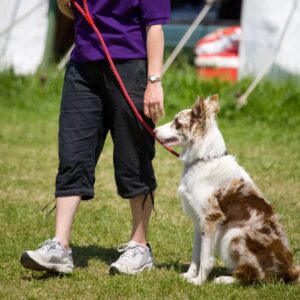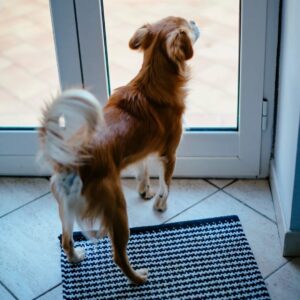


At All Dogs Unleashed, we help local pet owners master the best training commands every dog should know. Our expert trainers understand that obedience training is about more than commands—it’s about building communication, trust, and confidence between you and your pet. Every dog, regardless of age or temperament, can learn essential commands that strengthen your bond and make life easier for both of you.

Learning basic commands gives dogs structure and direction. With the right balance of positive reinforcement, consistency, and patience, you can teach your dog to respond confidently in any situation. Whether you want to improve manners, keep your dog safe on walks, or build desired behavior at home, structured training sessions set the foundation for long-term success. At All Dogs Unleashed, we guide local owners through every step of this process with proven methods and personalized support.

Why Learning Basic Commands Is Important

Teaching basic commands is an important part of your dog’s development. Dogs thrive on routine, clear expectations, and consistent communication. When you begin training with positive cues and rewards, your dog’s focus and understanding grow. Each essential command—such as dog sit, stay command, or come—teaches your pup how to act in real-world scenarios.

Pay attention to your dog’s head and dog’s nose during lessons—these cues reveal attention and curiosity. Always give them the treat as soon as they perform correctly and pair the reward with warm praise. Over time, your dog’s attention sharpens, and they begin to anticipate the correct response. Our All Dogs Unleashed trainers help pet owners interpret these signals and adjust techniques for faster, more reliable progress.

Why These 7 Commands Matter Most

These are the 7 essential commands every dog should know because they provide structure, safety, and balance. By start teaching these early, your dog learns to control impulses, focus around distractions, and communicate better with you. Once your dog understands these fundamentals, adding new commands becomes easier and more rewarding for both of you.

The 7 Essential Commands Every Dog Should Know

1. Sit

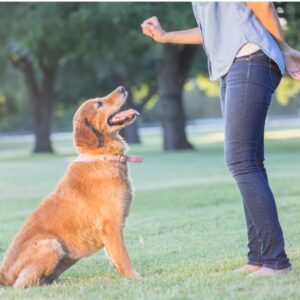
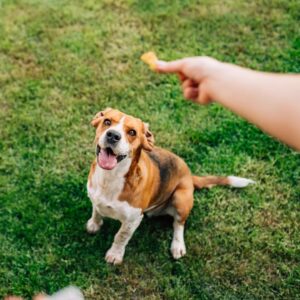
The dog sit command is the foundation of obedience. Hold a treat slightly above your dog’s head and move it back slowly until their bottom touches the floor. Once they sit, say “Sit,” then reward immediately. Repeat several times. Sitting teaches self-control and patience—two qualities that make future training sessions smoother. For extra motivation, incorporate your dog’s favorite toys as rewards for staying calm and focused.

2. Stay

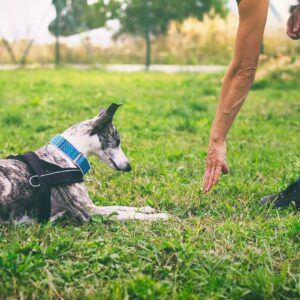
Ask your dog to sit, then raise your palm as a hand signal and say “Stay.” Take one step back, wait two seconds, then return to reward your pup. Gradually increase distance and distractions. The stay command builds control and safety, especially around doors, traffic, or other dogs. Always praise generously for holding position.

3. Come

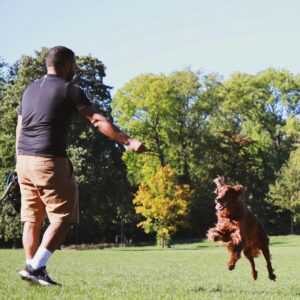
The recall or “Come” command is one of the most important commands for keeping your dog safe. Crouch down, use an upbeat tone, and encourage your pup to run to you. When they respond quickly, reward with praise, a treat inside your hand, or playtime. For most dogs, practicing recall strengthens trust and reinforces listening skills.

4. Down

From a sitting position, hold a treat inside your hand near your dog’s nose. Move your hand slowly to the floor and guide them into a lying position. When your dog’s body lowers completely, say “Down,” then reward. This essential command helps your dog relax in exciting environments and teaches calm behavior during distractions. Repeat daily to build muscle memory.

5. Leave It

The leave it command teaches your dog to ignore tempting items or food. Hold a treat inside your closed fist. When your dog looks away, say “Leave it,” and offer a reward from your other hand. Over time, increase difficulty by dropping a treat or toy and using the cue. This helpful skill encourages focus and impulse control, especially for most dogs who are naturally curious.

6. Heel

The heel command teaches polite walking on a leash. Hold a treat at your side and use a hand signal or verbal cue to guide your dog next to you. If they pull, stop walking until they return to position, then reward. Practicing heel improves coordination, patience, and teamwork between you and your pet. It’s one of the most helpful commands for enjoyable, controlled walks.

7. Wait

Before opening a door or crossing a street, tell your dog to “Wait.” Reward calm behavior and release them after a few seconds. Over time, extend duration and distractions. The wait command reinforces patience and control, helping your dog stay calm in high-energy situations.

Building Confidence and Strengthening Skills

After your dog masters the basics, add new training sessions that challenge them mentally and physically. Incorporate fun games like fetch, shake, or spin to keep learning exciting. You can also teach your dog helpful habits like “Quiet” to stop barking, “Lay,” or “Close Doors.” The key is to start teaching gradually and always end with praise or playtime.

At All Dogs Unleashed, we keep training creative and enjoyable for both dogs and owners. Our basic obedience training for puppies and customized training programs combine structure, motivation, and real-world practice to ensure long-lasting success. We work closely with pet parents throughout our service area to build confidence and trust through every step of training.

How to Teach Dog Basic Commands

1. Set Up for Success

Find a quiet, distraction-free environment where your pup can focus. Gather small, high-value treats for motivation. Keep training sessions short—no more than 10 minutes—and focus on one command at a time.

2. Use Clear Communication

Speak calmly and pair each command with a clear hand signal. Dogs learn best when they can associate a word, motion, and reward together. Always reward your dog immediately for good behavior to strengthen learning.

3. Read Your Dog’s Body Language

Pay close attention to your dog’s head, dog’s nose, and body posture. If they lose focus, pause and gently redirect their attention with a treat or cheerful tone. As you start teaching in new places, gradually increase distractions for steady improvement.

4. Keep It Positive

End each lesson with a win. Give them the treat, praise, or playtime after success. Keep things upbeat and short—dogs learn best when training feels like a game. Encouragement and positive reinforcement are the most effective ways to keep your pup confident and willing to learn.

5. Be Patient and Consistent

Progress comes with practice. Some dogs pick up commands quickly, while others need more repetition. Stay calm, repeat often, and celebrate small wins. Over time, your dog’s attention and response time will improve naturally.

All Dogs Unleashed Training Services

At All Dogs Unleashed, we provide comprehensive, results-driven dog training services designed for local pet owners who want lasting results. Our programs include one-on-one private lessons, board-and-train programs, and group obedience classes. Each service focuses on communication, structure, and positive reinforcement, ensuring your dog learns in a safe, encouraging environment.

Our basic obedience training for puppies is ideal for young dogs who need structure early, while our advanced training programs help mature dogs refine skills and improve responsiveness. Whether your dog needs to stop jumping, strengthen recall, or gain better leash manners, our trainers customize lessons for success.

We also educate owners on timing, leadership, and consistency—skills that make training effective long after classes end. Our goal is to help you and your pup develop confidence, focus, and clear communication that lasts a lifetime.

Schedule Your Dog’s Training Today

If you’re ready to see real change in your dog’s behavior, All Dogs Unleashed is here to help. Our professional trainers are passionate about helping local families build strong, trusting relationships with their pets. From mastering essential commands to improving behavior challenges, our proven system delivers real results.

Contact All Dogs Unleashed today to schedule your first training consultation. Together, we’ll help your dog reach their full potential—creating a calmer, more obedient, and happier companion for years to come.

As the weather cools, All Dogs Unleashed reminds local dog owners that autumn marks the start of the fall shedding season. This seasonal shedding is part of a dog’s natural process to replace their lighter summer coat with a thicker one for warmth. While completely normal, dog shedding can become frustrating if not managed properly.

Consistent care helps minimize loose hair, prevent matted fur, and avoid skin irritation. The right combination of brushing, bathing, and nutrition can keep your dog’s coat healthy and your home cleaner. If your furry friend is shedding excessively, consider scheduling a visit with a professional groomer. The team at All Dogs Unleashed offers expert grooming tips and professional grooming services designed to maintain healthy skin, balance natural oils, manage excessive shedding, and help dogs feel comfortable during the colder months ahead. With the right approach, you can keep your pet's coat shiny, healthy, and strong all season long.

Why Dogs Shed More in the Fall

As daylight shortens and temperatures drop, many dogs begin their seasonal shedding cycle. This natural process helps them transition from their lighter summer coat to a dense, insulating layer for winter. The change in daylight triggers hormonal shifts that prompt the body to release dead hair and grow new fur.

While shedding is normal, heavy shedding can worry some dog owners. In most cases, it’s simply part of your dog’s shedding patterns, but be mindful of skin issues like redness, hot spots, or excessive scratching. These can signal allergies, skin problems, or an imbalance of natural oils. If you notice these symptoms, schedule a grooming or veterinary checkup.

Double coated breeds, such as Golden Retrievers, Huskies, and German Shepherds, shed more visibly as they lose both layers of their coats. For these dog breeds, regular grooming, proper bathing, and good nutrition are essential to maintaining skin health and comfort. Dogs that shed consistently may also benefit from seasonal grooming adjustments to reduce shedding and maintain coat balance.

Brushing Techniques for Fall Shedding

Regular brushing is the first line of defense against seasonal shedding. It removes loose fur, spreads natural oils, and helps improve skin health. Brushing distributes your dog’s natural oils evenly throughout the coat, which enhances shine and keeps the fur moisturized while managing shedding. For most dogs, brushing two to three times per week is enough, but double coated dogs benefit from daily brushing during peak shedding. Use specialized grooming tools such as an undercoat rake or slicker brush to remove dead hair effectively.

Start by brushing gently in the direction of hair growth, focusing on areas like the chest, tail, and behind the ears where mats form easily. Always reward your pup after each session to make brushing a positive experience. If your dog’s fur tends to tangle or if they resist brushing, All Dogs Unleashed trainers can assist by helping your dog stay calm during grooming routines. This brushing process not only strengthens your bond but also supports a regular grooming routine that keeps hair loss under control.

Bathing Frequency and Coat Care

Bathing your dog regularly helps wash away loose hair, dead skin, and dirt that can trap allergens. During shedding season, aim to bathe your dog every three to four weeks. Use a mild, moisturizing dog shampoo that maintains natural oils without drying out the skin. Over-bathing can irritate your dog’s skin and increase shedding, so strike the right balance.

To enhance results, follow with a conditioner designed for coat health or deshedding. This will leave your dog’s coat soft and shiny while minimizing tangles. For professional-grade results, book an appointment with All Dogs Unleashed’s grooming services. Our team uses specialized products and tools that reach deep into the undercoat to remove dead hair and keep your dog’s fur healthy. Learn more at our dog bathing page.

Nutrition Tips for Healthy Skin and Coat

A dog’s diet directly impacts their coat quality and shedding levels. Nutrition rich in omega-3 and omega-6 fatty acids helps promote healthy skin and supports new hair growth. These nutrients also help regulate your dog’s natural oils, preventing dryness and improving coat texture. Foods containing fish oil, flaxseed, or salmon can improve coat texture and reduce dryness. Regular hydration is also key; always provide fresh water to prevent flaky skin and keep the coat glossy.

If your dog’s shedding seems excessive despite regular grooming, ask your veterinarian about supplements to support coat health. Combined with proper grooming, balanced nutrition can significantly reduce pet hair around the home and improve your dog’s comfort year-round.

Reinforcing Calm Grooming Habits Through Training

The fall shedding season is the perfect time to revisit your dog’s training, especially if they struggle during brushing or baths. Many dogs get anxious or restless when groomed, but structured guidance can help them stay calm and cooperative. At All Dogs Unleashed, our trainers specialize in helping dogs develop better grooming manners through confidence-building exercises and positive reinforcement.

Simple commands like sit, stay, and wait can make grooming more manageable. Our training programs include exercises that reinforce patience, impulse control, and focus. These skills make grooming less stressful for both pets and owners and create a smoother grooming process overall. Explore our training programs to help your furry companion feel more comfortable and confident during brushing and bathing.

Professional Grooming with All Dogs Unleashed

Managing dog shedding during the fall is easier with professional support. At All Dogs Unleashed, our expert groomers understand how grooming helps dogs adapt to seasonal changes and how it affects your dog’s coat and skin. We offer customized professional grooming services that target excess fur, matted fur, and dead hair, leaving your furry friend feeling clean, healthy, and confident.

Each grooming appointment includes a full brushing, bathing, and conditioning treatment using high-quality products designed to reduce shedding and promote healthy skin. Whether your pup needs a deep deshedding treatment or a simple bath, our gentle and effective approach ensures a stress-free experience.

In addition to grooming, we also provide guidance for ongoing coat maintenance and behavior improvement. Contact All Dogs Unleashed today to schedule your dog’s next grooming session and experience expert care that enhances both appearance and comfort.

Apartment living with a dog can be rewarding, but it also comes with responsibilities that every pet owner should take seriously. At All Dogs Unleashed, we work with dog owners across Dallas–Fort Worth to ensure their pets are respectful companions both indoors and in shared spaces. September is the perfect time to highlight the importance of dog etiquette for apartment life—especially as more communities adopt pet-friendly policies that still require good manners and accountability.

Why Dog Etiquette Matters in Apartments

Life in an apartment complex brings people, pets, and families closer together than in single-family homes. While this can be a wonderful environment, it also means that noise, odors, and pet behavior can affect many neighbors at once. Practicing dog etiquette isn’t just courteous—it’s essential to maintaining good relationships within your apartment community.

A well-mannered dog reduces stress for everyone. When pets are under control, neighbors are more comfortable, management receives fewer complaints, and your furry family member enjoys a happier, more stable routine. On the flip side, dogs that bark excessively or are not properly trained can create tension with other tenants and even risk lease violations.

Know Your Apartment’s Pet Policies

Every apartment complex has its own set of pet policies, and as a resident it’s your responsibility to follow them. Ignoring the rules could lead to fines or even eviction. Common rules may include breed or weight restrictions, pet deposits, vaccination requirements, and limits on the number of pets allowed.

Common Pet Policy Rules

Some frequent requirements in DFW apartment complexes include weight limits for dogs, monthly pet rent or deposits, proof of rabies vaccination, and leash requirements in shared hallways. It’s also common for leases to limit the number of pets per unit. Understanding these guidelines protects both you and your pet while avoiding conflicts with neighbors or management.

Noise Control and Barking

One of the most frequent complaints in any apartment community is noise, and excessive barking is often the culprit. Dogs may bark out of boredom, separation anxiety, or because they are overstimulated by the sounds of neighbors moving in the hallways. While some barking is natural, ongoing noise can disrupt others and may violate apartment pet policies.

Tips to Manage Barking

To reduce noise issues, provide your dog with daily walks and activities that release energy. Toys and puzzles are excellent tools to keep them engaged when you’re away. Calming background sounds can help mask hallway noise, and training commands like “quiet” are useful in teaching self-control. If barking persists, consider scheduling professional support to help manage barking and improve your dog’s behavior.

Leash Etiquette and Safe Exercise

Exercise is essential for apartment living dogs. Without a backyard, regular walks and outdoor access are the best ways to prevent boredom and destructive behavior. In shared spaces such as hallways, lobbies, and courtyards, leash etiquette is critical for the safety of both you and your neighbors.

Always keep your dog on a short leash when navigating tight areas. This prevents pulling, lunging, or unwanted greetings with other dogs or people. Remember that not all residents are comfortable around animals, and some dogs may not get along well with others.

Tips for Exercise in an Apartment Setting

Consistency is key. Walk your dog at the same times each day to establish a reliable routine. Use apartment complex dog runs or nearby dog parks for added play and socialization. Vary your routes to keep walks interesting, and always respect local leash laws to keep your pet under safe control. For more details on leash rules, check our guide to Leash Laws & Off-Leash Etiquette in DFW.

Potty Break Etiquette

Shared lawns, courtyards, and dog runs make apartment life more convenient for pet owners—but only when everyone does their part. Leaving waste behind not only creates unpleasant smells but can also spread disease and frustrate neighbors. Responsible owners always carry waste bags, dispose of them in the designated bins, and keep their dogs away from landscaped areas or entryways. A consistent potty training routine helps make outings predictable and stress-free.

Extra tip: establish a routine dogs can rely on for potty breaks. Taking them out at the same times each day reinforces potty training, reduces accidents inside, and helps your pet adjust to apartment life more comfortably.

Respect Shared Amenities

Many modern apartment complexes in DFW provide pet friendly amenities like dog parks, grooming stations, and even water fountains designed for pets. These perks are wonderful, but only if they are used responsibly.

Best Practices for Amenities

When using shared amenities, supervise your dog closely to prevent accidents and avoid rough play that could cause injury. Do not bring sick or unvaccinated dogs into communal areas, and clean up immediately to maintain hygiene. Being mindful of time and space allows every resident to enjoy these amenities comfortably. Respecting these resources encourages management to keep investing in features that benefit the whole community.

Additional Tips for Apartment Living with Dogs

Beyond the basics, there are small everyday habits that make apartment life smoother for dog owners. Create a consistent schedule for meal times, walks, and play so your pet feels secure. Provide plenty of mental stimulation through toys or training games to prevent boredom. If you’re gone for long hours, hiring a trusted dog walker can give your pet exercise and socialization. Always be considerate of neighbors in common areas, and practice patience as your furry friends adjust to the unique challenges of apartment living.

Why Training Makes Apartment Living Easier

Life in an apartment building is smoother with a well-trained dog. Obedience training helps reduce barking, improves leash skills, and promotes calm behavior in shared areas. Dogs that can relax around other pets and people are less likely to cause issues in close quarters. At All Dogs Unleashed, we specialize in tailoring training programs for apartment life, focusing on the unique challenges DFW residents face.

Why All Dogs Unleashed is the Right Partner

Our trainers understand the environment of apartment complexes and the expectations of property managers. Whether it’s addressing nuisance barking, teaching leash manners, or refining your dog’s social skills, our programs make city living easier. Learn more about our training programs designed to fit the needs of both you and your pet.

A Better Apartment Life with All Dogs Unleashed

Apartment living doesn’t have to be stressful when you and your dog work as a team. By following pet policies, practicing leash etiquette, and committing to regular exercise, you’ll create a safer environment for both you and your neighbors. Training ensures your dog’s behavior stays under control, making life in an apartment community smoother for pets, people, and property managers alike.

At All Dogs Unleashed, we know that every furry family member has unique needs. Whether you own a small dog adjusting to apartment life or a large breed that needs more outdoor access and routine walks, our trainers provide proper care, structure, and guidance. With the right plan, your dog gets enough exercise, mental stimulation, and consistency with meal times, routine dogs can rely on, and regular walks to prevent boredom and reduce noise levels.

Strong training also makes it easier to hire a dog walker, visit nearby parks, or enjoy pet friendly amenities without stress. Your pet becomes a respectful part of your apartment community, one who can socialize with other dogs, adapt to background noise, and live in harmony with humans and other tenants.

If you’re ready to give your dog the skills they need to thrive in an apartment setting, contact All Dogs Unleashed today. We’ll help you protect your investment in apartment living, improve your dog’s behavior, and create a happier life for both you and your furry friends. From hallways to lobbies and other common areas, our training prepares your dog to stay calm and respectful wherever apartment life takes you.


Dog owners across Texas know that our state’s wide-open spaces, warm climate, and variety of plants and wildlife make it a great place to live with pets. But those same features also bring risks. At All Dogs Unleashed, we focus on more than just obedience training—we want every furry family member to stay safe in their environment. From toxic plants in your backyard to poisonous foods on the kitchen counter, awareness is the first step toward protecting your dog’s life and health.

Why Awareness of Hidden Dangers Matters

Dogs experience the world with their noses and mouths, which often leads them straight into trouble. A curious sniff of a plant, a lick of something dropped on the floor, or a gulp of standing water at the park can have serious consequences. In Texas, the unique combination of climate, vegetation, and wildlife creates even more risks for pets. Common toxic plants like oleander grow in neighborhoods, while extreme heat, venomous snakes, and blue-green algae in local lakes add seasonal hazards.

Being aware of these threats helps pet owners take preventive steps. Teaching commands such as “leave it” and supervising dogs in yards, parks, and common areas can make the difference between a close call and a veterinary emergency. Preventive training paired with good awareness means you can enjoy apartment living, suburban neighborhoods, or country life while keeping your furry friends safe.

Toxic Plants in Texas

One of the biggest hidden dangers and sources of poisonous plants for dogs in Texas comes from plants that may seem harmless—or even decorative. According to the ASPCA, several species commonly found in Texas are highly toxic to dogs, and ingestion can cause anything from mild digestive upset to liver failure.

Yard & Garden Plants

In Texas yards and gardens, you’ll often find common plants that can harm pets:

  • Sago palm: Extremely toxic; ingestion can lead to vomiting, diarrhea, seizures, and liver failure.
  • Oleander (Nerium oleander): Every part of this plant is poisonous; can cause cardiac abnormalities.
  • Azaleas: Even small amounts can result in drooling, weakness, and low blood pressure.
  • Peace lily and snake plant: Can cause oral irritation, excessive drooling, and abdominal pain.
  • Aloe vera: Leads to vomiting, diarrhea, and skin irritation if chewed.
  • Fiddle leaf fig: Can irritate the mouth and digestive tract.
  • English ivy, California ivy, glacier ivy, sweetheart ivy, needlepoint ivy: Known to cause vomiting, diarrhea, and in severe cases neurological issues.

Wild Plants & Weeds

Beyond yards, Texas fields and trails hide more hazards:

  • Lantana camara: Ingestion can cause vomiting, depression, and weakness.
  • Wild mushrooms: Certain varieties can lead to seizures and neurological symptoms.
  • Castor bean: Contains ricin, a toxic substance that may cause even death if ingested.
  • Elephant ears: Causes irritation, appetite lethargy, and ingestion symptoms like vomiting.
  • Tiger lily and digitalis purpurea (foxglove): Contain cardiac glycosides, leading to serious effects such as irregular heartbeat.

Because dogs often explore in parks or neighborhood green spaces, most pet owners must watch closely to prevent accidental ingestion.

Symptoms of Plant Poisoning in Dogs

Signs of plant toxicity can vary depending on the plant but may include:

  • Drooling or foaming at the mouth
  • Vomiting and diarrhea
  • Weakness or appetite lethargy
  • Abdominal pain
  • Neurological symptoms such as tremors or seizures
  • Cardiac abnormalities or increased heart rate

Immediate veterinary care is critical if your dog has chewed or swallowed a toxic plant. In extremely important cases, poison control may advise how to induce vomiting, but always call a veterinarian first. The severity depends on the toxicity level, how much was ingested, and the dog’s size.

Dangerous Foods for Dogs

While plants present outdoor hazards, many of the most potential dangers come from inside the home. Dogs are quick to snatch food from counters, tables, or even guests’ hands, and some everyday ingredients are toxic to pets.

Everyday Foods That Harm

Some foods we enjoy can cause serious effects for pets:

  • Chocolate: Contains theobromine, which can lead to vomiting, vomiting diarrhea, rapid heart rate, and seizures.
  • Grapes and raisins: Even small amounts may cause kidney failure.
  • Onions and garlic: Can cause anemia and diarrhea loss.
  • Xylitol: A sugar substitute; can cause seizures, excessive thirst, and even death.

Holiday & Seasonal Foods

Special occasions often bring extra temptations:

  • Cooked bones: May splinter and cause internal injuries.
  • Fatty or fried foods: Can cause pancreatitis.
  • Alcohol and cannabis sativa products: Can depress the central nervous system.

Pet owners can reduce risks by keeping food out of a pet’s reach, securing trash bins, and asking guests not to slip treats to cats and dogs during gatherings.

Household Hazards

Beyond plants and foods, hazards often lurk inside and around the home. Everyday products that humans rely on can pose life-threatening risks to pets if not stored properly.

Indoor Risks

Common cleaning supplies, prescription medications, and even toxic substances like essential oils can harm pets. Ingestion symptoms may include vomiting, lethargy, and seizures. Always keep these away from furry companions.

Outdoor Risks

In Texas, pesticides, insecticides, and antifreeze are frequent toxic substances that pets may encounter. Antifreeze is especially dangerous—it’s sweet but extremely toxic. Symptoms include vomiting, lethargy, and increased heart rate. Immediate veterinary care is required if a pet ingests even a small amount.

Environmental Dangers in Texas

Extreme Heat & Dehydration

Summers in Texas bring scorching heat that may overwhelm pets. Without shade or water, dogs can collapse from heatstroke. Symptoms include panting, weakness, and excessive drooling.

Venomous Snakes & Insects

Encounters with rattlesnakes, copperheads, and cottonmouths can be fatal. Bites may cause swelling, pain, and serious effects such as organ damage. Poisoning from spider bites or scorpions can also trigger seizures.

Standing Water & Blue-Green Algae

Dogs that drink contaminated water may suffer poisoning from algae toxins, leading to vomiting, seizures, and even death.

Preventive Training and Safety Practices

Awareness is powerful, but training and preparation take safety to the next level. Teaching obedience commands helps avoid exposure to listed plants or harmful foods. Supervision is key—check your yard for toxic to dogs plants and keep pets safe indoors.

Daily habits such as exercise reduce curiosity-driven chewing. If you bring new plants into your home, always confirm they are not toxic to pets. Remember, the list covers hundreds of species, so when in doubt, research before planting.

At All Dogs Unleashed, our training programs help pet owners create routines that prevent suffering. From recall training to teaching “leave it,” our trainers ensure dogs avoid potential dangers.

What to Do If Your Dog Is Exposed

Even with prevention, accidents can happen. Here’s what to do:

  1. Remove your dog from the source immediately.
  2. Check for common symptoms like vomiting, diarrhea, or seizures.
  3. Call your veterinarian or a veterinary clinic for guidance.
  4. Contact poison control for advice on next steps.
  5. In severe cases, hospitalization may be needed to prevent even death.

Protecting Your Dog with All Dogs Unleashed

Texas offers a wonderful place to raise dogs, but hidden dangers are everywhere—from toxic plants and toxic foods to extreme heat and wildlife. By staying informed, pet owners can give their furry friends the best chance at a safe life.

Training is a key part of protection. At All Dogs Unleashed, we give dog owners the tools to build safer routines, protect their companions, and act fast in emergencies. If you’re ready to protect your dog from toxins and potential dangers, contact us today.

Summers in North Texas can be brutal for both people and pets. At All Dogs Unleashed, we’re committed to helping pet owners keep their dogs comfortable, healthy, and safe through the hot weather season. From hot pavement that burns paws to the risks of heat stroke, knowing how to protect your dogs in the North Texas summer is essential for every family with four-legged companions.

Safety Checklist for Pet Owners

  • Walk dogs in the early morning or late evening to avoid the hottest times of the day
  • Always carry fresh water and a portable bowl
  • Watch for warning signs like excessive panting or pale gums
  • Seek out shaded areas to keep your furry friends cool
  • Never leave pets in a parked car, even for a short time
  • Protect pet’s paw pads from hot pavement with dog booties or grassy routes
  • Provide air conditioning indoors or set up a cool area with fans and shade

Texas Heat Risks for Dogs

Hot Pavement & Surfaces

During the summer months, high temperatures can make asphalt dangerously hot. At just 86°F air temperature, asphalt can reach 135°F—hot enough to burn a dog’s paws within seconds. Use the “7-second rule”: press your hand to the ground; if it’s too hot for you, it’s too hot for your dog. Protect pet’s paw pads with dog booties or walk only on grass or shaded sidewalks.

Heat Stroke & Heat Exhaustion

Dogs cool themselves differently than humans, and their body temperature can rise rapidly in hot conditions. Heat stroke is life-threatening and can develop quickly.

  • Early signs: heavy drooling, excessive panting, lack of energy
  • Emergency warning signs: vomiting, diarrhea, collapse, pale gums

Move your dog to a cool area, offer small sips of cool water (avoid ice-cold water), and seek veterinary care. If symptoms persist, go to the vet immediately. Prompt medical attention can save your dog’s life.

Local Laws & Requirements

Texas Safe Outdoor Dogs Act

Texas law requires that outdoor dogs have constant access to shade, shelter, and fresh water. Violating this law can result in penalties and fines. This ensures dogs remain safe and protected in the most intense summer heat.

Dallas & Fort Worth Ordinances

Local ordinances require dogs kept outside to be protected from hot weather, provided with water, and safe shelter. Citizens are encouraged to call 3-1-1 if they see animals in heat-related distress. All Dogs Unleashed supports compliance with all pet welfare regulations to promote safety and responsible ownership.

Ozone Action Days in DFW

North Texas experiences Ozone Action Days from March through November. Ozone forms when emissions mix with sunlight on stagnant hot days. High ozone levels irritate the lungs of both humans and dogs. Flat-faced breeds, seniors, and dogs with health issues are at higher risk. On these days, avoid walking during peak afternoon hours and plan outdoor activities for the early morning or evening.

Dog Parks & Outdoor Activities

Dog parks are a favorite for exercise, but they can be risky on hot days. Choose shaded dog parks, bring fresh water, and limit playtime to mornings or evenings. Always supervise your furry friends to prevent heat-related illness. If you’re looking for safer mid-day enrichment, All Dogs Unleashed offers climate-controlled training and daycare solutions. Read our summer training safety tips.

Car Safety: Never Leave Pets

Leaving pets in a parked car can be deadly. Temperatures inside vehicles can rise rapidly, climbing nearly 20°F in 10 minutes. Even on a mild day, the interior can become life-threatening fast. Cracked windows do not help. Never leave pets unattended in vehicles. If you see a dog in heat-related distress, call 911 immediately.

Water Safety in North Texas

Summer means water play, but pet owners should watch for hazards. Blue-green algae blooms can be deadly to dogs if ingested. Avoid stagnant or scummy water, and always rinse dogs after swimming. Carry cool water so dogs don’t drink unsafe sources. At All Dogs Unleashed, we prioritize your dog’s well-being during all outdoor activities.

Summer Pests & Hazards

The summer months bring more than just heat. Mosquitoes are prevalent and carry heartworm, so prevention is critical summer long. Foxtails and grass awns can lodge in pet’s coat, paws, ears, or nose; check after hikes. Snakes, including copperheads, are active on North Texas trails; keep dogs leashed to prevent bites.

Grooming & Cooling Tips

Managing your dog’s fur coat helps them stay cooler. Do not shave double coats, but brushing removes excess undercoat and improves airflow. Light trims can help single-coated dogs. Use wet food for hydration support, drop a few ice cubes in their bowl, and provide cooling mats or fans to keep your pets cool.

Recognizing Heat-Related Illness

As temperatures rise, pet owners must stay alert for early signs of heat exhaustion or heat stroke. Lethargy, drooling, rapid heartbeat, and excessive panting may be followed by vomiting, collapse, or pale gums. Recognizing signs of heat-related illnesses is important for your dogs safety. If you notice any of these symptoms, move your dog to a cool, shady area, offer cool water, and seek veterinary care. If the pet’s body temperature does not come down quickly, go to the vet immediately for medical attention.

Keep Your Dog Safe This Summer

Navigating the hot weather of North Texas requires planning, knowledge, and care. All Dogs Unleashed is here to help keep your furry friends safe through expert training, indoor enrichment, and climate-controlled outdoor activities. With the right precautions, you can give your dogs an enjoyable summer while staying safe.

Contact All Dogs Unleashed today to learn more about our training, boarding, and grooming programs designed to keep pets safe all summer long.

Understanding leash laws & off-leash etiquette in DFW is critical for responsible pet ownership, especially in cities like Dallas and Fort Worth. At All Dogs Unleashed, we emphasize training and education that helps pet owners stay compliant with local ordinances and provide safe, enjoyable outings for their dogs. Whether you’re heading to a dog park or walking through your neighborhood, knowing the rules helps keep your dog and your community safe.

Why Leash Laws Matter

Leash laws are about more than just following city rules—they protect people, pets, and public parks. When dogs are properly restrained, it reduces the chances of:

  • Dog bites and aggressive encounters
  • Dogs running into traffic
  • Unwanted interactions with people or other animals
  • Property damage or disturbance

Failing to follow leash laws can result in citations, fines, or even your dog being impounded. More importantly, it can create unnecessary risks for everyone involved.

When a dog constitutes a public safety risk by acting aggressively or being loose, enforcement action is taken quickly. Not only is this a legal issue, but it’s also a matter of public trust and shared space. As a domestic animal, your dog’s behavior is ultimately your responsibility in public or private settings.

Dallas Leash Laws: What Pet Owners Need to Know

According to the Dallas City Code, all dogs must be confined to their owner’s private property or restrained on a leash when off the property located elsewhere. Pets are not allowed to roam freely. Unattended tethering is prohibited under both the Dallas City Code and Texas’s Safe Outdoor Dogs Act. A dog may only be tethered if the owner is outside with them, the tether is attached to a properly fitted collar or harness, and the dog has dog easy access to food, water, and shelter. Dogs must be able to sit, stand, and lie in a comfortable and normal position without restriction.

Key points from the Dallas City Code:

  • Pets must be restrained by a leash when off their property
  • Dogs must wear a current rabies tag and registration tag
  • Unattended tethering is prohibited under city and state law
  • Tethered dogs must have freedom of movement and proper care
  • Tethering on a motor vehicle is prohibited
  • The animal’s owner is responsible for proper restraint and identification

Dallas also emphasizes public safety through regular enforcement by an animal services officer. Dogs kept outdoors should remain in a fenced yard or other outdoor pen and not be tied by a device that harms the dog’s neck, restricts a dog’s harness, or applies pressure to the dog’s head. Any dog with a medical condition or injury should be evaluated and treated by a licensed veterinarian to prevent further harm. If you’re unsure about the legal requirements, your local animal welfare organization can help clarify Dallas’s leash and tethering laws.

Fort Worth Leash Laws: Staying Legal and Safe

The Fort Worth City Code makes it unlawful for a dog to roam loose. Dogs must be restrained by a leash, securely confined in an outdoor pen, or directly controlled by their owner. Voice control alone is not considered sufficient.

Fort Worth also prohibits unattended tethering. Dogs may only be restrained if properly fitted with a collar or harness, allowed at least 10 feet of movement, and provided access to shelter, food, and water. The owner must remain in immediate control. New pet parents adopting from an animal adoption agency should ensure they understand these Fort Worth rules before taking their dog outdoors.

Violations can result in:

  • Impoundment of your dog
  • Citations and fines
  • Legal action if your dog commits an offense such as biting or attacking

Off-Leash Sites in DFW

Designated off leash areas (also called dog parks) are the only places where dogs are legally allowed to run free under strict supervision. The Park Board manages and maintains these areas to ensure safety and cleanliness. Any off leash site established by the city must meet safety guidelines and be registered with the city.

Keep in mind:

  • Your dog should be fully vaccinated and wearing tags showing current rabies status
  • Clean up any dog excreta immediately in a sanitary and lawful manner
  • Never bring a dangerous dog or one with a history of aggression
  • Keep your female dog in heat at home
  • Owners are liable if their dog commits an offense that results in injury or damage

Even in a designated off leash area, a person commits an offense if they fail to control their pet or neglect to supervise them properly. Allowing a dog’s escape or failing to step in when a dog digs aggressively are common red flags.

Off-Leash Etiquette Every Pet Owner Should Follow

Being at a dog park doesn’t mean letting go of all responsibility. Practicing good off-leash etiquette ensures a safe, enjoyable experience for everyone.

Best Practices:

  • Ensure your dog responds reliably to recall and maintains visual and voice control
  • Don’t allow your dog to dig or damage property
  • Leave toys that encourage possessiveness at home
  • Monitor interactions—step in if play gets too rough
  • Don’t bring more than three dogs per person
  • Keep your dog within visual and voice control at all times
  • Provide plenty of water and rest breaks to prevent overheating
  • Respect service animal guidelines when visiting public parks

Dog access to off-leash parks is a privilege, not a right, and should be treated with respect. If your dog commits an offense, such as attacking or injuring another domestic animal, the consequences can be serious.

Where Dogs Can and Cannot Be Off-Leash

While dog parks and off leash sites established by the city allow for safe play, other public areas do not. Dogs may not be off-leash in retail pet stores, restaurants, sidewalks, or playgrounds unless specifically permitted. Pet owners who ignore these restrictions risk citations and fines. Following these limits helps ensure that off-leash privileges remain available in designated safe spaces.

Train Your Dog the Right Way with All Dogs Unleashed

Training is the foundation of responsible pet ownership, especially if you want to enjoy off-leash freedom. At All Dogs Unleashed, we specialize in:

  • Obedience training for on- and off-leash behavior
  • Teaching recall and voice control
  • Preparing dogs for off-leash sites and public spaces

A well-trained dog under strict supervision is not only safer but also more welcome in public areas. Our trainers work with you and your dog to build reliable behavior, whether you’re walking through your neighborhood or visiting a public park. From respecting local ordinances to ensuring compliance with Texas Health and Safety Code requirements, we equip pet owners to succeed.

Ready to give your dog the freedom they deserve while keeping your community safe? Contact All Dogs Unleashed today and let us help you turn your dog into a confident, obedient companion—on or off the leash.

Choosing the right type of dog training can feel overwhelming for many dog owners. At All Dogs Unleashed, we offer both a structured board and train program and personalized in-home private lessons to meet the needs of different dogs and lifestyles. This guide explores the benefits of each type of training, what kind of dog parent each might fit best, and how to make the best decision for your family.

What is a Board and Train Program?

A board and train program allows your dog to stay at a professional training facility for an extended period, often around two weeks or more. During this dog stay, your pet is immersed in daily routines, obedience work, leash manners, and behavior modification under the supervision of a professional trainer.

Benefits of Board and Train

  • Consistency: Dogs are actively training throughout the day with a qualified trainer.
  • Socialization: Exposure to other dogs and structured environments helps reduce fear and build confidence.
  • Efficiency: Many dogs learn new skills faster in a structured program than in casual settings.
  • Convenience: Ideal for dog parents who have a busy schedule or limited time.

Who is Board and Train Best For?

  • Pet parents needing support with complex behavioral issues.
  • Families with small children who want a calmer, well behaved dog quickly.
  • Doberman owners or guardians of high-energy breeds who need stronger boundaries.
  • A new dog or rescue needing consistent, professional guidance to adjust.

Our board and train program gives your dog the chance to learn in a focused environment while you benefit from professional support.

What is In-Home Training?

In-home dog training provides personalized private lessons in the environment where your dog’s behavior matters most—your home. A dog trainer works directly with your immediate family so everyone learns how to teach and reinforce the desired behaviors.

Benefits of In-Home Training

  • Real-world practice: Dogs learn obedience in the same rooms and yards where issues occur.
  • Family involvement: Every dog parent participates in training sessions.
  • Flexibility: Lessons are built around your schedule and daily routine.
  • Comfort: Perfect for dogs nervous around other dogs, group settings, or travel.

Who is In-Home Training Best For?

  • Pet parents who want to be hands-on with each training class.
  • Dogs with mild behavior issues specific to the home.
  • Families in a rural area looking to improve recall or leash manners.
  • Owners who want a collaborative, personalized approach to training.

Our in-home dog training program ensures you and your family learn directly alongside your dog for lasting results.

Comparing Board and Train vs. In Home Training

Both programs are highly effective, but they work in very different ways. Understanding these differences helps you choose the right fit.

When Board and Train is the Best Bet

If your dog’s behavior requires structure and consistent supervision, a board and train program is often the strongest option. Dogs live at the training facility for several weeks, working daily with a reputable trainer who is experienced in behavior modification. This setup eliminates distractions, providing intensive focus on leash manners, obedience, and correcting more serious behavioral issues.

When In-Home Training is the Better Choice

If you want to be part of every lesson and see how progress looks behind closed doors, private lessons are a great fit. Training in the home allows the trainer to address problems exactly where they occur. You’ll also learn how to continue training sessions after the dog trainer leaves, creating consistency across your immediate family. This option is ideal for pet parents who want to be hands-on and see gradual, steady results.

Shared Benefits of Both Approaches

Both board and train and one on one lessons rely on professional training led by a good trainer. They can help your own dog become well behaved, learn new skills, and strengthen your bond. Whether you want the convenience of a train program that runs while you manage your busy schedule, or the interaction of private lessons, both programs are designed to set your dog up for success.

Lifestyle Scenarios and Best Fit

Families with Young Children

Dog parents with small children may prefer a board and train program for safety and faster results. The immersive setting helps the dog return home calmer and better prepared to interact safely with kids. Best fit: Board and Train.

Busy Professionals

A dog parent juggling a busy schedule may find the immersive train program more effective. The consistency of multiple training sessions daily ensures progress even when the owner can’t be home. Best fit: Board and Train.

Rural Families

A family in a rural area may get more value from in-home private lessons focusing on recall and leash work. Practicing directly in wide open spaces helps dogs learn boundaries and safe off-leash behaviors. Best fit: In-Home Training.

New Dog Owners

A dog parent with a new dog could begin with one on one lessons sessions before moving to group classes. This helps build a foundation in a familiar space before introducing the dog to distractions like other dogs. Best fit: In-Home Training.

What to Look for in a Trainer

When choosing between programs, consider:

  • Is the trainer a qualified trainer with proven results?
  • Does the train program avoid heavy reliance on a shock collar?
  • Do they have experience with dog sports, group environments, and advanced behavior modification?
  • Are group classes or a dog training class offered as follow-up support?
  • Do they communicate openly, or are there red flag signs of avoiding questions?

For complex behavior issues, some dog owners may also consult a veterinary behaviorist for guidance alongside structured training.

Keep Your Dog on the Right Track

At All Dogs Unleashed, our reputable trainers guide pet parents through proven programs designed for lasting success. We focus on helping you raise a well behaved dog through effective, customized training, whether that means board and train for a few weeks or private lessons in your home. With the right support, your dog will learn new skills and better behaviors that enhance your everyday life.

Start your training journey with us today and discover the difference a trusted trainer can make.


You love your dog, but her bad behavior is more than a little troubling. Not only does it cause your stress to go through the roof, but it might even threaten her safety and the safety of others. What can you do to say goodbye to the unwanted habits and hello to her good dog era? We’re here to share the building blocks of great dog behavior. Discover the changes you can make to see better results, from structured play to our Dallas dog training classes.

Make Use of Your Dog’s Playtime

Playing provides a great opportunity for your dog to burn some energy and bond with members of your household. It also provides an opportunity to set some boundaries and encourage better behavior. Playing is a high-reward activity for most dogs. In other words, they feel good about it, they want to do it, and they’ll pay attention when it is withheld. That means you can and should engage when your dog is exhibiting desirable behaviors and disengage when she is exhibiting undesirable behaviors.

For example, let go of a tug rope or ball and turn away from your dog if she’s jumping on you. Only resume playing when she has stopped jumping on you. With repetition, she will learn that she gets what she wants (active play time) only when she isn’t doing something inappropriate (jumping).

Don’t Forget to Work Your Dog’s Mental Muscles

You’ve probably heard that some “bad” behaviors are the result of boredom and excess energy. Chewing inappropriate items is a prime example of sensory seeking and boredom curing gone wrong. Why is your dog still acting this way even when you play hard and take long walks?

Physical energy isn’t the only thing you need to burn. Direct your dog’s attention in a positive way, make use of her instincts, and burn mental energy with things like treat puzzles, lick mats, and scent hunting. This is a great way to add some novelty and stimulation to your dog’s life and will likely tire her out more effectively than exercise alone.

Assess Your Dog’s Aggravation Scale

Some unwanted behavior is meant to be communicative. For example, your dog may growl or snap if you try to take certain toys away or approach her food. This is called resource guarding, and signals that for some reason, your dog doesn’t always feel safe and secure.

Pay close attention to what’s going on when your dog acts out. You may discover specific triggers or even warning signs of health problems. The more you understand what’s aggravating your dog, the more equipped you are to address the problem head on.

Incorporate Professional Training

Dog training is more complex than it might seem, especially when you’re working with a scared or stubborn dog. You may find that it’s helpful to learn from a professional or outsource your dog training entirely.

At All Dogs Unleashed, we’ve helped hundreds of families reach their training and behavioral goals. We offer Dallas dog training classes, at home training, and board-and-train programs to meet your unique scheduling needs. Learn more about ADU training today.

Many pet owners lately have found themselves needing to quickly and effectively train their dogs to cooperate and behave. At All Dogs Unleashed, we offer an one on one lessons program that allows owners to be more involved throughout the training process.

Our in-home dog training DFW services allow you to enjoy each of the benefits that come with our training methods designed specifically for your goals. All of our trainers are highly qualified and work with you to train your dog while achieving the same results your pooch would achieve at one of our professional facilities

When you sign up for our at-home training program, we will come to your home for two training sessions. Each of these sessions is scheduled two weeks apart, allowing you time to practice what you and your dog have learned between the two of you.

Private sessions such as these, create an environment for the best possible learning experience. When your dog has mastered the basics, we will work with you to train your dog to walk off-leash and avoid distractions. We will also teach you how to halt any unwanted behavior from your dog and maintain obedience around all other animals and people he/she encounters.

Each of our skilled trainers helps you and your dog learn how to accomplish specific training goals. Following the private lessons through this program, we will continue to offer unlimited follow-up for your dog’s life.