


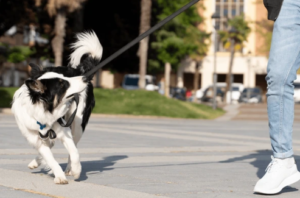
Dog lunging on leash during walk in downtown Boise

Boise leash reactivity training is more important than most dog owners realize. For example, many pups seem calm at home but turn into a barking, lunging ball of energy once the leash goes on. As a result, daily walks become stressful rather than enjoyable. If that sounds familiar, you’re not alone — leash reactivity is one of the most misunderstood behavior issues in Boise.

What Is Leash Reactivity in Dogs?

Leash reactivity happens when a dog overreacts to a trigger while on a leash — such as other dogs, people, or even cars. Typically, it can look like:

  • Barking or growling
  • Lunging or pulling
  • Whining or freezing
  • Tail tucking or hackles raised

These behaviors are often rooted in fear, frustration, or a lack of socialization. However, unlike off-leash interactions, dogs on a leash feel trapped, which can dramatically increase their stress.

Why Boise Dogs Need Leash Reactivity Training

In Boise, we love our outdoor lifestyle — and that means your dog encounters a variety of triggers on every walk. Because of that, even a short stroll can feel overwhelming for an under-socialized or untrained pup. For instance, crowded trails, cyclists, and other dogs behind fences can quickly raise anxiety levels.

Key local factors include:

  • Close proximity to other dogs in parks like Ann Morrison Park or the Boise Greenbelt
  • High foot traffic in Boise’s popular dog-friendly areas
  • Owners unknowingly reinforcing bad habits by pulling the leash or reacting nervously

As a result, your dog starts to associate walks with conflict or overstimulation. Therefore, the behavior worsens over time if not addressed properly.

Common Causes of Leash Reactivity in Boise Dogs

Leash reactivity isn’t about dominance or control. Instead, it’s usually a stress response that builds over time. Let’s look at a few common causes:

  • Frustration: Your dog wants to interact but can’t, which builds tension.
  • Fear or anxiety: Often caused by a traumatic event or lack of proper socialization.
  • Learned behavior: When reactivity “works,” your dog repeats it.
  • Inconsistent training: Without a clear structure, dogs struggle to make good decisions under pressure.
  • For a deeper understanding, check out this AKC article on leash aggression. It breaks down the psychology behind leash-based behaviors.

Boise Leash Reactivity Training: How to Fix the Problem

Thankfully, leash reactivity can be improved with the right plan. However, it’s not just about stopping barking — it’s about replacing bad habits with calm, confident behavior. That’s why a structured program like Board & Train can provide the consistency and clarity your dog needs.

Proven Techniques for Reactive Dog Training

Here’s what works best:

  • Neutral exposure: Gradually introducing triggers in a controlled, positive way
  • Clear commands: Teaching your dog exactly what to do in stressful situations
  • Desensitization: Slowly reducing reactivity by creating new associations
  • Owner training: Showing you how to read your dog’s body language and intervene calmly

If you’re starting with a puppy, Puppy Training is essential. Early socialization and structure can prevent reactivity before it starts. In fact, many leash problems are completely avoidable with proper puppy guidance.

With professional Boise leash reactivity training, your walks can become calm, controlled, and enjoyable again. Even if your dog has been reactive for years, improvement is possible with the right tools.

Signs You Need Professional Dog Leash Behavior Training

Not all dogs need professional help — but some clearly do. For example, if your dog is pulling to the point of choking or lunging unpredictably, it’s time to bring in a pro. In many cases, experienced trainers can resolve behaviors faster and more safely than DIY methods.

You should consider help if:

  • Your dog’s reactivity is getting worse over time
  • You’ve tried online tips but nothing is improving
  • You feel anxious every time you grab the leash
  • Your dog’s outbursts are putting others at risk

Because your relationship with your dog matters, investing in expert help can make a life-changing difference. Therefore, if you’re ready to regain control and peace of mind, Contact Us today.


FAQ

What is leash reactivity in dogs?
Leash reactivity is when a dog overreacts to triggers like people, dogs, or bikes while on a leash. It often looks like barking or lunging.

Why is leash reactivity common in Boise?
Because Boise is full of dog-friendly spaces, pups are exposed to more triggers than in quieter areas. Without training, that can lead to overstimulation.

Can leash reactivity be cured?
Yes. While it takes time and consistency, leash reactivity can be significantly reduced — or even eliminated — with the right training.

Is a Board & Train program good for leash reactive dogs?
Absolutely. A Board & Train provides focused, immersive training that helps dogs reset and relearn calm behaviors.

Can puppy training prevent leash reactivity?
Yes — starting with Puppy Training lays the groundwork for confident leash behavior and reduces future problems.

Dog calmly walking with owner in busy Boise park during behavior training

Learning how to help your pup stay focused outside your front door is part of Boise dog public behavior training. For many dog owners, a calm, well‑mannered pup at home turns into a distracted mess in public. However, that’s not stubbornness — it’s context‑specific behavior. Fortunately, this can be addressed with the right experience and dog behavior training in public.


Why Dogs Need Behavior Training in Public Spaces

Dogs don’t instinctively apply lessons learned in one environment to another. At home, your dog may sit, stay, and walk politely because the space is familiar and predictable. However, when you change the environment — whether it’s a busy Boise trail, downtown sidewalk, or pet‑friendly patio — everything feels new again. As a result, your dog faces a flood of sights, smells, and sounds that can overwhelm their focus. (AKC.org)

How Public Environments Impact Dog Behavior

  • Distractions: Other dogs, people, and noises compete for your dog’s attention.

  • Safety Zones: At home, dogs feel secure and relaxed. In contrast, public spaces can make them feel alert and defensive.

  • Stimulus Overload: New locations offer more to see, hear, and smell. Consequently, your dog may not respond to familiar commands. (betterpet.com)

Why Dog Behavior Training in Public Is Often Inconsistent

Lack of Generalization

Most dogs associate cues like “sit” and “stay” with the home environment where they were first taught. Because of this, they may not understand those same cues apply in new places.

How Inconsistent Dog Training Affects Public Behavior

Training done only in your house doesn’t prepare your dog for real‑world situations. Without exposure, they don’t learn to listen when the environment changes.
In fact, without consistent dog behavior training in public, even well‑trained dogs may ignore commands once they’re outside the home.

For more insight on common issues like this, check out this helpful ASPCA guide on dog behavior problems.

Anxiety or Excitement

New places can raise a dog’s energy or stress levels. Some dogs, for instance, become overexcited. Others, however, may feel anxious. Either way, these emotional changes can lead to behavior that seems out of character.

Building Confidence Through Dog Behavior Training in Public

Practice Beyond Home

First, begin in quiet outdoor spots like calm parks. Then, slowly introduce more distracting environments like trails or patios. This way, your dog builds focus at every level.

Dog Behavior Training in Public Should Happen Everywhere

For long-term success, teach commands like “come,” “sit,” and “leave it” in multiple locations. That way, your dog understands they apply everywhere — not just at home.

Reward Focus

Additionally, use high‑value treats or enthusiastic praise. This positive reinforcement tells your dog that good behavior always pays off — even in public.

How Boise Training Supports Dog Behavior in Public

Boise is full of dog‑friendly parks, patios, and trails. However, these fun spots are also packed with distractions. Because of this, structured training is key.
Our programs are designed to make dog behavior training in public simple, practical, and effective — no matter your dog’s age or breed.

When Training Is Tough

If progress stalls, don’t worry. In that case, working with a professional can make all the difference. Programs like Board & Train offer immersive training that builds consistency fast.


Want More Support?

Whether you’re starting fresh or just need a tune‑up, we’ve got your back. Our customized Puppy Training and adult dog programs are built for real‑life results.

In addition, we offer one‑on‑one guidance to fit your dog’s personality and behavior goals. Have questions? Contact Us — we’re ready to help.


FAQ

Q: Why does my dog ignore me more in public than at home?
A: Dogs learn behaviors in specific settings. So, without consistent practice in public, they may not generalize obedience cues outside the home environment.

Q: Can a shy or anxious dog improve their public behavior?
A: Yes — through gradual exposure, confidence building, and positive reinforcement. Eventually, public behavior becomes more reliable.

Q: How long does it take for a dog to generalize training?
A: Every dog is different. However, with consistent practice in different settings, progress comes faster.

Q: Do real‑world distractions really make that big a difference?
A: Absolutely. In fact, unfamiliar sights and smells often compete with your commands unless your dog is trained to handle them.

Q: Should I work with a trainer if public behavior doesn’t improve?
A: Yes. Often, professional trainers spot patterns and apply solutions more quickly. That’s why structured help can save you time and frustration.

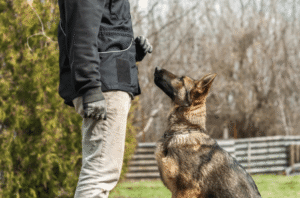
Boise dog trainer giving calm command to German Shepherd at local park

If you’re a Boise dog owner dealing with aggressive dog behavior, this guide will show you how training can help. Whether your dog has become fearful, defensive, or simply overwhelmed, we’ll walk you through the process of understanding the root causes. Additionally, we’ll show how professional training can provide a path to peace of mind.


What Causes Aggressive Dog Behavior in Boise Dogs?

Understanding what’s behind your dog’s aggression is the first step in resolving it. Several key factors often play a role:

1. Past Abuse or Neglect

Dogs with traumatic histories often develop aggressive behavior to protect themselves. For instance, a dog rescued from an abusive home may lash out to feel safe. As a result, building trust is essential.

2. Anxiety or Stress

Unmanaged stress can trigger aggressive behavior in dogs, especially after major life changes. Therefore, reducing stressors is a top priority.

3. Fear-Based Dog Aggression

Fear is one of the most common causes of aggressive dog behavior. In many cases, a frightened dog sees aggression as its only option. Consequently, exposure therapy with positive reinforcement can help.

4. Frustration and Confinement

“Barrier frustration” is a common source of reactivity and aggression. When dogs feel trapped, they may redirect their energy into aggressive outbursts. Thus, structured activity and space are key.

5. Breed-Driven Behavior

Some dogs have strong protective instincts that can appear aggressive without training. However, proper structure can help manage this natural drive.

6. Poor Socialization

Dogs that aren’t socialized early often react aggressively to new people or pets. Because of this, social exposure should begin as early as possible.

7. Learned Aggressive Behavior

Dogs sometimes repeat aggressive actions if they’ve learned it gets results. Therefore, consistent correction and redirection are critical.

Learn more about aggression in dogs from the AKC.

Boise Aggressive Dog Training: Rule Out Health Issues First

Before starting training, rule out medical causes that could influence aggressive dog behavior. Pain, hormonal imbalances, neurological issues or dietary factors may contribute to aggressive behavior. Therefore, it’s important to consult your veterinarian to ensure all health bases are covered. In turn, this helps training efforts succeed.

Effective Dog Training Options for Aggression in Boise

When aggression is severe, these solutions can help:

  • In-Home Training for Aggressive Dogs in Boise
    Work with your dog at home to manage their triggers in real-world settings. This approach keeps your dog in familiar surroundings and allows for real-time feedback.
  • Boise Dog Behavior Boot Camp for Aggression
    A structured stay with a trainer can help reset dangerous behavior patterns. As a result, your dog experiences consistent routines and expectations. In addition, your dog receives intensive support and socialization.

This level of training is intensive but often the best route when your dog is at risk of surrender or exclusion due to behavior. Ultimately, it offers your dog the best chance at lasting change.

Why You Need Professional Help for Aggressive Dogs

  • A trained behavior specialist gives your dog clear structure, consistent signals and safe exposure. In turn, your dog learns how to respond calmly and predictably.
  • You receive coaching so you can continue progress at home—training doesn’t stop when sessions end. Additionally, you gain tools that support long-term success.
  • You create an environment in your Boise home and community where your dog can be successful—less stress for everyone. For example, simple routines can help reduce triggers and anxiety.
  • You’ve taken proactive action, which can reduce the chance of escalation or irreversible consequences. Therefore, early training is often the best solution for aggressive behavior.

Need advice on which program is best for your dog? Contact Us and let’s talk through the right next step.


Final Thoughts on Treating Aggressive Dog Behavior in Boise

With the right support, you can transform even serious aggression into calm, obedient behavior. Every dog deserves the chance to live peacefully—and you deserve the confidence to enjoy your time together again. After all, a well-trained dog is a happy dog. Ultimately, the first step begins with action.

Ready to see real results? Board & Train and get your dog on the path to success.


FAQs About Aggressive Dog Training in Boise

How long does training take?
Most aggressive dogs show progress within 2–4 weeks with the right plan and consistency. However, follow-through is essential.

Can aggressive dogs really improve?
Yes. With structure and expert help, many aggressive dogs become safe, calm companions. In fact, most dogs just need clear guidance.

What types of aggression do you handle?
We address leash reactivity, fear, barrier frustration, and both dog and human-directed aggression. Additionally, we work with multi-dog households.

Is boot camp required?
Not always. Severity determines the plan—Contact Us to discuss your dog’s needs. We’ll guide you through the best option.

Should I try to fix it myself?
Aggression can be risky to handle alone. Therefore, professional guidance ensures safety and results. Instead of guessing, work with a pro who understands behavior.