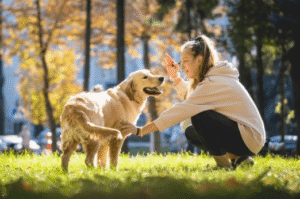


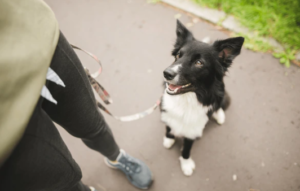
Dog distraction training Boise helps your pup stay calm and attentive, even when surrounded by food carts, crowds, and busy sidewalks. As a result, your dog becomes easier to manage in any public setting. In a city like Boise, there are endless dog-friendly trails, patios, and parks — but they also come with plenty of distractions. Therefore, teaching focus through real-world distraction training is essential for safer, more enjoyable outings. With the right approach, you can build a stronger bond and better behavior, no matter where you go.
Why Dog Distraction Training Matters in Boise
Boise is full of wonderful places for dogs. However, that also means your dog faces constant distractions. When pups fixate on every smell, skateboard, or passerby, walks turn chaotic and training stalls. Instead, focus training teaches your dog to choose you over everything else in the environment. Consequently, both of you enjoy outings more peacefully.
How Dog Distraction Training Boise Works
Turn Real Distractions Into Training Opportunities
City training isn’t about quiet indoor classes — it’s about preparing your dog for real life. Rather than avoiding stimulation, we introduce it gradually and intentionally:
-
First, start in moderately busy places where your dog notices people and sounds
-
Then, use cues like “watch me” and reward calm eye contact immediately
-
Finally, increase the distraction level gradually as your dog improves
In this way, your dog learns that staying focused brings rewards. Ultimately, they start choosing attention over distraction.
Boise Dog Distraction Training in the Real World
Training inside a facility is only the first step. To truly prepare your dog, you need to practice where it matters most: public trails, patios, and Boise sidewalks.
For example, a dog trained only indoors may panic at a skatepark or food truck rally. By contrast, dogs who’ve practiced outside stay calm in real-life situations.
If you’re just getting started, our Board & Train program provides structured, real-world practice with professional guidance. This makes it easier to get results that last.
Focused Dogs Are Better Behaved in Boise
Dogs trained to focus in busy environments don’t just behave better — they feel better too. In fact, you’ll quickly notice improvements like:
-
Greater confidence in new situations
-
Less reactivity to other dogs, bikes, or people
-
Faster recovery from sudden triggers
-
Stronger engagement with their owner
As a result, focused dogs are calmer, safer, and more enjoyable companions on any Boise adventure.
For more insight, check out this AKC guide to fitting dog training into a busy life.
Professional Dog Distraction Training Programs in Boise
Training in a city full of distractions can be tough on your own. Therefore, our expert trainers use proven techniques to guide your dog step by step.
Whether you’re working on Puppy Training or improving adult behavior, we tailor sessions to your dog’s needs. In addition, we focus on real-world results that translate to better behavior wherever you go.
For expert help and results that stick, Contact Us to get started.
Ready to see real results? Board & Train and get your dog on the path to success.
FAQ
What is dog distraction training in Boise?
Dog distraction training Boise helps your dog tune into you, even in busy environments with lots of distractions like parks or patios.
Can I start distraction training at home?
Yes! Initially, begin in quiet spaces, then gradually move to more distracting environments like sidewalks or dog-friendly areas.
Will this help with reactivity?
Absolutely. By building focus, your dog learns to ignore triggers and respond more calmly.
Is real-world training better than in-class?
Yes — because it prepares your dog for situations they’ll actually face outside your home.
How can I get professional help?
Our Board & Train and Puppy Training programs offer hands-on guidance customized for Boise dogs.