


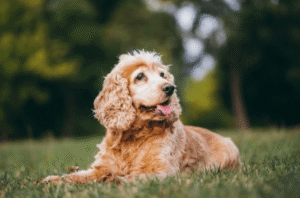
Why Boise Senior Dog Training Matters for Older Dogs
If you’re looking for Boise senior dog training, you’re in the right place. As our dogs enter their later years, they face changes in mobility, hearing, vision, and cognition. However, with gentle training, consistent mental stimulation, and low‑impact exercise, your older dog can continue learning and thrive in their golden years.
For many owners, senior dog training is about more than obedience. In fact, it’s a path to a better quality of life. Even as dogs age, they benefit from structure, engagement, and attention.
Gentle Boise Training Tips for Senior Dogs
How to Be Patient with Senior Dog Training
Older dogs may take more time to learn. Therefore, stay calm and consistent with your cues. For example, use a soothing tone of voice and offer praise generously.
Short and Frequent Boise Dog Training Sessions
Senior dogs tire more quickly. As a result, shorter, frequent sessions are far more effective than long ones. Ideally, train in 5–10 minute blocks throughout the day.
Focus on Low‑Impact Movements
To protect joints and muscles, opt for soft activities. For instance, try slow-paced walks or indoor scent games. Additionally, avoid jumping or high-impact commands.
Stimulate Their Mind
Just like humans, older dogs need brain work. Consequently, games like “find it” or puzzle toys can reduce boredom. In addition, they strengthen your dog’s problem-solving skills.
Reinforce the Basics
Even if your dog already knows sit or stay, repetition is key. Moreover, these basic commands help manage new age-related behaviors and provide clear communication.
Adapt to Sensory Changes
When senses decline, training needs adjustment. For example, replace verbal cues with hand signals. Furthermore, gentle taps or vibration collars can improve focus and understanding.
Personalized Boise Dog Training Plans for Aging Dogs
Every senior dog is unique. Therefore, personalized training matters more than ever. Our Board & Train program offers flexible solutions tailored to your dog’s age, energy level, and ability.
-
One-on-one coaching allows you to progress at your dog’s pace.
-
In addition, social group settings provide gentle interaction without overstimulation.
-
As a bonus, activities like scent work or trick training offer enrichment without physical strain.
-
Most importantly, you’ll gain the tools and confidence to support your dog at home.
For additional ideas on improving your older dog’s well-being, check out this helpful AKC guide on senior dog quality of life.
If you’re unsure where to begin, Contact Us to speak with a local Boise trainer about the best senior dog training options for your pup.
FAQs
Q: How old is a “senior dog”?
A: While different breeds mature differently, dogs around seven years old are typically considered seniors. However, larger breeds may show aging signs earlier.
Q: How long should senior training sessions last?
A: Aim for short bursts of 5–10 minutes, multiple times a day—this helps manage fatigue and maintain focus.
Q: What mental activities are safe for a senior dog?
A: Try puzzle toys, scent games, soft retrieval, or gentle trick training. Always prioritize low impact and avoid overstimulation.
Q: How can I handle hearing or vision loss during training?
A: Use hand signals, light touch, or vibration-based cues. Slow transitions and familiar environments also help reduce confusion.
Q: Can older dogs learn new behaviors?
A: Absolutely—seniors may learn more slowly but still benefit from training, mental engagement, and positive reinforcement.