


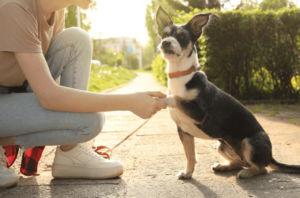
Small dog giving paw to trainer on a quiet Boise sidewalk during fearful dog training session

Many Boise dog owners struggle with reactivity — barking, lunging, or fearful behavior when their pup sees other dogs, people, or new environments. Fortunately, fearful dog training Boise offers a proven path to help your dog become calm, confident, and well-behaved. As a result, you’ll both enjoy walks and outings again.


Why Fearful Dogs React — And Why It’s Not “Bad Behavior”

Reactivity is often misunderstood. In fact, what looks like aggression is usually fear, insecurity, or overstimulation. Therefore, your dog isn’t being stubborn — they’re simply trying to cope with something that feels overwhelming.

For example, common triggers include:

  • Other dogs on walks
  • New people or environments
  • Loud noises or fast movements
  • Past trauma or lack of socialization

Instead of punishing these reactions, the goal is to gently change how your dog feels in those situations. That’s why working with a professional trainer is so important.


Fearful Dog Training Boise: Positive, Proven Techniques That Work

At All Dogs Unleashed Boise, we use science-based, force-free methods to help dogs overcome anxiety and learn better responses. As a result, our approach builds lasting confidence and trust.

Our process includes:

  • Desensitization & Counter-conditioning: We gradually introduce triggers in a way your dog can handle — and pair them with positive experiences like treats and praise. Consequently, your dog begins to associate those triggers with good things.
  • Confidence-Building Exercises: We use simple tasks and games that teach your dog to focus and succeed, even in distracting situations. In turn, this reduces fear-based responses.
  • Calm Behavior Training: Rather than barking or lunging, your dog learns alternative behaviors like sitting, making eye contact, or calmly checking in. Eventually, these responses become second nature.
  • Controlled Exposure: We practice in safe, structured environments before tackling real-world scenarios. This way, your dog is set up for success.

If you’re looking for immersive help, our Board & Train program provides expert-led, daily reinforcement that helps dogs make faster progress. Above all, it’s designed to build lasting change.


Real Results from Boise Reactive Dog Training

We’ve helped countless families in Boise turn stressful walks and fearful outings into relaxed, happy experiences. As a result, their dogs can calmly enjoy parks, neighborhoods, and even busy sidewalks.

Whether your dog is reactive to other dogs, strangers, or noises, we meet them where they are. Then, we guide them step-by-step toward confident, calm behavior.

In addition, no two dogs are the same. That’s why we customize every training plan based on your dog’s personality and needs. By using real-world scenarios and positive reinforcement, we ensure results that last.


Getting Started with Fearful Dog Training Boise

If your dog struggles with reactivity, now’s the time to take action. After all, the earlier you start, the sooner your dog can feel confident and safe in the world around them.

If you’re struggling with a reactive or anxious dog, fearful dog training Boise gives you the expert support needed to change behavior for good. With our help, your dog will learn to feel safe and stay calm even in triggering situations.

For additional guidance, the AKC offers a helpful article about working with fearful dogs.

Ready to take the next step? Contact Us for a free consultation, and let’s create a training plan that brings peace back to your walks.


FAQs About Reactive Dog Training

Q: Can my reactive dog ever be “normal” around other dogs?
A: Absolutely. With the right training and time, most reactive dogs learn to feel calm and safe around triggers.

Q: Is punishment a good way to stop reactivity?
A: No. Punishment can increase fear and damage trust. We use positive methods that build confidence and lasting change.

Q: How long does training take?
A: It varies. Some dogs improve in weeks; others need several months. A Board & Train option can speed up results with daily expert coaching.

Q: Is reactivity common in Boise?
A: Yes! Boise’s active, dog-loving community means more exposure to triggers. That’s why local training support is so important.
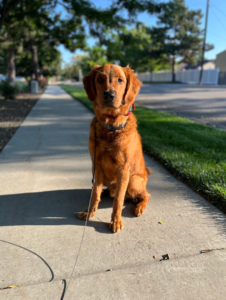
Dog sitting calmly in downtown Boise during leash training

Many Boise dog owners instinctively pick up their dogs when they bark, hoping to calm them down — but Boise dog barking training shows this response can actually reinforce the behavior and lead to long-term issues. Instead, structured training and calm redirection lead to lasting change.

  • Primary Topic: Why picking up barking dogs reinforces unwanted behavior

  • Boise SEO Keyword: Boise dog barking training

  • SEO Title: Why You Shouldn’t Pick Up Your Dog When They’re Barking – Dog Training Boise Tips


Why Picking Up Reinforces Dog Barking Behavior in Boise

If your dog barks and your first reaction is to scoop them up, you’re not alone. Many pet parents in the Treasure Valley do this without realizing they’re unintentionally encouraging the behavior. Boise dog barking training focuses on teaching calm responses, not rewarding noisy ones.

Picking up your dog during a barking episode can actually make the behavior worse — especially if the barking is driven by fear, excitement, or attention-seeking. Instead of helping, you’re signaling that barking earns cuddles, not correction.

1. Boise Dog Barking Training: Stop Reinforcing the Behavior

When your dog barks and you pick them up, you’re rewarding the action. That simple lift reinforces the idea that barking gets them what they want — whether it’s your attention, affection, or a break from something uncomfortable.

Instead, teach your dog that silence and calm behavior bring the reward.

2. Dog Training Boise Tip: Reduce Dependence and Anxiety

Picking up your dog can cause over-dependence. Dogs that are always comforted when stressed may never learn how to self-soothe or process triggers on their own.

For example, if your small dog barks every time another dog walks by and you always pick them up, they’ll start to associate other dogs with fear — and barking with rescue.

3. How Barking Affects Dog Obedience Training in Boise

Dogs bark to communicate — fear, frustration, excitement, or uncertainty. If you interrupt this with physical comfort, you’re not teaching them to cope or respond differently. You’re just masking the behavior without solving the root cause.

4. Boise Dog Training Insight: Barking Can Increase Reactivity

Some dogs become more anxious or reactive when picked up during barking. Being lifted removes their sense of control, especially if they’re barking from fear. This can escalate the behavior or even lead to defensive nipping.


Better Boise Dog Barking Training Strategies

Dog Training Boise: Use Commands, Not Comfort

Train your dog to respond to cues like “quiet”, “leave it”, or “place” instead of rewarding the barking. For persistent habits, consider a Board & Train program for faster results.

Reward Calm Behavior, Not Barking

Only give attention or affection when your dog is relaxed. Mark and reward silence to reinforce what you want.

Dog Barking Triggers Boise Owners Should Watch For

Is your dog barking at people, sounds, or dogs on walks? Understanding the trigger is the first step toward fixing it.

Give Your Dog a Job to Reduce Excess Barking

Mentally stimulated dogs bark less. Use puzzle feeders, sniff walks, and obedience routines to redirect excess energy.

Professional Dog Training Boise for Problem Barking

Sometimes barking stems from deeper behavioral issues. A structured Board & Train program can help reset unwanted habits and teach long-lasting obedience.


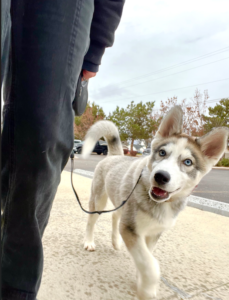
Boise dog trainer helping dog focus outdoors

Real-Life Boise Training Success

At All Dogs Unleashed Boise, we’ve helped dozens of local dogs break the barking habit using calm leadership and clear communication. Whether it’s neighborhood noise, leash reactivity, or general anxiety, the key is giving your dog structure — not scooping them up.

Want to learn more about how our team can help your dog? Contact Us for a free training consultation.


FAQ — Barking & Training Support

Why does my dog bark so much at home?
Barking at home is usually caused by boredom, outside triggers, or lack of boundaries. Training and environmental control help reduce it. Learn more from AKC’s guide to excessive barking.

What should I do instead of picking up my barking dog?
Redirect with a command like “quiet” or “place,” then reward silence. This teaches your dog that calm behavior gets attention.

Is barking always bad?
Not always. Barking is a normal behavior. But excessive barking often signals unmet needs, anxiety, or learned habits that require training.

Can barking be fixed with exercise?
Yes — physical and mental stimulation reduces barking caused by boredom or pent-up energy.

Should I ignore my dog’s barking?
If the barking is for attention, yes — but pair it with rewarding quiet moments and clear communication through training.