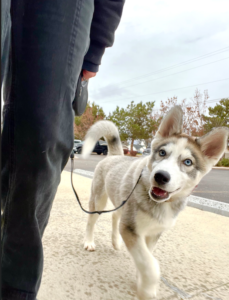


Dog training session in Boise with happy Labrador walking calmly on leash through a park

Why Dog Socialization Training in Boise Matters

Boise dog socialization training is the foundation for a calm, confident dog. Whether you’re walking the Greenbelt, grabbing coffee downtown, or visiting a Boise dog park, your dog should be able to handle new sights, sounds, and social encounters without stress.

However, without proper socialization, dogs can become fearful, reactive, or overwhelmed by new environments — making outings a struggle instead of a joy.


How Dog Training in Boise Builds Social Skills

Socialization teaches your dog how to process the world with confidence. It’s not just about playing with other dogs — it’s about exposure to life.

For example, well-socialized dogs are more likely to:

  • Stay relaxed around crowds and noise
  • Greet people and dogs politely
  • Adapt easily to change or travel
  • Focus better during training sessions

As a result, repeated positive experiences help your dog learn what’s safe and how to respond calmly.

For extra support, check out the ASPCA’s guide to behavioral help.

Positive Exposure Through Boise Dog Training

Boise offers endless opportunities to socialize — but it’s important to do it right. In fact, successful socialization focuses on quality, not just quantity.

Here’s how to start:

  • Choose low-pressure environments like quiet trails or open parks
  • Reward calm behavior with treats and praise
  • Visit dog-friendly patios to expose your dog to new sights and sounds
  • Let your dog observe before engaging — avoid forcing interactions

Additionally, it’s important to watch for signs of stress and give your dog space. After all, confidence comes from feeling safe, not overwhelmed.

Why Professional Socialization Training Helps

If your dog struggles with new experiences, working with a trainer makes the process smoother, safer, and more effective.

At All Dogs Unleashed Boise, we offer:

Structured Socialization Support

To begin with, guided sessions expose your dog to controlled environments, people, and dogs to build trust and calm responses.

Programs for All Ages

Our Puppy Training sets the stage early, but we also help adult dogs build confidence through ongoing socialization.

Customized Training Plans

Most importantly, every dog is different — so we tailor sessions to your dog’s needs and pace.

You can also explore AKC training programs for structured activities to support your training at home.


Best Places to Practice in Boise

Boise is full of ideal locations to reinforce socialization skills. For instance, these popular spots offer varied experiences:

  • Ann Morrison Park’s Dog Island – Large off-leash area with open space and water
  • The Boise Greenbelt – Moderate foot and bike traffic to build calm focus
  • Downtown patios – Great for practicing behavior around strangers and sounds

Therefore, start slow, keep sessions short and positive, and gradually build exposure.


Real Progress Starts Now

Imagine walking your dog through a busy park or downtown Boise without stress — just calm, happy confidence. Fortunately, that’s the result of effective socialization.

Ready to see real results? Board & Train and get your dog on the path to success.

Need help getting started? Contact Us to speak with a Boise trainer today.


FAQ

Q: How early should I socialize my puppy?
A: As early as 8 weeks. In fact, early exposure helps prevent fear and anxiety later in life.

Q: Can older dogs still benefit from socialization?
A: Absolutely. In addition, adult dogs can gain confidence and reduce reactivity with the right guidance.

Q: What if my dog is nervous in public?
A: Start small, build trust, and work with a trainer for safe, slow progress.

Q: Is socialization part of a Board & Train program?
A: Yes — socialization is a core part of our Board & Train services in Boise.
Calm dog walking on leash in downtown Boise with owner

Fix Common Behavior Problems with Boise Dog Training Services

If you’re looking for Boise dog training services, you’re not alone. In fact, many local dog owners experience challenges like barking, leash pulling, jumping, or anxiety. Fortunately, these issues are common and, more importantly, they are highly trainable. With the right approach, dogs can learn better behaviors quickly and clearly.

At All Dogs Unleashed Boise, we focus on structured, professional training. As a result, dogs learn faster and owners feel more confident. Most importantly, training is done without stress or confusion, which helps behaviors stick long term.


Most Common Issues Solved by Boise Dog Training

Behavior problems often start small; however, without guidance, they can escalate quickly. That’s why early training is so important. Below are the most common behavior concerns we help Boise dog owners overcome every day.

1. Leash Pulling and How Dog Training in Boise Helps

Your dog should walk with you, not pull ahead. For that reason, leash manners must be taught intentionally. To begin with, calm focus and proper handling make a big difference. In addition, consistent repetition in real-world settings reinforces success. For example, this leash handling guide from ASPCAPro offers helpful insight.

2. Jumping: What Boise Dog Training Services Can Teach

Dogs often jump because they’re excited. However, excitement without structure leads to bad habits. Therefore, teaching polite greetings early prevents frustration later. As a result, both dogs and guests feel more comfortable.

3. Barking and the Role of Dog Training Boise

Barking can come from boredom, alert behavior, or anxiety. Because of this, identifying the trigger is essential. Once the cause is clear, training can redirect the behavior. Consequently, dogs learn calmer ways to communicate.

4. Anxiety & Reactivity: Why You Need Boise Dog Training Support

Some dogs struggle in busy environments. In these situations, gradual exposure is key. Over time, structured training builds confidence. As a result, dogs become calmer and more predictable in public.

5. Poor Obedience: Fix It with Dog Behavior Training in Boise

Inconsistent obedience is frustrating. Often, it happens because communication is unclear. That’s why consistent cues and structure matter. Ultimately, dogs respond better when expectations are clear.


Why Boise Dog Training Services Actually Work

Dogs thrive on structure. Therefore, professional training uses clear cues, proper timing, and consistency. In turn, dogs understand what’s expected of them. As a result, behaviors improve faster and last longer.

Our Boise dog training services are designed for real life. For example, training works on busy sidewalks, at parks, and inside your home. Because of this, dogs listen no matter the environment.

Whether you’re starting with a Puppy Training program or addressing behavior issues in an adult dog, the approach is customized. In addition, training is built around your lifestyle and goals.

In short, our training:

  • Builds confidence instead of fear

  • Uses rewards and repetition consistently

  • Transfers skills directly to owners

  • Works in real Boise environments


How You Can Support the Training

Owner involvement is essential. For that reason, consistency at home matters just as much as professional training. To help your dog succeed, daily reinforcement is key.

For example, use the same commands every time. In addition, practice regularly, even if sessions are short. Most importantly, reward good behavior immediately. Otherwise, dogs may become confused.

As you can see, when expectations are clear, dogs respond better. Over time, consistent follow-through creates lasting results.


When to Get Help from a Boise Dog Trainer

If your dog’s behavior is causing stress, embarrassment, or safety issues—it’s time to call in expert help. Early intervention prevents bad habits from becoming permanent.

Our Board & Train program is a fast-track to success. Your dog learns with us in a structured environment, then transitions that behavior home with your support.

Have questions? Contact Us today to speak with a local trainer and see which plan fits your dog best.


Real Results for Boise Dog Owners

We’ve helped hundreds of Treasure Valley families fix frustrating behaviors and build better bonds with their dogs. Whether you’re walking in Camel’s Back Park or hosting guests at home, we make sure your dog is ready for real life.

Ready to see real results? Board & Train and get your dog on the path to success.


Frequently Asked Questions

Q: What causes most dog behavior problems?
A: Most issues come from unclear communication, lack of structure, fear, or under-stimulation.

Q: Is it too late to train my adult dog?
A: Never! Dogs of any age can learn when training is consistent and positive.

Q: How long does it take to fix behavioral issues?
A: Minor habits improve within weeks. Complex issues may take longer—but results come with consistency.

Q: Will professional training work if I’ve already tried on my own?
A: Yes. Professional trainers bring experience, structure, and proven techniques that often succeed where DIY efforts stall.

Dog sitting calmly in downtown Boise during leash training

Many Boise dog owners instinctively pick up their dogs when they bark, hoping to calm them down — but Boise dog barking training shows this response can actually reinforce the behavior and lead to long-term issues. Instead, structured training and calm redirection lead to lasting change.

  • Primary Topic: Why picking up barking dogs reinforces unwanted behavior

  • Boise SEO Keyword: Boise dog barking training

  • SEO Title: Why You Shouldn’t Pick Up Your Dog When They’re Barking – Dog Training Boise Tips


Why Picking Up Reinforces Dog Barking Behavior in Boise

If your dog barks and your first reaction is to scoop them up, you’re not alone. Many pet parents in the Treasure Valley do this without realizing they’re unintentionally encouraging the behavior. Boise dog barking training focuses on teaching calm responses, not rewarding noisy ones.

Picking up your dog during a barking episode can actually make the behavior worse — especially if the barking is driven by fear, excitement, or attention-seeking. Instead of helping, you’re signaling that barking earns cuddles, not correction.

1. Boise Dog Barking Training: Stop Reinforcing the Behavior

When your dog barks and you pick them up, you’re rewarding the action. That simple lift reinforces the idea that barking gets them what they want — whether it’s your attention, affection, or a break from something uncomfortable.

Instead, teach your dog that silence and calm behavior bring the reward.

2. Dog Training Boise Tip: Reduce Dependence and Anxiety

Picking up your dog can cause over-dependence. Dogs that are always comforted when stressed may never learn how to self-soothe or process triggers on their own.

For example, if your small dog barks every time another dog walks by and you always pick them up, they’ll start to associate other dogs with fear — and barking with rescue.

3. How Barking Affects Dog Obedience Training in Boise

Dogs bark to communicate — fear, frustration, excitement, or uncertainty. If you interrupt this with physical comfort, you’re not teaching them to cope or respond differently. You’re just masking the behavior without solving the root cause.

4. Boise Dog Training Insight: Barking Can Increase Reactivity

Some dogs become more anxious or reactive when picked up during barking. Being lifted removes their sense of control, especially if they’re barking from fear. This can escalate the behavior or even lead to defensive nipping.


Better Boise Dog Barking Training Strategies

Dog Training Boise: Use Commands, Not Comfort

Train your dog to respond to cues like “quiet”, “leave it”, or “place” instead of rewarding the barking. For persistent habits, consider a Board & Train program for faster results.

Reward Calm Behavior, Not Barking

Only give attention or affection when your dog is relaxed. Mark and reward silence to reinforce what you want.

Dog Barking Triggers Boise Owners Should Watch For

Is your dog barking at people, sounds, or dogs on walks? Understanding the trigger is the first step toward fixing it.

Give Your Dog a Job to Reduce Excess Barking

Mentally stimulated dogs bark less. Use puzzle feeders, sniff walks, and obedience routines to redirect excess energy.

Professional Dog Training Boise for Problem Barking

Sometimes barking stems from deeper behavioral issues. A structured Board & Train program can help reset unwanted habits and teach long-lasting obedience.


Boise dog trainer helping dog focus outdoors

Real-Life Boise Training Success

At All Dogs Unleashed Boise, we’ve helped dozens of local dogs break the barking habit using calm leadership and clear communication. Whether it’s neighborhood noise, leash reactivity, or general anxiety, the key is giving your dog structure — not scooping them up.

Want to learn more about how our team can help your dog? Contact Us for a free training consultation.


FAQ — Barking & Training Support

Why does my dog bark so much at home?
Barking at home is usually caused by boredom, outside triggers, or lack of boundaries. Training and environmental control help reduce it. Learn more from AKC’s guide to excessive barking.

What should I do instead of picking up my barking dog?
Redirect with a command like “quiet” or “place,” then reward silence. This teaches your dog that calm behavior gets attention.

Is barking always bad?
Not always. Barking is a normal behavior. But excessive barking often signals unmet needs, anxiety, or learned habits that require training.

Can barking be fixed with exercise?
Yes — physical and mental stimulation reduces barking caused by boredom or pent-up energy.

Should I ignore my dog’s barking?
If the barking is for attention, yes — but pair it with rewarding quiet moments and clear communication through training.

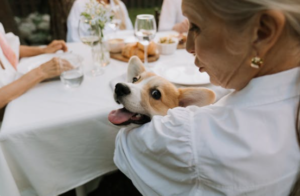
Corgi begging at outdoor dinner table with Boise family

Dogs begging at the table can turn peaceful meals into a frustrating experience — especially if you’re constantly saying “no” while trying to enjoy dinner. However, with consistent dog begging training in Boise, you can teach your pup calm mealtime manners that stick. At All Dogs Unleashed, we provide expert dog training in Boise to help your dog behave better at home and in public.

Why Dog Begging Happens – Insights from Boise Dog Training Experts

Even the smartest dog will beg if it worked once. For instance, a dropped scrap or hand-fed treat teaches them that persistence pays off. As a result, your dog learns to stare, whine, or paw during meals — hoping it leads to food again.

Common begging behaviors include:

  • Sitting under or next to the table

  • Whining or barking during meals

  • Pawing or nudging for attention

  • Drooling and staring at your plate

Fortunately, this habit can be reversed with structure and the right dog training approach.

What Good Mealtime Behavior Looks Like After Dog Begging Training

Ideally, a well-trained dog understands that the table is off-limits. Instead of hovering or begging, they relax in a designated spot like their bed or crate while you eat. Consequently, there’s no pacing, barking, or distraction — just calm presence.

As a result, meals become more enjoyable and your dog gains clarity on what’s expected.

How to Stop Table Begging: Dog Training Boise Step-by-Step

1. Set a Mealtime Zone for Your Dog

First, designate a calm location for your dog — like a mat, bed, or crate — during meals. Then, use commands like “place” or “stay” to reinforce the habit.

2. Reinforce Calm Behavior During Meals

Instead of responding to whining or pawing, only offer praise, attention, or rewards when your dog stays in their spot. Never feed from the table. That one-time treat, for example, can reset all your progress.

3. Consistency is Key in Dog Training

To succeed, every family member needs to follow the rules. Otherwise, slipping food under the table or sneaking snacks can confuse your dog and stall progress.

4. Positive Reinforcement from Your Boise Dog Trainer

Additionally, encourage calm behavior with gentle praise or small training treats — away from the table. That way, your dog learns that staying relaxed pays off.

5. Work With a Professional for Dog Begging Training Boise

If your dog struggles with impulse control, anxiety, or consistency, a trainer can help. For example, personalized guidance speeds up progress and builds trust in the process.

For more guidance, see this helpful AKC guide to stopping table begging.

All Dogs Unleashed Boise: Your Dog Training Partner for Table Manners

At All Dogs Unleashed Boise, we help local families build better behavior using proven, personalized training plans. Our Board & Train program covers everything from basic obedience to dog begging training. With expert dog training in Boise, we teach your dog how to stay calm, follow cues, and avoid bad habits like begging.

Moreover, we offer Puppy Training to stop begging before it starts. Whether you’re raising a new pup or correcting adult behaviors, we’ve got your Boise training needs covered.

Why Stopping Dog Begging Matters for Your Boise Home

  • More peaceful, stress-free meals

  • Improved obedience and impulse control

  • Better communication between you and your dog

  • Healthier eating routines (no more random scraps)

In the long run, consistency pays off with a calmer, happier dog.

Practice Your Dog’s Mealtime Manners at Boise Parks

Once your dog learns to stay calm around food at home, try reinforcing that behavior in a new setting. For example, many Boise dog-friendly parks offer outdoor tables and picnic areas — perfect for practicing calm cues with distractions nearby.

Ready to see real results? Board & Train and get your dog on the path to success.

Need help deciding what’s best for your dog? Contact Us today for a free consultation.


FAQ

Can I ever give my dog table scraps if they don’t beg?
It’s best to avoid feeding from the table altogether. Otherwise, it blurs boundaries and often re-triggers begging.

Will my dog grow out of begging naturally?
Unlikely. Without training and consistency, begging usually gets worse over time.

Is it too late to stop my senior dog from begging?
No — dogs of all ages can learn new behaviors with the right approach.

Should I use a crate during meals?
Yes, crates or mats work well as “calm zones” during meals. Just make sure it’s a positive space, not a punishment.

What if my dog barks from their bed during meals?
Ignore the barking and only reward silence and calm posture. Otherwise, even scolding can reinforce the behavior.

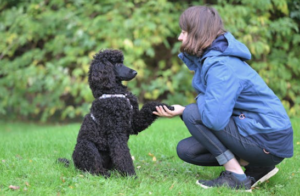
Boise dog trainer teaching a black poodle to shake paw during obedience session in grassy park

Boise dog training psychology is the key to teaching your dog more effectively. By understanding how dogs think, you’ll see faster results, better obedience, and a stronger bond. Whether you’re working on basic manners or serious behavior issues, psychology-backed methods make a big difference.

Understanding Dog Psychology in Boise Training

Dog training psychology focuses on how dogs learn, process information, and respond to cues. When you work with your dog’s mind instead of against it, training becomes smoother and more rewarding for both of you.

Dog Psychology Basics That Shape Training Success

Dogs primarily learn through:

  • Classical Conditioning – This is where dogs form associations. For example, they may hear a leash jingle and expect a walk.

  • Operant Conditioning – This method teaches dogs based on consequences. As a result, behaviors that are rewarded tend to repeat.

Understanding these models is essential for any dog owner serious about improving their training results.

Why Psychology Improves Training Results

When you use a mindset rooted in canine psychology, your training becomes clearer and more consistent. As a result, your dog learns faster and with less stress.

Benefits of Psychology‑Based Dog Training Methods

  • Stronger communication between you and your dog

  • Better results with positive reinforcement

  • Long-lasting behavior changes through habit-building

In addition, training becomes more enjoyable when you understand what motivates your dog.

How Boise Dogs Learn Using Dog Training Psychology

Reward‑Based Dog Training and Canine Motivation

Dogs in Boise thrive on positive reinforcement. For example, using treats, praise, or toys after a desired behavior reinforces obedience and builds confidence.

Consistency and Timing in Dog Learning Psychology

Your dog needs to hear the same command each time. However, if you vary your tone or words, your dog may get confused. Therefore, keep your cues short and simple.

Immediately rewarding or correcting your dog is essential. Dogs connect actions to outcomes within seconds. Delayed feedback reduces the effectiveness of your training.

The AKC also recommends consistency and timing in training.

Common Dog Behavior Mistakes That Ignore Training Psychology

Even with the best intentions, Boise dog owners sometimes make these avoidable mistakes:

  • Using punishment before teaching what’s right

  • Expecting dogs to behave “just because”

  • Changing rules or commands too often

  • Lacking structure and repetition

However, when you focus on how your dog actually learns, many of these issues disappear.

Applying Dog Training Psychology in Real‑Life Boise Homes

Step‑by‑Step Dog Behavior Training at Home

Begin with basic commands like sit and stay. Once your dog masters those, gradually add distractions or new locations. This step-by-step approach is more effective than rushing.

When Professional Boise Dog Training Psychology Helps Most

Dogs learn best in 5–10 minute sessions. Keep it fun, rewarding, and clear. In addition, end on a win to boost your dog’s confidence.

If you’re struggling or want faster results, our Boise-based Board & Train program uses proven psychology-based methods tailored to your dog’s behavior and personality.

Expert Boise Dog Training Psychology at All Dogs Unleashed

At All Dogs Unleashed Boise, we apply modern dog training psychology to real-life situations. Whether you’re dealing with stubborn behavior or want to start your puppy off right, we’re here to help.

Ready to see real results? Board & Train and get your dog on the path to success. Contact Us to schedule your consultation.


FAQs

Q: What is dog training psychology?
A: It’s a science-based approach to understanding how dogs learn, using rewards, consistency, and timing to teach effectively.

Q: Why does my dog respond better to some methods?
A: Dogs learn through positive associations. When training fits their learning style, they respond faster and more reliably.

Q: Can I use dog psychology at home?
A: Absolutely. With consistent cues, rewards, and timing, any Boise dog owner can apply training psychology for better behavior.

Q: Does punishment work in training?
A: Harsh punishment often creates fear and confusion. Positive methods build trust and long-term obedience.

Q: When should I get professional help?
A: If your dog isn’t progressing or shows behavioral issues, a local expert can help tailor training to your dog’s needs.

Trainer practicing leash skills with dog in Boise park

Dog training consistency Boise is the foundation of effective dog behavior. Whether you’re teaching basic obedience or addressing problem behaviors, using the same commands, expectations, and routines each day helps your dog learn faster and feel more confident. In this post, we’ll explore why consistency matters — and how you can apply it every day to get real results.

Why Dog Training Consistency in Boise Builds Better Behavior

Dogs are creatures of habit. When they receive clear, consistent messages from you, they quickly begin to understand what’s expected. However, when those signals change from day to day — or person to person — confusion sets in.

Here’s why consistent training leads to lasting results:

  • Faster Learning – Dogs link consistent cues with actions, making it easier to understand commands.

  • Stronger Habits – Repeating the same behaviors in the same way reinforces good routines over time.

  • Better Focus – Dogs feel less stressed when they know what’s expected, which boosts their attention and confidence.

Inconsistent commands, corrections, or expectations can undo progress and make training frustrating for both you and your dog. Therefore, sticking to one clear message is key to success.

For a deeper dive into how consistency improves obedience, check out the AKC’s guide to successful dog training.

How to Stay Consistent at Home with Dog Training

Keeping your dog’s training consistent doesn’t have to be complicated. In fact, these simple strategies can make a huge impact:

  • Stick to One Command per Behavior
    For example, always say “down” instead of switching between “lay down” or “get down.”

  • Set and Enforce Clear Rules
    If jumping on the couch isn’t allowed, make sure everyone in the household follows that rule — every time.

  • Keep Training Sessions Short but Regular
    Daily 5–10 minute sessions are enough to reinforce learning without overwhelming your dog.

  • Use Immediate Rewards
    Whether it’s praise or a treat, timing is everything. As a result, rewarding right after the behavior helps your dog make the connection.

  • Practice in Different Environments
    In addition to home practice, take your training to the yard, a local park, or on walks to help generalize behavior.

Make It a Team Effort

Consistency works best when the whole family is involved. If one person allows jumping while another corrects it, your dog won’t know what to do.

Here’s how to stay on the same page:

  • Agree on rules, commands, and rewards as a household

  • Create a shared training plan or checklist

  • Hold each other accountable for using the same techniques

As a result, your dog will receive the same signals from everyone — which builds confidence and faster learning.

Why Dog Training Consistency Matters After Professional Lessons

Whether your dog has completed Board & Train or is working through Puppy Training, consistency after formal lessons is just as important as the sessions themselves.

If your dog learns “heel” during training but no one reinforces it at home, that skill will fade quickly. Therefore, daily follow-through ensures your dog retains what they’ve learned — and continues improving.

One of the biggest benefits of dog training consistency Boise dog owners notice is how quickly their dog generalizes good behavior beyond just the classroom — into real life.

Real Results Come from Consistency

At All Dogs Unleashed Boise, we build consistency into every step of your dog’s training program. You’ll get:

  • Personalized sessions based on your lifestyle

  • Simple, repeatable cues your dog will recognize

  • Clear take-home instructions so the learning continues at home

In addition, our professional trainers partner with you to keep your dog’s progress on track long after the sessions end. Have questions? Contact Us to speak with a local trainer.


FAQs About Consistency in Dog Training

How often should I train my dog at home?
Aim for at least one short session each day. Even 5 minutes can reinforce key skills.

Can inconsistent training confuse my dog?
Yes. Using different commands or rules can make your dog unsure of what’s expected. Therefore, consistency is essential.

What if my dog behaves during training but not at home?
Consistency at home is key. Continue using the same cues and reward system used during training.

Does everyone in the house need to train the same way?
Absolutely. Dogs learn best when all family members follow the same rules and commands.

What’s the best way to keep everyone on the same page?
Create a shared training plan with commands, expectations, and daily routines for your dog. As a result, you’ll avoid confusion and build better habits faster.

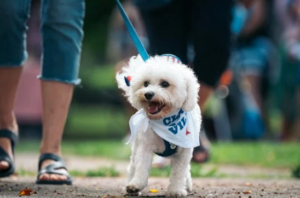
Small white dog in Boise park on leash wearing a "Club VIP" bandana during obedience training walk

Starting your puppy obedience training Boise program early sets the foundation for a lifelong bond and positive behavior. As a result, you can prevent common challenges like biting, leash pulling, or fear of new experiences — and enjoy every stage of puppyhood. In this guide, we’ll walk through how to train your pup with confidence and joy. Ultimately, a well-trained dog starts with the right habits on day one.


Why Early Puppy Obedience Training in Boise Makes All the Difference

Training early builds lasting habits. In fact, puppies are most impressionable in their first few months. Therefore, by starting structured training early, you:

  • Develop trust and communication

  • Prevent unwanted behaviors before they start

  • Build confidence in new situations

  • Create a calm, reliable family companion

At this stage, your puppy is eager to learn. As a result, the right guidance now means fewer behavior problems later. Furthermore, training early improves your relationship and communication long-term. Learn more about why puppy training is essential from the American Kennel Club.

What to Focus on During Early Puppy Obedience Training Boise

Every puppy learns differently. However, foundational skills give every dog a great start. For example, working on impulse control and social manners can reduce future frustration.

Core Skills Taught in Puppy Obedience Training Boise

  • Name recognition and recall

  • Crate training and housebreaking

  • Leash manners and impulse control

  • Confidence-building through positive exposure

  • Polite greetings with people and dogs

Our expert puppy obedience training Boise programs are tailored to your dog’s age, personality, and environment — ensuring real results for local families. For that reason, many dog owners begin Puppy Training as soon as their pup is ready.

Socialization: The Secret to a Well-Rounded Dog

Socialization helps puppies stay calm and confident in unfamiliar settings. For example, they learn to navigate loud environments, other dogs, and new people without fear.

This means:

  • Meeting new people and friendly dogs

  • Exploring different textures, sounds, and places

  • Navigating busy environments like parks or patios

In addition, proper socialization lowers the risk of reactivity and fear-based behaviors later in life. That’s why we prioritize exposure in a controlled and safe environment. As a result, your puppy develops confidence that carries into adulthood.

Supporting Your Dog’s Obedience Training at Home

Training success doesn’t stop with the trainer. In fact, owners play a vital role in reinforcing new behaviors at home. Consequently, consistency matters just as much as technique.

How You Can Support Training

  • Practice every day, even just for 5–10 minutes

  • Use consistent cues and rewards

  • Redirect mistakes calmly without punishment

  • Celebrate progress — not just perfection

Our Puppy Training programs include coaching for YOU, too. As a result, you’ll feel confident continuing the work between sessions.


Why Boise Families Choose All Dogs Unleashed

We know Boise dogs. Whether you’re near the Greenbelt, exploring the Foothills, or visiting a local dog-friendly brewery, your puppy will encounter plenty of real-world situations.

That’s why our training focuses on obedience in everyday life — not just in the classroom. In addition, we offer our popular Board & Train program designed to fast-track your dog’s progress. Have questions or ready to get started? Contact Us today — we’d love to help.


Frequently Asked Questions (FAQ)

Q: What age should I start training my puppy?
A: We recommend starting as early as 8 weeks old. In most cases, your puppy is ready to begin once they are settled and cleared by your vet.

Q: Can you help with potty training?
A: Yes — crate training and consistent routines are key parts of our puppy programs. As a result, housebreaking becomes much smoother.

Q: How long is your Puppy Training program?
A: We offer customized options based on your puppy’s age and behavior goals — from short sessions to full Board & Train packages.

Q: Is socialization really that important?
A: Absolutely. In fact, controlled, positive exposure to people, dogs, and environments is critical to long-term success.

Q: What happens after puppy training ends?
A: We offer advanced obedience options and are always here if you need a tune-up or additional support. Additionally, we can help guide your next steps for long-term success through our puppy obedience training Boise services. Just Contact Us to get started.

Dog training attention on leash in busy Boise area

Why Your Dog Struggles to Focus in Boise

Living in a dog-friendly city like Boise is a dream. However, it can quickly turn into a challenge when your pup loses focus at every turn. For instance, squirrels at Camel’s Back Park or crowded patios downtown can completely overwhelm even a well-trained dog. That’s why Boise focus dog training and professional dog training Boise programs are essential for every local dog owner.

When your dog learns to stay calm and responsive in real-world settings, daily life becomes safer, smoother, and far more enjoyable as a result.


Boise’s Biggest Dog Training Distractions

Boise offers endless adventures for dogs. Nevertheless, it also brings just as many distractions:

  • Off-leash dogs at local parks

  • Food carts and sidewalk smells

  • Cyclists and joggers on the Greenbelt

  • Friendly strangers and noisy kids

  • Wildlife near trails and rivers

These triggers are exciting for dogs. Yet, they often make it difficult for your pup to listen or respond. Even a dog that listens well at home may completely tune you out outside. Fortunately, with the right kind of dog training Boise programs, these problems can be solved quickly and effectively.

What Is Boise Focus Dog Training?

Simply put, focus training teaches your dog to tune in to you — no matter what’s happening around them. While it may sound like obedience training, it actually goes much deeper. Instead, it builds engagement, trust, and calm responsiveness in everyday Boise settings.

With Boise focus dog training, your pup learns to stay attentive and calm even when distractions are all around — like busy parks, loud cafés, and unpredictable trail encounters.

As a result, your dog learns to:

  • Make eye contact on cue

  • Ignore distractions like people or animals

  • Respond reliably to commands in public

  • Stay calm even in high-energy environments

Moreover, this type of training helps your dog make better choices independently — even off leash. For more insight, check out the AKC’s guide to urban dog skills.

How to Train Focus in Real Boise Settings

Step 1: Start Focus Training in Easy, Low-Stress Areas

To begin, choose a quiet location with only mild distractions. For example, your backyard or a quiet neighborhood park is ideal.

  • Use a consistent cue like “look” or “watch me”

  • Immediately reward with high-value treats or praise

  • Keep sessions short and positive for best results

Although it may feel slow at first, these early steps are crucial to long-term success. Additionally, they set the foundation for more advanced training later.

Step 2: Build Distraction-Proof Dog Focus Skills in Boise

Once your dog can focus in calm areas, gradually move to more distracting environments. For instance, try training in places like:

  • Sidewalks in downtown Boise

  • Outside dog-friendly cafés

  • Busy public parks or trailheads

  • Near playgrounds or outdoor events

As you increase the difficulty, continue to reward calm behavior and focused eye contact. Therefore, your dog learns that paying attention to you is always the better choice.

In addition, working with a local dog training Boise expert ensures you’re progressing at the right pace — without overwhelming your dog.

Why Boise Focus Dog Training Builds Confidence

Dogs that stay focused in noisy or unpredictable settings tend to feel more secure. Instead of reacting impulsively, they begin to look to you for direction. Because of this shift, they’re more manageable in real-life situations.

Focus training often leads to:

  • Reduced leash pulling and barking

  • Fewer outbursts or reactivity

  • Better manners around other dogs and people

  • More relaxed and enjoyable outings for both of you

In short, you’ll both gain confidence through every successful session. In fact, many of our clients say their own confidence improved just as much as their dog’s — thanks to consistent, real-world dog training Boise sessions.

Why Professional Help Speeds Up Results

Certainly, you can make progress with DIY training. However, most owners see faster and more consistent results with expert guidance. A structured Board & Train program allows your dog to build real-world focus — guided by pros who know exactly how to handle distractions.

Our Boise trainers will:

  • Customize drills based on your dog’s personality and needs

  • Use real-life Boise settings for more relevant practice

  • Transition skills from the classroom to trails and sidewalks

  • Coach you so progress continues long after training ends

Because our dog training Boise programs are hands-on and practical, your dog learns skills they’ll actually use — not just tricks for treats.

If you’re ready to take the next step, Contact Us today and let’s create a plan tailored to your dog.


Ready to Train Focus and Enjoy Boise Again?

Whether you’re walking near The Village, exploring the foothills, or grabbing coffee downtown, Boise can be overwhelming for untrained dogs. But with the right focus training, your dog can stay calm, connected, and responsive — no matter what’s happening around them.

Ready to enjoy calmer walks and better behavior? Start your Boise focus dog training journey today and experience real-life results that last.

Ready to see real results? Board & Train and get your dog on the path to success with Boise’s most trusted dog training Boise experts.


FAQ

Q: Can my dog really learn to ignore distractions like other dogs or people?
A: Absolutely. With consistent focus training, your dog can learn to stay engaged even in chaotic environments.

Q: How long does focus training usually take?
A: That depends. However, many dogs improve within a few weeks of structured, consistent training — especially when done in real-life settings.

Q: Should I start in public, or wait until my dog is trained at home?
A: Start small at home, but gradually shift to public spaces. After all, that’s where you need the behavior most.

Q: Is this the same as basic obedience training?
A: No. Focus training goes beyond obedience. It teaches dogs to remain attentive and calm despite surrounding distractions.

Q: What makes your dog training Boise programs unique?
A: We train in real Boise environments using methods that help your dog succeed in day-to-day life — not just in a classroom.

Trainer providing help for reactive dogs in Boise with calm outdoor training and positive reinforcement in a sunny field.

Help Your Dog Thrive With Boise Reactive Dog Training

If you’re looking for help for reactive dogs in Boise, you’re definitely not alone. In fact, many Boise dog owners struggle with the same challenges every day. Fortunately, Boise reactive dog training can transform daily walks from stressful to smooth. Moreover, if your dog lunges, barks, or freezes in public, you’re not stuck. Instead, with the right approach, fearful and anxious dogs can learn to stay calm and confident — even in Boise’s busy parks or downtown streets.


Why You Might Need Help for Reactive Dogs in Boise

Understanding Reactivity in Dogs

Reactivity is often misunderstood. Rather than disobedience, it is usually your dog’s way of saying, “I’m overwhelmed.”

For example, common signs include:

  • Barking or lunging at other dogs or people

  • Cowering or hiding in new environments

  • Overreacting to sounds, bikes, or crowds

As a result, these behaviors are rooted in fear, frustration, or overexcitement — not aggression.

Common Boise Triggers for Dog Reactivity

Boise offers tons of outdoor fun. However, for reactive dogs, it can quickly become sensory overload. For instance, common triggers may include:

  • Crowds at the Greenbelt or Hyde Park

  • Off-leash dogs at local parks

  • Noisy traffic or unfamiliar smells downtown

Therefore, understanding these triggers is the first step to helping your dog handle them calmly.

Our Proven Help for Reactive Dogs in Boise

Overall, we focus on transforming behavior — not suppressing it. In other words, we teach your dog what to do, not just what not to do.

1. Build Trust with Your Reactive Dog

First and foremost, a reactive dog must feel safe. Therefore, we help you build trust through clear communication, consistent cues, and predictable routines.

2. Gradual Exposure for Anxious Dogs in Boise

Next, we use desensitization and counter-conditioning. Specifically, this means gradually exposing your dog to triggers while creating positive associations. As a result, “scary” situations slowly become “no big deal.” Additionally, you can learn more about how to train a fearful dog.

3. Teaching Calm Alternatives to Reactive Dogs

Rather than barking or hiding, your dog learns alternative behaviors. For example, your dog learns to:

  • Make eye contact with you

  • Sit calmly in the presence of triggers

  • Walk confidently past distractions

Consequently, these calm behaviors replace panic responses and build self-control.

4. Real-World Success with Boise Dog Behavior Help

Finally, we train where it matters most. Therefore, from the foothills to dog-friendly patios, training happens in real Boise environments so your dog succeeds in everyday life.


Why Positive Training Works Best

Unlike punishment-based methods, harsh corrections shut down behavior but don’t teach. Because of that, we use science-backed, reward-based training that:

  • Builds your dog’s confidence

  • Strengthens your relationship

  • Leads to lasting behavior change

As a result, this approach is safer, faster, and more effective than outdated “dominance” techniques.

Real Boise Success Stories

Initially, many of our clients start with dogs who bark, pull, or panic in public. However, after training:

  • They walk calmly through Kathryn Albertson Park

  • They welcome guests without barking

  • They enjoy off-leash time in secure settings

Ultimately, each dog’s journey is different. Still, with consistency and expert guidance, real change is absolutely possible.

Training Options That Fit Your Dog’s Needs

For example, our Board & Train program offers immersive, real-world learning with expert trainers. As a result, it’s ideal for busy owners or more challenging cases.

On the other hand, if you want to stay hands-on, we also offer private lessons and follow-up support.

Similarly, if you’re starting young, our Puppy Training program builds a strong foundation and helps prevent reactivity before it starts.

Therefore, if you’re seeking help for reactive dogs in Boise, our team is ready to guide you every step of the way. Simply Contact Us to learn more or schedule your consultation.


FAQs

What causes dog reactivity?
Generally, reactivity comes from fear, overexcitement, or lack of early socialization — not “bad behavior.”

Can my reactive dog ever be calm?
Yes. In fact, with consistent training and exposure, most dogs learn to stay relaxed around former triggers.

How long does training take?
It depends on your dog and consistency at home. However, most owners see meaningful improvements within a few weeks.

Should I use a prong collar or e-collar?
No. Instead, we recommend positive reinforcement methods that build trust — because tools don’t teach, training does.

Is this only for aggressive dogs?
Not at all. In reality, most reactive dogs aren’t aggressive — they’re simply overwhelmed and need guidance.

Well-behaved dog greeting guests calmly in Boise home

Does your dog go wild when someone rings the doorbell? You’re not alone — but with structured Boise dog guest greeting training, your pup can learn to stay calm, wait politely, and greet visitors without chaos. This guide breaks down how Boise dog owners can turn excitement into control using easy, reward-based steps.

Why Boise Dogs React During Guest Arrivals

Dogs often jump, bark, or rush the door for one of three reasons:

  • Excitement — Guests mean playtime or attention

  • Anxiety — New people can trigger uncertainty

  • Lack of training — No clear expectation or command

Instead of punishing the reaction, your dog needs to learn what to do when someone arrives. As a result, you’ll reduce stress for everyone — including your guests.


Boise Dog Guest Greeting Training for Calm Door Behavior

Through consistent Boise dog guest greeting training, you can show your dog how to calmly handle door-related excitement. It starts by creating structure. For instance, setting routines helps dogs predict what will happen next.

Step 1: Establish Structure in Boise Dog Guest Greeting Training

Before opening the door:

  • Send your dog to a “place” (bed, mat, or crate)

  • Only invite guests once your dog is settled

  • Reward calm behavior with treats or praise

Because of this repetition, your dog will associate calmness with positive outcomes.
Learn more about how to teach your dog to wait at doorways from the AKC.

Step 2: Practice Dog Guest Greeting Drills With Visitors

Rehearse guest arrivals at home:

  • Knock or ring the bell during training sessions

  • Correct gently if your dog breaks the command

  • Praise and treat when they remain calm

Eventually, increase the difficulty with real visitors. As your dog improves, these rehearsals will feel like second nature.

Step 3: Reinforce Good Dog Door Manners With Positive Rewards

Instead of yelling “no,” reward calm choices. For example:

  • Offer treats when they stay on their place

  • Pet and praise after a calm greeting

  • Keep energy low to avoid overexcitement

As a result, your dog will begin to choose calm behavior on their own.


Tailoring Boise Dog Guest Greeting Training to Your Dog’s Triggers

Different personalities need different plans. For example:

  • Excitable dogs thrive with more structure and pre-visit exercise

  • Anxious dogs do better with gradual exposure and softer greetings

A walk before guests arrive can make a big difference. Furthermore, it helps drain energy and reduce impulsiveness.


Why Calm Guest Greetings Matter for Boise Dogs

Polite guest behavior isn’t just convenient — it’s safer and less stressful. Benefits include:

  • A peaceful home environment

  • Guests who feel welcome and relaxed

  • A confident dog who knows what’s expected

Even though this takes practice, the long-term rewards are worth the effort. As a result, your household will feel more relaxed and in control.


Get Help With Boise Dog Guest Greeting Training Today

Feeling overwhelmed? Don’t worry — you’re not alone. Our expert team specializes in everything from Puppy Training to advanced obedience and can help tailor solutions to your dog’s behavior.

In addition, we offer support that’s local, personalized, and effective. Contact Us to get started.

Ready to see real results? Board & Train and get your dog on the path to success.


FAQs

How long does it take to train a dog to greet guests calmly?
Most dogs show real progress in 2–4 weeks with daily practice. Because of this, consistency is more important than speed.

Should I use a leash during greetings?
Yes — especially early on. In fact, a leash gives you control and prevents jumping or door dashing.

Can my puppy learn calm greetings?
Absolutely! Even young puppies benefit from early training. As a result, they build polite habits right from the start.

What if my dog gets worse when guests visit?
That’s common at first. However, stick to your training plan, keep greetings low-energy, and reward every calm moment.

Is professional training worth it for this issue?
Yes — a trainer can spot subtle patterns, customize strategies, and help you succeed faster.