
Unleash
Your

Dog's
Potential
Boise's Premier Dog Training & Boarding Facility
In 2 Weeks Your Dog Will:
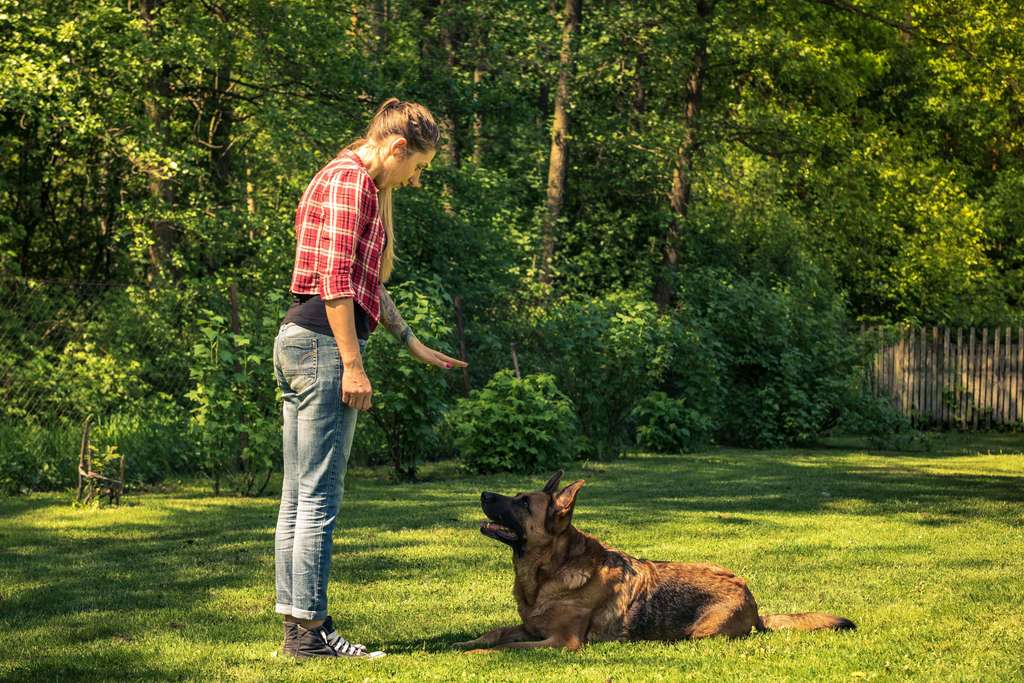
- Come when called
- Sit / Stay
- Place command
- Walk nice in Heel
- Behave appropriately
- Achieve off-leash control
- Learn boundaries
- Get socialized
Your Dog Will Stop:
- Leash Pulling
- Digging
- Nipping
- Jumping
- Nuisance Barking
- Scratching
- Chewing
- And more!
After completing our program you will understand the tools and techniques necessary to have a well-rounded pet. All Dogs Unleashed Dog Training Boise will help you communicate with your dog while strengthening your bond. We offer well-balanced customizable programs that will meet the individual needs of your pet.

Dog Training in Boise, Idaho
Your pet’s welfare is important to us. All Dogs Unleashed Dog Training Boise uses the most humane techniques available in the dog training industry. We will train ANY dog, solve ANY problem, and offer the structure that you and your dog will enjoy!
In the City of Trees where urban hustle meets nature’s tranquility, the bond between humans and their canine companions is of paramount importance.
As dog owners, we all dream of having a well-behaved, obedient, and joyful pet by our side. Yet, achieving this dream often requires more than just love and treats. It demands professional guidance, consistent training, and a deep understanding of canine behavior.
Welcome to the world of All Dogs Unleashed Dog Training Boise, where we embark on a fun and transformative journey to unlock your dog’s full potential, ensuring they become the perfect companion you’ve always desired.
Discover how, in just two weeks, we can reshape your dog’s behavior, strengthen your bond, and provide you with the tools to maintain a harmonious relationship for years to come.
About All Dogs Unleashed Dog Training Boise
Our Philosophy
At All Dogs Unleashed Dog Training Boise, we believe in creating a strong bond between the owner and their pet. Our goal is to help you communicate effectively with your dog, ensuring a harmonious relationship.
Humane Training Techniques
Your pet’s welfare is our top priority. We pride ourselves on using the most humane techniques available in the dog training industry, ensuring that every dog is treated with respect and kindness.
Customizable Programs
Every dog is unique, and so are their training needs. We offer well-balanced, customizable programs tailored to meet the individual requirements of your pet, ensuring effective and lasting results.
Comprehensive Training Options
Whether you’re looking for in-home training, boarding, or other training classes, or even some guidance on addressing specific behavioral issues, All Dogs Unleashed Dog Training Boise has got you covered. Our expert trainers are dedicated to providing the best solutions for you and your furry friend.
Our Commitment
We stand behind our training methods and are always here for you. If any issues arise after the training, we offer a free consultation and follow-up sessions to ensure that you and your dog continue to thrive together.

A Few of Our Wall of Fame Clients










Boarding and Dog Training in Boise, ID
If you’re looking for dog or even puppy training classes in Boise but don’t have the time to either attend classes or regular sessions, the board and train program at All Dogs Unleashed Dog Training Boise is perfect for you. In order for training to really stick, dogs need structure and continued reinforcement.
Personalized Attention
In this program, our expert dog trainers in Boise, Idaho work one-on-one with your dog. Your dog will receive an individualized training plan based on their unique traits and the behaviors you hope to address.
Socialization Benefits
Training around other dogs also has its advantages. Your dog will have the opportunity to play and socialize with other dogs. They can also learn manners and how to behave around other animals. Our dog obedience training in Boise focuses on making your dog obedient even around major distractions, and learning in the presence of other dogs helps!
Involving the Owners
Of course, dog obedience training in Boise, ID shouldn’t just involve educating your dog — it should also involve teaching you, the owner. Once your dog has completed our two-week program, we invite you and your family to attend a session with us. We’ll show you what your dog has learned and teach you the commands, training tips, and strategies you need to continue your dog’s training at home.
Our Assurance
At All Dogs Unleashed Dog Training Boise, we’re proud to offer the best dog training in Boise. We stand behind our methods and offer free follow-up training as needed! With our in-home training program, we offer the same promise as our in-facility program. If your dog develops any other problem behaviors, we offer you free follow-up training throughout the dog’s life.
At-Home Dog and Puppy Training in Boise
If you’d prefer to train your dog at home but don’t know where to start, our at-home dog training in Boise, Idaho is the right choice. With this option, our expert dog trainers will come to you and work with both you and your dog. That way, you and your pet can learn at the same time. This program brings the expertise of Boise’s best dog trainers right to your doorstep.
Collaborative Learning
Because you’ll be working with the best dog trainers in Boise, you’ll get the same results as you would with our boarding and training program. We start by discussing your behavior goals and getting to know your dog. From there, we’ll develop an individualized training plan. With this approach, both you and your pet learn simultaneously. The house training process begins with understanding your behavioral goals for your dog, followed by the creation of a bespoke training plan.
Addressing Common Concerns
Our dog and puppy training classes in Boise can help you address common behavior problems like biting, nuisance barking, and chewing. It can also help you develop complete control even when your dog is off-leash! Because we help your dog become less sensitive to real-world distractions, your pet will listen to you even around loud noises or other animals.
Strengthening Bonds
Many owners like our in-home training program because it gives them a chance to be an integral part of the training experience. And because we space out these training sessions by two weeks, you’ll have the opportunity to practice with your dog. As you practice, your dog won’t just internalize the training — they also strengthen their bond with you and become accustomed to following your commands.
Our program includes two training sessions. Once they’re complete, your dog will be completely transformed!
The Value of Group Dog Training Classes
The Power of Group Dynamics
One of the most effective ways to train a dog is through group dog training classes. These classes provide a unique environment where dogs can learn from both their trainers and their peers. The presence of other dogs can act as a motivating factor, making the learning process more engaging, fun, and dynamic.
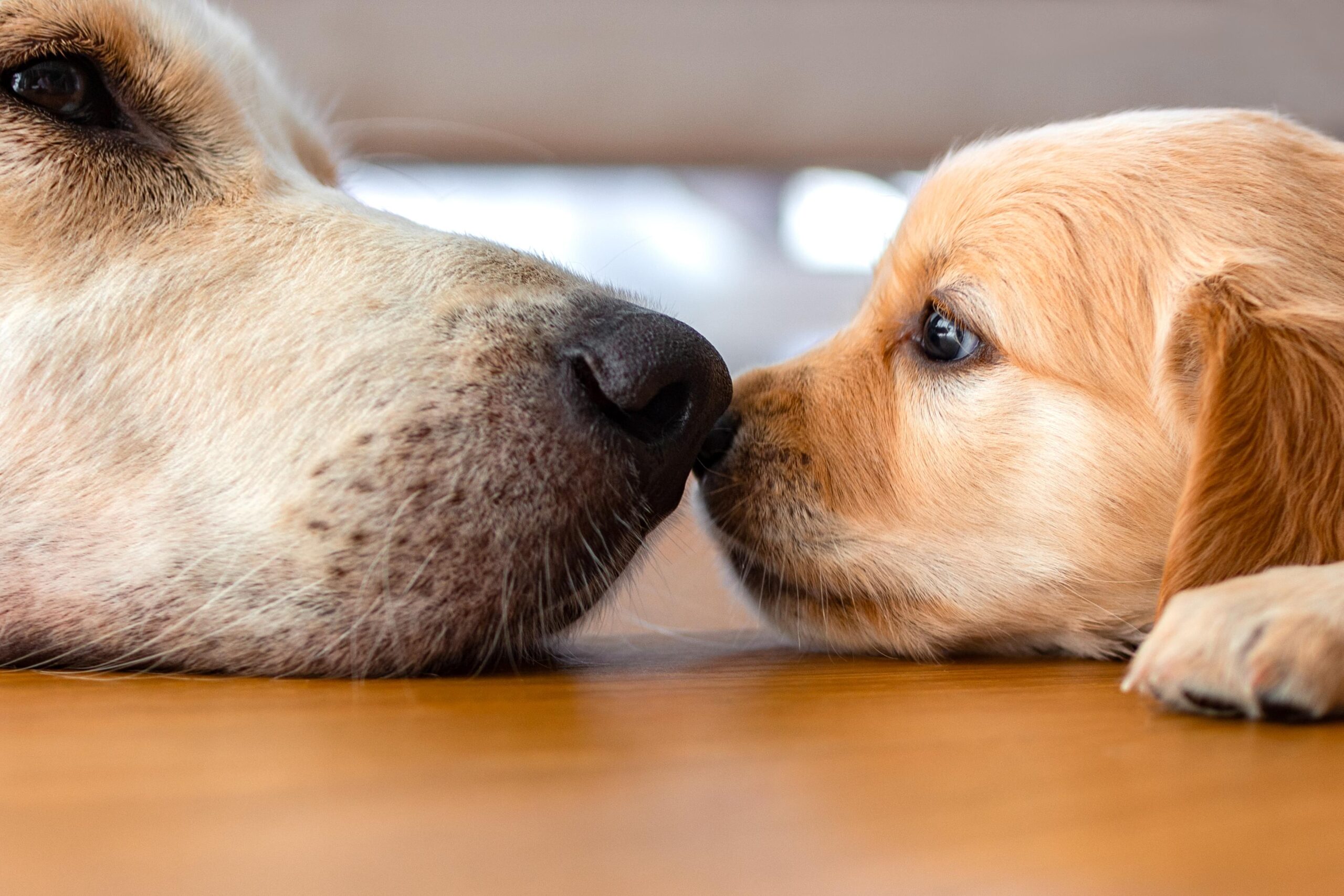
Puppy Socialization: Especially in puppy classes, young dogs get the chance to interact with peers, which is crucial for their social development. Puppy socialization ensures that your young pet learns how to behave around other dogs, reducing the likelihood of aggressive behaviors in the future.
Loose Leash Walking: One of the common challenges dog owners face is ensuring their dogs walk calmly beside them. In our group classes, we emphasize loose leash walking, teaching your dog to walk without pulling and ensuring peaceful and enjoyable walks.
Basic Manners and Positive Reinforcement: Every dog needs to learn basic manners. Using basic obedience skills and positive reinforcement techniques, our trainers ensure that dogs understand and adhere to essential commands, making them well-behaved companions.
The Benefits of Group Learning
Group classes offer a structured environment where dogs can learn essential skills while also benefiting from social interactions. Observing other dogs can often accelerate the learning process, as dogs tend to mimic the behaviors of their peers. Moreover, the group setting provides real-world distractions, ensuring that the training is effective even in more chaotic environments.
Private Dog Training: Tailored to Your Needs
While group classes offer numerous benefits, there’s undeniable value in a private lesson for dog training. Private lessons provide a one-on-one environment where the top dog trainer there can focus entirely on your dog, tailoring the training to address specific challenges and behaviors.
In-depth Assessment: A private dog trainer can spend time understanding the unique traits, behaviors, and challenges of your dog, ensuring that the training is as effective as possible.
Flexible Scheduling: Private training sessions can be scheduled at times that are convenient for you your busy schedule, ensuring that training doesn’t disrupt your daily routine.
Targeted Training: Whether it is a private lesson that’s addressing a specific behavioral challenge or focusing on advanced skills, private lessons offer targeted training that’s designed around your dog’s needs.
Achieving Lasting Results
The goal of any training, be it in small group classes, or private, is to have a well-behaved dog. With proper training techniques, dogs not only learn commands but also develop a deeper bond with their owners. This bond, built on mutual respect and understanding, ensures that the dog remains obedient and attentive even in challenging situations.
Private training sessions, with their focused approach, can often achieve results faster, especially when addressing specific challenges. Moreover, these sessions provide an opportunity for owners to learn alongside their pets, ensuring that the training continues even outside the formal sessions.
Take the Next Step for a Happier, Well-Trained Pet
In the journey of pet ownership, every moment counts. From the joyous leaps of greeting when you come home to the peaceful walks in the park, every interaction with your dog should be a cherished memory. At All Dogs Unleashed Dog Training Boise, we understand the essence of these moments and the importance of a well-behaved canine companion and happy life. Our comprehensive dog training classes and programs, backed by our commitment to you and your pet, ensure that every bark, wag, and jump is a step towards a stronger bond.
Don’t wait for another missed command or another shoe chewed up. Embrace the opportunity to transform your dog’s behavior and enhance your relationship.
Reach out to us today and let’s embark on this amazing experience transformative training journey together. Your perfect companion is just a training session away.