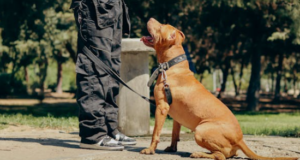


Calm dog walking on leash in downtown Boise with owner

Fix Common Behavior Problems with Boise Dog Training Services

If you’re looking for Boise dog training services, you’re not alone. In fact, many local dog owners experience challenges like barking, leash pulling, jumping, or anxiety. Fortunately, these issues are common and, more importantly, they are highly trainable. With the right approach, dogs can learn better behaviors quickly and clearly.

At All Dogs Unleashed Boise, we focus on structured, professional training. As a result, dogs learn faster and owners feel more confident. Most importantly, training is done without stress or confusion, which helps behaviors stick long term.


Most Common Issues Solved by Boise Dog Training

Behavior problems often start small; however, without guidance, they can escalate quickly. That’s why early training is so important. Below are the most common behavior concerns we help Boise dog owners overcome every day.

1. Leash Pulling and How Dog Training in Boise Helps

Your dog should walk with you, not pull ahead. For that reason, leash manners must be taught intentionally. To begin with, calm focus and proper handling make a big difference. In addition, consistent repetition in real-world settings reinforces success. For example, this leash handling guide from ASPCAPro offers helpful insight.

2. Jumping: What Boise Dog Training Services Can Teach

Dogs often jump because they’re excited. However, excitement without structure leads to bad habits. Therefore, teaching polite greetings early prevents frustration later. As a result, both dogs and guests feel more comfortable.

3. Barking and the Role of Dog Training Boise

Barking can come from boredom, alert behavior, or anxiety. Because of this, identifying the trigger is essential. Once the cause is clear, training can redirect the behavior. Consequently, dogs learn calmer ways to communicate.

4. Anxiety & Reactivity: Why You Need Boise Dog Training Support

Some dogs struggle in busy environments. In these situations, gradual exposure is key. Over time, structured training builds confidence. As a result, dogs become calmer and more predictable in public.

5. Poor Obedience: Fix It with Dog Behavior Training in Boise

Inconsistent obedience is frustrating. Often, it happens because communication is unclear. That’s why consistent cues and structure matter. Ultimately, dogs respond better when expectations are clear.


Why Boise Dog Training Services Actually Work

Dogs thrive on structure. Therefore, professional training uses clear cues, proper timing, and consistency. In turn, dogs understand what’s expected of them. As a result, behaviors improve faster and last longer.

Our Boise dog training services are designed for real life. For example, training works on busy sidewalks, at parks, and inside your home. Because of this, dogs listen no matter the environment.

Whether you’re starting with a Puppy Training program or addressing behavior issues in an adult dog, the approach is customized. In addition, training is built around your lifestyle and goals.

In short, our training:

  • Builds confidence instead of fear

  • Uses rewards and repetition consistently

  • Transfers skills directly to owners

  • Works in real Boise environments


How You Can Support the Training

Owner involvement is essential. For that reason, consistency at home matters just as much as professional training. To help your dog succeed, daily reinforcement is key.

For example, use the same commands every time. In addition, practice regularly, even if sessions are short. Most importantly, reward good behavior immediately. Otherwise, dogs may become confused.

As you can see, when expectations are clear, dogs respond better. Over time, consistent follow-through creates lasting results.


When to Get Help from a Boise Dog Trainer

If your dog’s behavior is causing stress, embarrassment, or safety issues—it’s time to call in expert help. Early intervention prevents bad habits from becoming permanent.

Our Board & Train program is a fast-track to success. Your dog learns with us in a structured environment, then transitions that behavior home with your support.

Have questions? Contact Us today to speak with a local trainer and see which plan fits your dog best.


Real Results for Boise Dog Owners

We’ve helped hundreds of Treasure Valley families fix frustrating behaviors and build better bonds with their dogs. Whether you’re walking in Camel’s Back Park or hosting guests at home, we make sure your dog is ready for real life.

Ready to see real results? Board & Train and get your dog on the path to success.


Frequently Asked Questions

Q: What causes most dog behavior problems?
A: Most issues come from unclear communication, lack of structure, fear, or under-stimulation.

Q: Is it too late to train my adult dog?
A: Never! Dogs of any age can learn when training is consistent and positive.

Q: How long does it take to fix behavioral issues?
A: Minor habits improve within weeks. Complex issues may take longer—but results come with consistency.

Q: Will professional training work if I’ve already tried on my own?
A: Yes. Professional trainers bring experience, structure, and proven techniques that often succeed where DIY efforts stall.
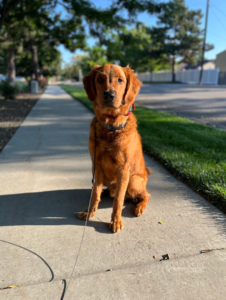
Dog sitting calmly in downtown Boise during leash training

Many Boise dog owners instinctively pick up their dogs when they bark, hoping to calm them down — but Boise dog barking training shows this response can actually reinforce the behavior and lead to long-term issues. Instead, structured training and calm redirection lead to lasting change.

  • Primary Topic: Why picking up barking dogs reinforces unwanted behavior

  • Boise SEO Keyword: Boise dog barking training

  • SEO Title: Why You Shouldn’t Pick Up Your Dog When They’re Barking – Dog Training Boise Tips


Why Picking Up Reinforces Dog Barking Behavior in Boise

If your dog barks and your first reaction is to scoop them up, you’re not alone. Many pet parents in the Treasure Valley do this without realizing they’re unintentionally encouraging the behavior. Boise dog barking training focuses on teaching calm responses, not rewarding noisy ones.

Picking up your dog during a barking episode can actually make the behavior worse — especially if the barking is driven by fear, excitement, or attention-seeking. Instead of helping, you’re signaling that barking earns cuddles, not correction.

1. Boise Dog Barking Training: Stop Reinforcing the Behavior

When your dog barks and you pick them up, you’re rewarding the action. That simple lift reinforces the idea that barking gets them what they want — whether it’s your attention, affection, or a break from something uncomfortable.

Instead, teach your dog that silence and calm behavior bring the reward.

2. Dog Training Boise Tip: Reduce Dependence and Anxiety

Picking up your dog can cause over-dependence. Dogs that are always comforted when stressed may never learn how to self-soothe or process triggers on their own.

For example, if your small dog barks every time another dog walks by and you always pick them up, they’ll start to associate other dogs with fear — and barking with rescue.

3. How Barking Affects Dog Obedience Training in Boise

Dogs bark to communicate — fear, frustration, excitement, or uncertainty. If you interrupt this with physical comfort, you’re not teaching them to cope or respond differently. You’re just masking the behavior without solving the root cause.

4. Boise Dog Training Insight: Barking Can Increase Reactivity

Some dogs become more anxious or reactive when picked up during barking. Being lifted removes their sense of control, especially if they’re barking from fear. This can escalate the behavior or even lead to defensive nipping.


Better Boise Dog Barking Training Strategies

Dog Training Boise: Use Commands, Not Comfort

Train your dog to respond to cues like “quiet”, “leave it”, or “place” instead of rewarding the barking. For persistent habits, consider a Board & Train program for faster results.

Reward Calm Behavior, Not Barking

Only give attention or affection when your dog is relaxed. Mark and reward silence to reinforce what you want.

Dog Barking Triggers Boise Owners Should Watch For

Is your dog barking at people, sounds, or dogs on walks? Understanding the trigger is the first step toward fixing it.

Give Your Dog a Job to Reduce Excess Barking

Mentally stimulated dogs bark less. Use puzzle feeders, sniff walks, and obedience routines to redirect excess energy.

Professional Dog Training Boise for Problem Barking

Sometimes barking stems from deeper behavioral issues. A structured Board & Train program can help reset unwanted habits and teach long-lasting obedience.


Boise dog trainer helping dog focus outdoors

Real-Life Boise Training Success

At All Dogs Unleashed Boise, we’ve helped dozens of local dogs break the barking habit using calm leadership and clear communication. Whether it’s neighborhood noise, leash reactivity, or general anxiety, the key is giving your dog structure — not scooping them up.

Want to learn more about how our team can help your dog? Contact Us for a free training consultation.


FAQ — Barking & Training Support

Why does my dog bark so much at home?
Barking at home is usually caused by boredom, outside triggers, or lack of boundaries. Training and environmental control help reduce it. Learn more from AKC’s guide to excessive barking.

What should I do instead of picking up my barking dog?
Redirect with a command like “quiet” or “place,” then reward silence. This teaches your dog that calm behavior gets attention.

Is barking always bad?
Not always. Barking is a normal behavior. But excessive barking often signals unmet needs, anxiety, or learned habits that require training.

Can barking be fixed with exercise?
Yes — physical and mental stimulation reduces barking caused by boredom or pent-up energy.

Should I ignore my dog’s barking?
If the barking is for attention, yes — but pair it with rewarding quiet moments and clear communication through training.

Trainer practicing leash skills with dog in Boise park

Dog training consistency Boise is the foundation of effective dog behavior. Whether you’re teaching basic obedience or addressing problem behaviors, using the same commands, expectations, and routines each day helps your dog learn faster and feel more confident. In this post, we’ll explore why consistency matters — and how you can apply it every day to get real results.

Why Dog Training Consistency in Boise Builds Better Behavior

Dogs are creatures of habit. When they receive clear, consistent messages from you, they quickly begin to understand what’s expected. However, when those signals change from day to day — or person to person — confusion sets in.

Here’s why consistent training leads to lasting results:

  • Faster Learning – Dogs link consistent cues with actions, making it easier to understand commands.

  • Stronger Habits – Repeating the same behaviors in the same way reinforces good routines over time.

  • Better Focus – Dogs feel less stressed when they know what’s expected, which boosts their attention and confidence.

Inconsistent commands, corrections, or expectations can undo progress and make training frustrating for both you and your dog. Therefore, sticking to one clear message is key to success.

For a deeper dive into how consistency improves obedience, check out the AKC’s guide to successful dog training.

How to Stay Consistent at Home with Dog Training

Keeping your dog’s training consistent doesn’t have to be complicated. In fact, these simple strategies can make a huge impact:

  • Stick to One Command per Behavior
    For example, always say “down” instead of switching between “lay down” or “get down.”

  • Set and Enforce Clear Rules
    If jumping on the couch isn’t allowed, make sure everyone in the household follows that rule — every time.

  • Keep Training Sessions Short but Regular
    Daily 5–10 minute sessions are enough to reinforce learning without overwhelming your dog.

  • Use Immediate Rewards
    Whether it’s praise or a treat, timing is everything. As a result, rewarding right after the behavior helps your dog make the connection.

  • Practice in Different Environments
    In addition to home practice, take your training to the yard, a local park, or on walks to help generalize behavior.

Make It a Team Effort

Consistency works best when the whole family is involved. If one person allows jumping while another corrects it, your dog won’t know what to do.

Here’s how to stay on the same page:

  • Agree on rules, commands, and rewards as a household

  • Create a shared training plan or checklist

  • Hold each other accountable for using the same techniques

As a result, your dog will receive the same signals from everyone — which builds confidence and faster learning.

Why Dog Training Consistency Matters After Professional Lessons

Whether your dog has completed Board & Train or is working through Puppy Training, consistency after formal lessons is just as important as the sessions themselves.

If your dog learns “heel” during training but no one reinforces it at home, that skill will fade quickly. Therefore, daily follow-through ensures your dog retains what they’ve learned — and continues improving.

One of the biggest benefits of dog training consistency Boise dog owners notice is how quickly their dog generalizes good behavior beyond just the classroom — into real life.

Real Results Come from Consistency

At All Dogs Unleashed Boise, we build consistency into every step of your dog’s training program. You’ll get:

  • Personalized sessions based on your lifestyle

  • Simple, repeatable cues your dog will recognize

  • Clear take-home instructions so the learning continues at home

In addition, our professional trainers partner with you to keep your dog’s progress on track long after the sessions end. Have questions? Contact Us to speak with a local trainer.


FAQs About Consistency in Dog Training

How often should I train my dog at home?
Aim for at least one short session each day. Even 5 minutes can reinforce key skills.

Can inconsistent training confuse my dog?
Yes. Using different commands or rules can make your dog unsure of what’s expected. Therefore, consistency is essential.

What if my dog behaves during training but not at home?
Consistency at home is key. Continue using the same cues and reward system used during training.

Does everyone in the house need to train the same way?
Absolutely. Dogs learn best when all family members follow the same rules and commands.

What’s the best way to keep everyone on the same page?
Create a shared training plan with commands, expectations, and daily routines for your dog. As a result, you’ll avoid confusion and build better habits faster.

Well-behaved dog greeting guests calmly in Boise home

Does your dog go wild when someone rings the doorbell? You’re not alone — but with structured Boise dog guest greeting training, your pup can learn to stay calm, wait politely, and greet visitors without chaos. This guide breaks down how Boise dog owners can turn excitement into control using easy, reward-based steps.

Why Boise Dogs React During Guest Arrivals

Dogs often jump, bark, or rush the door for one of three reasons:

  • Excitement — Guests mean playtime or attention

  • Anxiety — New people can trigger uncertainty

  • Lack of training — No clear expectation or command

Instead of punishing the reaction, your dog needs to learn what to do when someone arrives. As a result, you’ll reduce stress for everyone — including your guests.


Boise Dog Guest Greeting Training for Calm Door Behavior

Through consistent Boise dog guest greeting training, you can show your dog how to calmly handle door-related excitement. It starts by creating structure. For instance, setting routines helps dogs predict what will happen next.

Step 1: Establish Structure in Boise Dog Guest Greeting Training

Before opening the door:

  • Send your dog to a “place” (bed, mat, or crate)

  • Only invite guests once your dog is settled

  • Reward calm behavior with treats or praise

Because of this repetition, your dog will associate calmness with positive outcomes.
Learn more about how to teach your dog to wait at doorways from the AKC.

Step 2: Practice Dog Guest Greeting Drills With Visitors

Rehearse guest arrivals at home:

  • Knock or ring the bell during training sessions

  • Correct gently if your dog breaks the command

  • Praise and treat when they remain calm

Eventually, increase the difficulty with real visitors. As your dog improves, these rehearsals will feel like second nature.

Step 3: Reinforce Good Dog Door Manners With Positive Rewards

Instead of yelling “no,” reward calm choices. For example:

  • Offer treats when they stay on their place

  • Pet and praise after a calm greeting

  • Keep energy low to avoid overexcitement

As a result, your dog will begin to choose calm behavior on their own.


Tailoring Boise Dog Guest Greeting Training to Your Dog’s Triggers

Different personalities need different plans. For example:

  • Excitable dogs thrive with more structure and pre-visit exercise

  • Anxious dogs do better with gradual exposure and softer greetings

A walk before guests arrive can make a big difference. Furthermore, it helps drain energy and reduce impulsiveness.


Why Calm Guest Greetings Matter for Boise Dogs

Polite guest behavior isn’t just convenient — it’s safer and less stressful. Benefits include:

  • A peaceful home environment

  • Guests who feel welcome and relaxed

  • A confident dog who knows what’s expected

Even though this takes practice, the long-term rewards are worth the effort. As a result, your household will feel more relaxed and in control.


Get Help With Boise Dog Guest Greeting Training Today

Feeling overwhelmed? Don’t worry — you’re not alone. Our expert team specializes in everything from Puppy Training to advanced obedience and can help tailor solutions to your dog’s behavior.

In addition, we offer support that’s local, personalized, and effective. Contact Us to get started.

Ready to see real results? Board & Train and get your dog on the path to success.


FAQs

How long does it take to train a dog to greet guests calmly?
Most dogs show real progress in 2–4 weeks with daily practice. Because of this, consistency is more important than speed.

Should I use a leash during greetings?
Yes — especially early on. In fact, a leash gives you control and prevents jumping or door dashing.

Can my puppy learn calm greetings?
Absolutely! Even young puppies benefit from early training. As a result, they build polite habits right from the start.

What if my dog gets worse when guests visit?
That’s common at first. However, stick to your training plan, keep greetings low-energy, and reward every calm moment.

Is professional training worth it for this issue?
Yes — a trainer can spot subtle patterns, customize strategies, and help you succeed faster.

Professional dog trainer working with dog at Boise park during consistent dog training session

Consistent dog training in Boise is the foundation of every well-behaved dog. At All Dogs Unleashed Boise, we help local dog owners create structure and clarity through proven training methods. When dogs receive the same commands, expectations, and routines every day, they thrive—at home, at the park, and in public spaces.


Why Consistent Dog Training in Boise Matters

Dogs don’t learn through guesswork—they learn through repetition. When commands and consequences are inconsistent, dogs get confused. However, when your approach is clear and predictable, your dog builds confidence and responds faster.

AKC experts confirm that consistency is a core principle of successful dog training. It reduces stress, improves communication, and makes training stick.

In addition to consistency, understanding the keys to successful dog training—such as timing, motivation, and patience—can dramatically improve your results.

How Consistent Training Builds Better Behavior

  • Faster learning – Repeating commands improves retention over time

  • Stronger habits – As routines stay the same, good behavior becomes second nature

  • Better communication – Your dog knows what you want every time

  • Confidence – Therefore, dogs feel safer when the rules are consistent


5 Practical Ways to Maintain Consistent Dog Training in Boise

Training doesn’t stop when the session ends—it continues in everyday life. That’s why reinforcing consistency at home is so important.

1. Stick to One Command for Each Behavior

For example, always use “down” instead of switching between “lay down” or “get down.” This eliminates confusion.

2. Set Clear, Consistent House Rules

First, decide on house rules—like couch privileges or leash behavior. Then, make sure everyone enforces those rules in the same way.

3. Practice Daily Dog Training in Short Sessions

You don’t need to spend hours. In fact, short sessions (5–10 minutes) each day are far more effective than one long session per week.

4. Reward Good Behavior Immediately

As soon as your dog performs the desired behavior, offer praise, treats, or a favorite toy. This helps reinforce the action.

5. Stay Calm and Consistent with Energy

Although it can be tough, staying calm and composed helps your dog stay focused and responsive.


Professional Help for Consistent Dog Training in Boise

Even with your best efforts, maintaining structure can be challenging. That’s why our Board & Train program provides expert guidance and daily routines that accelerate your dog’s learning.

If you’re unsure where to start, Contact Us today to explore your options. We’ll help you choose the best path forward.


Real Results Start with Consistent Dog Obedience Training in Boise

If you’re ready to stop guessing and start seeing real progress, it all starts with consistent dog training in Boise. At All Dogs Unleashed, we combine expert methods with local experience to help your dog build lifelong skills through predictable, repeatable routines.

Ready to see real results? Board & Train and get your dog on the path to success.


FAQs

Q: Why is consistency important in dog training?
A: It helps dogs understand expectations, learn faster, and feel more secure in every environment.

Q: How can I be more consistent with my dog?
A: Use the same commands, enforce the same rules daily, and keep your training sessions short but frequent.

Q: Does professional training help with consistency?
A: Yes—structured programs like Board & Train provide reliable routines that lead to lasting behavior change.

Q: Can older dogs benefit from consistent training?
A: Absolutely. Dogs of any age learn better when expectations stay the same.

Q: How long until I see results from consistent training?
A: With daily practice, many dogs start improving within days. Long-term habits form with ongoing consistency.

Dog focused on trainer during obedience session at Boise park

Consistency is the foundation of successful dog training, especially for Boise dog owners who want real, lasting results. At All Dogs Unleashed Boise, we understand that consistent routines and clear expectations help dogs learn faster. As a result, they build confidence and retain training over time. So, if your dog seems confused or you’re not seeing progress, consistency could be exactly what you’re missing.

Why Boise Dog Training Consistency Matters

Dogs thrive on repetition, structure, and clear boundaries. Without these elements, even the most well-meaning training efforts can fall short. However, when commands, boundaries, and rewards are predictable, your dog feels more secure. Consequently, they begin to understand what’s expected of them.

In fact, consistency provides key benefits like:

  • Faster learning, since your dog can connect commands with outcomes

  • Increased confidence, because they’re never guessing what to do

  • Stronger habits, which stick even in distracting environments

  • Fewer mixed signals, which reduces confusion and stress

For even more expert-backed guidance, check out these dog training tips from the AKC.

5 Ways to Improve Consistency in Your Boise Dog Training Routine

Thankfully, building consistency is easier than it seems. With just a few adjustments, you can transform your training approach and see big improvements.

1. Use the Same Words for Every Command

To begin with, stick to short, simple words like “sit,” “stay,” or “come.” Avoid changing commands or using different tones. Otherwise, your dog may get confused. Because dogs rely on repetition, consistency in language is essential.

2. Establish Clear House Rules — Then Stick to Them

Before you start training, decide on household rules — for example, whether your dog is allowed on the furniture or how they should behave at the door. After that, ensure everyone in your household follows the same expectations. Otherwise, your dog may receive mixed signals.

3. Use Daily Dog Training Routines for Long-Term Results

Instead of relying on long, occasional training sessions, aim for short daily routines. Even five to ten minutes per day makes a difference. Over time, these small sessions lead to stronger behavior and quicker learning.

4. Reward Training Behaviors Consistently and Promptly

Importantly, timing matters. Give treats, praise, or toys right after your dog performs a desired action. That way, they associate the behavior with the reward. Delayed reinforcement, on the other hand, can weaken the training effect.

5. Stay Calm and Repeat the Same Dog Training Corrections

In moments of misbehavior, stay calm and consistent. For instance, use the same tone, cue, or redirection every time. This way, your dog knows what to expect — and what’s not acceptable. Reacting emotionally may send mixed messages, so consistency is key.

Need Help? Let a Boise Trainer Reinforce Consistency for You

Of course, even the most dedicated owners can struggle to stay consistent — especially with busy schedules. Fortunately, professional training can help reinforce these routines for you.

At All Dogs Unleashed Boise, our structured Board & Train program immerses your dog in daily routines, clear commands, and consistent guidance. As a result, your dog builds strong habits faster — and you gain tools to keep them going at home. In addition, we offer Puppy Training to give young dogs the structure they need right from the start.

Most importantly, we guide you through what to do after training ends. That way, your dog stays consistent at home — not just in class. Contact Us today to find the right option for your dog.

Why Boise Dog Owners Trust Consistent Training

When you follow a consistent training plan, you’ll start noticing improvements quickly. Not only will your dog listen better, but they’ll also behave more confidently and calmly in public.

Here’s what to expect:

  • Faster progress with obedience and leash walking

  • Reduced stress in your home and during outings

  • Greater off-leash reliability, even around distractions

  • A deeper bond built on clarity and trust

Ultimately, structure leads to success. So, if you’re ready to make real progress, we’re here to help you every step of the way.

Ready to see real results? Board & Train and get your dog on the path to success.


FAQs

Q: Why is consistency so important in dog training?
Because dogs learn through repetition, consistency helps them understand what’s expected and how to respond.

Q: How can I be more consistent with my dog?
Use the same commands, stick to daily routines, and reward behavior right away. Everyone in the home should follow the same rules.

Q: Can a trainer help me be more consistent?
Absolutely. Programs like our Board & Train reinforce routines that carry over into your home.

Q: How fast will I see results with consistent training?
In many cases, results appear within a few days. However, long-term consistency builds lasting habits.

Q: Does consistency matter for older dogs too?
Yes! Both puppies and adult dogs benefit from structured, reliable routines.

German Shepherd in holiday bandana sitting near Christmas tree and gifts at Boise training facility

The holidays are a joyful time; however, they can also challenge your dog’s behavior. That’s why consistent Boise holiday dog training is essential to keep your pup calm, polite, and stress-free—even when things get festive.

Why Boise Holiday Dog Training Matters During the Holidays

During the holidays, chaos often takes over with new scents, noisy guests, tempting food, and schedule changes. As a result, even well-behaved dogs may struggle. Thankfully, Boise holiday dog training offers structure when your dog needs it most.

Here’s why holiday training is crucial:

  • First, it reinforces your dog’s obedience during high-stress moments

  • In addition, it reduces anxiety caused by disrupted routines

  • Moreover, it helps your dog behave better around guests and children

  • Lastly, it prevents food theft, jumping, and door dashing

Ultimately, training gives your dog confidence, clarity, and comfort.

Daily Boise Holiday Obedience: Keep Up with the Basics

Even if you’re busy with shopping or hosting, make time for training. Ideally, spend at least 10 minutes a day on Boise holiday dog training to keep behavior sharp.

Be sure to focus on:

  • For starters, use Sit and Stay when guests arrive at the door

  • Next, practice Leave it for holiday foods and décor

  • Lastly, reinforce Place to help your dog relax on command

Although routines may shift, dogs thrive on consistency. Therefore, Boise holiday dog training is key to keeping your pup balanced.

How to Create Calm With Boise Holiday Dog Behavior Training

Before your holiday event begins, it’s smart to burn off your dog’s extra energy. For example, take a brisk walk in the Boise Foothills or play fetch to help them settle.

Additionally, offer a frozen Kong, puzzle toy, or short training session. Consequently, your dog will be less likely to jump, bark, or act out when guests arrive.

Holiday Dog Obedience Tips for Decorations and Food

Holiday decorations and rich foods can be dangerous distractions. That’s why proactive Boise holiday dog training is critical.

Train your dog to:

  • First, avoid the Christmas tree or dining area with a strong “Leave it”

  • Then, walk calmly past décor during leash sessions

  • Also, stay behind a baby gate while you cook or entertain

Equally important, inform your guests about what your dog should and shouldn’t do. For additional tips, see this AKC holiday training guide.

Traveling With Your Dog? Use Boise Holiday Training Techniques

If you’re traveling around Idaho or hosting visitors, don’t let training fall apart. Instead, prepare your dog in advance.

Try this:

  • First, do short car trips to ease travel stress

  • Second, reinforce crate training for safety and comfort

  • Third, bring familiar items like toys or blankets to help your dog settle

When your schedule gets hectic, consider our Board & Train program to maintain consistent progress.

Stick to a Schedule (Even If You’re Off One)

Although the holiday season can disrupt routines, your dog still needs structure. Therefore, keep feeding, walking, and training times as consistent as possible.

Even a small amount of routine can go a long way. Above all, Boise holiday dog training reinforces structure, even when life gets busy.


Ready to see real results? Board & Train and get your dog on the path to success. Contact Us to get started today.


FAQ

What’s the best way to prepare my dog for holiday guests?
To begin, reinforce calm behaviors like “Sit” and “Place.” Additionally, create a quiet zone where your dog can relax.

Can I still train my dog during holiday travel?
Absolutely. Just keep sessions short and familiar. Moreover, reward your dog for staying focused in new environments.

What should I do if my dog steals food during the holidays?
Use the “Leave it” command regularly. Also, manage the environment to prevent temptation.

Is it too late to start holiday training?
Not at all! In fact, even a few sessions of Boise holiday dog training can make a big difference.

Should I board my dog over the holidays?
If you’re overwhelmed, a structured Board & Train program is a great option to maintain progress.

Boise dog leash training at local park

Why Your Dog Acts Out — And How Boise Dog Behavioral Training Helps

Boise dog behavioral training starts with understanding why unwanted behaviors occur. Contrary to common belief, dogs don’t “misbehave” to annoy us — rather, they’re communicating a need or confusion. Often, common issues like leash pulling, excessive barking, separation anxiety, and jumping stem from stress, lack of mental stimulation, or unclear communication. (ASPCA)

When you view behavior as communication, you can begin to apply the right techniques to help your dog succeed. With expert guidance and consistent practice, Boise dog behavioral training can transform your daily routines and build trust between you and your dog.

Common Behavioral Issues Solved Through Boise Dog Behavioral Training

1. Leash Pulling and Reactivity

• Many dogs pull because they’re excited or unsure about their surroundings. Therefore, it’s important to remain calm and consistent.
• To improve leash behavior, teach calm walking by rewarding the correct position and pausing when they pull.
• Additionally, short and frequent walks help build good habits over time.

2. How Boise Dog Owners Can Reduce Excessive Barking

• Barking becomes a problem when dogs are bored, anxious, or reacting to specific triggers.
• First, identify the trigger (such as people, other dogs, or noises), and then reward quiet behavior when your dog remains calm.
• Furthermore, consistency matters — everyone in the household should follow the same plan.

3. Stop Jumping With Local Behavioral Training for Dogs

• Jumping is often attention‑seeking behavior. However, it can be managed with clear boundaries.
• Always wait for all four paws to be on the ground before rewarding calm greetings.
• Moreover, practice with friends or family members who can help reinforce calm behavior consistently.

4. Boise Dog Behavioral Training for Separation Anxiety

• Dogs with separation anxiety can become destructive or vocal when left alone.
• To reduce this, gradually increase alone time using calming routines and enrichment toys.
• In more serious cases, Board & Train can help guide your dog through structured routines that reduce stress and build independence.

5. Addressing Aggression Through Behavioral Training in Boise

• Aggressive reactions often come from fear, lack of socialization, or over‑arousal.
• In these situations, seek structured training and gradual exposure to triggers for safety.
• Most importantly, controlled environments build confidence and help reduce stress over time.

Training Techniques That Power Boise Dog Behavioral Success

Build Clear Communication With Your Dog

Dogs thrive when they understand what’s expected. For this reason, short, consistent commands and positive reinforcement help your dog learn what behaviors earn rewards.

Reinforce Positive Behavior in Boise Dogs

Reward good behavior with treats, praise, or play. In doing so, you’ll encourage your dog to repeat the actions you want.
Additionally, modern training avoids punitive methods and instead focuses on motivation and trust.

Consistency is Key in Boise Dog Behavioral Training

Consistency across family members and situations sets clear boundaries. Otherwise, if one person allows a behavior and another doesn’t, the dog receives mixed signals and becomes confused.

Physical & Mental Enrichment for Behavior Control

A tired dog is often a well‑behaved dog. Therefore, regular walks, play sessions, and puzzle toys help reduce unwanted behaviors linked to excess energy.

When to Seek Professional Boise Dog Behavioral Help

Some behaviors benefit from guided training plans tailored to your dog’s personality and needs. If you find that progress is slow or behaviors become dangerous (e.g., serious aggression), a professional trainer can provide structure and support.

At All Dogs Unleashed Boise, we help owners and dogs build strong communication and lasting behavioral success through proven methods and experienced guidance. Our Boise dog behavioral training services are trusted by families across the Treasure Valley. Have questions? Contact Us to get started.


FAQs

Q: What causes most dog behavior issues?
A: Many stem from unclear communication, lack of exercise or mental stimulation, and stress. Therefore, understanding the root cause helps guide effective training.

Q: Can I train my dog at home?
A: Yes — consistent practice, positive reinforcement, and daily routines help improve behavior. However, some challenges benefit from structured support.

Q: How long does training take?
A: Training timelines vary depending on the dog and the behavior. While small changes can occur in weeks, deeper habits may take months to change with consistency.

Q: Is punishment ever effective?
A: Negative or punitive methods may discourage dogs temporarily, but they don’t teach what to do instead. For better long‑term results, positive reinforcement is far more effective.

Q: My dog is aggressive — should I seek help?
A: Absolutely. Aggression can escalate and become dangerous. Therefore, a professional can assess causes and help you train safely.