


Calm dog lying on couch alone in Boise home after behavior training

If you live in Boise and your dog struggles when left alone, this post is for you. In this guide, you’ll learn how dog anxiety behavior training can help your dog become calm and confident — even when you’re not at home.

Dogs often adore spending time with their families. However, for many Boise households, being together 24/7 simply isn’t realistic — work, errands, school, and daily routines get in the way. Unfortunately, some dogs respond to being alone with anxiety — leading to destructive chewing, constant barking, pacing, or even attempts to escape.

If you notice these behaviors, you’re not alone. The good news: with the right training approach, you can help your dog feel safe, secure, and relaxed — even when you’re gone.


Recognizing Separation Anxiety in Dogs

🔹 Common Signs to Watch For

  • Destructive behavior — chewing furniture, scratching doors or walls

  • Pacing or restlessness — walking back and forth, unable to settle

  • Excessive vocalization — persistent barking, howling, or whining during absence

  • Escape attempts — trying to break free through windows, doors, or crates

  • Accidents indoors — urinating or defecating despite being house-trained

  • Signs of stress — drooling, heavy panting, salivation before or after you leave

🔹 What Triggers Dog Anxiety Behavior in Boise Dogs

Some factors that contribute to anxiety when alone:

  • Personality or breed traits — some dogs are naturally more prone to anxiety

  • Past trauma or changes — shelter adoption, rehoming, or loss of a companion can trigger insecurity

  • Routine disruption — sudden schedule changes at home can unsettle dogs

  • Lack of training or experience being alone — dogs unaccustomed to alone time may become dependent and anxious

As a result, many dogs need structure and support to learn how to cope.


How Dog Anxiety Behavior Training Works

Professional dog anxiety behavior training isn’t about quick fixes — it’s about building confidence, security, and independence in your dog over time. Below are the most effective methods:

Basic Obedience & Structure

Teaching foundational commands (sit, stay, come, down) gives your dog predictable structure. As a result, this builds confidence and helps reduce anxiety.

Gradual Desensitization & Positive Association

By slowly exposing your dog to triggers of anxiety — like being left alone — in a controlled, low‑stress way, you can help them learn that being alone doesn’t mean danger. In addition, pairing these exposures with treats or toys helps them form calm, positive associations.

For more tips and strategies from pet experts, check out the ASPCA’s guide to managing separation anxiety.

Crate as Safe Haven

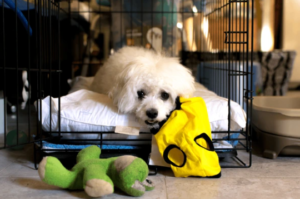
Introducing a crate as a cozy, den‑like retreat can give your dog a safe, familiar space when you leave. Over time, a crate can feel like a secure “home base.”

Consistent Routine & Owner Involvement

Training doesn’t end with the trainer. In fact, consistent practice — calm departures, structured timings, positive reinforcement — helps maintain progress. While it’s often a gradual process, consistency matters most.


Why Professional Dog Anxiety Behavior Training Matters

  • A trained expert can identify root causes of anxiety and create a personalized plan

  • For dogs with severe anxiety, lack of training, or a history of trauma, a structured program often yields better and more lasting results

  • When done right, dog anxiety behavior training doesn’t just reduce destructive behavior — it improves your dog’s confidence, independence, and overall quality of life

  • Furthermore, it helps strengthen your bond since you’re teaching your dog to trust that being alone is temporary and safe

Want help creating a calm, confident pup? Contact Us to learn how we can support your training journey.


Frequently Asked Questions

Q: Is separation anxiety common in dogs?
A: Yes — many dogs develop stress-related behaviors when left alone, especially after major life changes, rehoming, or lack of alone‑time training.

Q: How long does dog anxiety behavior training take?
A: It depends on the dog’s history, temperament, and consistency of training. Some dogs may show improvement within weeks; others may take months before they feel fully secure.

Q: Can I try to treat separation anxiety at home without a professional?
A: Yes, especially for mild anxiety — you can start with gradual alone-time exposure, crate training, and building positive associations. For moderate to severe anxiety, a professional plan is often more effective.

Q: Will crate training traumatize my dog?
A: No — when introduced gently and positively, a crate becomes a safe haven, not a punishment. It’s meant to reassure, not confine.

Q: What should I do if my dog’s anxiety is tied to a big life change (e.g., moving, adoption)?
A: A structured separation anxiety training program — involving gradual acclimation, positive reinforcement, and patience — is often best to help your dog adjust and feel secure again.

Dog trainer working with a Golden Retriever in a Boise park during obedience session

Whether your dog pulls on the leash, jumps on guests, barks nonstop, or struggles with obedience, professional training can make all the difference. At All Dogs Unleashed, we offer proven Boise dog training solutions that help transform even the most challenging behavior.

Why Training Matters for Dogs and Owners

Improve Safety with Obedience and Control

A trained dog responds reliably to commands like sit, stay, and come — even off‑leash. That kind of obedience keeps your dog safe when you’re out walking or at the park.

Get Faster Results with Boise Dog Trainers

Trying to learn from books or online guides can work — sometimes. But a professional trainer evaluates your dog’s temperament, needs, and challenges to pick the best approach.

Correct Common Behavior Problems with Boise Dog Training

If your dog jumps on guests, barks excessively, or shows aggression, professional training can correct those behaviors and build confidence.

Socialization & Bonding Through Structured Training

Training increases your dog’s confidence and helps them interact calmly with people, pets, and strangers. Learn more about puppy socialization.

Mental & Physical Enrichment for Boise Dogs

Training isn’t just about discipline; it provides daily stimulation when walks alone aren’t enough.

Types of Boise Dog Training Solutions — Pick What Fits Best

Training Format When It Works Best
In‑home classes Basic obedience, leash walking, potty training — for typical behavior problems
Board & Train Serious issues like aggression, fear, strong disobedience; ideal for “troubled” behavior
Lifetime group classes Reinforcement of good behavior, socialization, long‑term training support

Trusted Boise Dog Training Services That Work

When choosing a dog‑training service, check for:

  • Trainers who can handle many breeds and temperaments.

  • A flexible approach — not one‑size‑fits all.

  • Lifetime support or follow‑up classes for lasting success.

Have questions or want help choosing the right option? Contact Us to speak with our team.

Why Professional Dog Training in Boise Beats DIY

  • Books and videos offer general advice — but don’t adapt to your dog.

  • Professional trainers assess your dog, then tailor the methods based on behavior and personality.

  • Trainers monitor progress, adjust techniques, and help you learn how to reinforce good behavior at home.

Conclusion: Choose Boise Dog Training Solutions That Last

If you’re dealing with a dog that doesn’t listen, is fearful, jumps, barks, or worse — aggression — investing in professional training is worth it.

When you’re ready to take the next step, trust All Dogs Unleashed for the most reliable Boise dog training solutions available.

Ready to see real results? Board & Train and get your dog on the path to success.


FAQ

Q: What kinds of behavior problems can training help with?
A: Training can address leash pulling, jumping on people, excessive barking, poor recall, potty problems, fear or aggression toward people or other pets.

Q: How long until I see results?
A: With consistent training, many dogs show improvement within a few weeks. More serious issues (like aggression) may take longer.

Q: Is professional training better than trying it myself with books or videos?
A: Yes — because trainers assess your dog’s unique personality and adapt their methods, while DIY tips are generic and not always effective.

Q: Will my dog stay trained for life?
A: If you continue practicing commands and attend reinforcement or group‑class sessions, your dog’s good behavior can last for life.

Q: Can any dog benefit, or only puppies?
A: Training works for dogs of all ages and breeds. Even older dogs with bad habits can learn and improve.

Husky puppy sitting on grass during outdoor dog training class in Boise, looking up at trainer.

If you’re a dog owner in Boise, you understand how much it means to have a well‑behaved, happy pup. Enrolling your dog in Boise dog training classes can be a true game‑changer. Not only does it improve manners, but it also deepens your bond with your dog—here’s how.

Why Boise Dog Training Classes Speed Up Progress

To begin with, joining a class led by certified trainers helps your dog learn faster. These professionals work with all breeds and behavior types, and they tailor methods to fit your dog’s unique personality. For example, a bold Labrador may need different strategies than a shy rescue.

Additionally, you can explore structured training programs by the AKC to learn more about what a comprehensive curriculum can include.

Boosting safety through obedience

Dogs that reliably follow cues like “sit,” “stay,” or “come” stay safer in real-world situations. As a result, from busy Boise streets to unexpected encounters at the park, strong obedience protects your dog in everyday life.

Tackling problem behaviors with confidence

Jumping, barking, and reactivity often frustrate owners. However, the right classes give you tools to manage and change these behaviors. With expert support, many dogs show noticeable improvements and become calmer companions.

Socialization Benefits of Dog Training Classes in Boise

In addition to learning obedience, dogs grow more confident when they face controlled challenges. In group classes, they meet other dogs and people in a structured setting. Consequently, this exposure reduces anxiety and builds the social skills your dog needs.

Build a Better Bond Through Boise Dog Training

Above all, training builds communication and trust. When your dog understands what you expect, they feel secure. Therefore, you’ll enjoy outings, walks, and daily life more—with fewer corrections and more connection.

Have questions or want help choosing the right class? Contact Us today and speak with a local trainer.

Ready to see real results? Board & Train and get your dog on the path to success.


FAQ

Q: What age should my dog start Boise dog training classes?
A: Most trainers recommend starting as early as eight to ten weeks for puppies, but adult dogs benefit greatly too. It’s never too late.

Q: How long until I see results from Boise dog training classes?
A: While results vary, many owners notice improvements within a few weeks of consistent classes and practice.

Q: Do I need to practice at home after attending Boise dog training classes?
A: Yes. Regular short sessions at home reinforce what’s learned in class and help make good behavior a habit.

Q: Can standard training classes handle serious behavior issues like aggression?
A: For mild to moderate behavioral concerns, group classes are a strong option. But for severe aggression or anxiety, a specialized program or one‑on‑one training may be needed.