


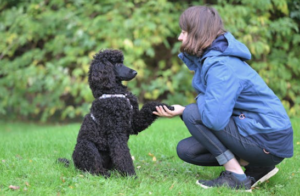
Boise dog training psychology is the key to teaching your dog more effectively. By understanding how dogs think, you’ll see faster results, better obedience, and a stronger bond. Whether you’re working on basic manners or serious behavior issues, psychology-backed methods make a big difference.
Understanding Dog Psychology in Boise Training
Dog training psychology focuses on how dogs learn, process information, and respond to cues. When you work with your dog’s mind instead of against it, training becomes smoother and more rewarding for both of you.
Dog Psychology Basics That Shape Training Success
Dogs primarily learn through:
-
Classical Conditioning – This is where dogs form associations. For example, they may hear a leash jingle and expect a walk.
-
Operant Conditioning – This method teaches dogs based on consequences. As a result, behaviors that are rewarded tend to repeat.
Understanding these models is essential for any dog owner serious about improving their training results.
Why Psychology Improves Training Results
When you use a mindset rooted in canine psychology, your training becomes clearer and more consistent. As a result, your dog learns faster and with less stress.
Benefits of Psychology‑Based Dog Training Methods
-
Stronger communication between you and your dog
-
Better results with positive reinforcement
-
Long-lasting behavior changes through habit-building
In addition, training becomes more enjoyable when you understand what motivates your dog.
How Boise Dogs Learn Using Dog Training Psychology
Reward‑Based Dog Training and Canine Motivation
Dogs in Boise thrive on positive reinforcement. For example, using treats, praise, or toys after a desired behavior reinforces obedience and builds confidence.
Consistency and Timing in Dog Learning Psychology
Your dog needs to hear the same command each time. However, if you vary your tone or words, your dog may get confused. Therefore, keep your cues short and simple.
Immediately rewarding or correcting your dog is essential. Dogs connect actions to outcomes within seconds. Delayed feedback reduces the effectiveness of your training.
The AKC also recommends consistency and timing in training.
Common Dog Behavior Mistakes That Ignore Training Psychology
Even with the best intentions, Boise dog owners sometimes make these avoidable mistakes:
-
Using punishment before teaching what’s right
-
Expecting dogs to behave “just because”
-
Changing rules or commands too often
-
Lacking structure and repetition
However, when you focus on how your dog actually learns, many of these issues disappear.
Applying Dog Training Psychology in Real‑Life Boise Homes
Step‑by‑Step Dog Behavior Training at Home
Begin with basic commands like sit and stay. Once your dog masters those, gradually add distractions or new locations. This step-by-step approach is more effective than rushing.
When Professional Boise Dog Training Psychology Helps Most
Dogs learn best in 5–10 minute sessions. Keep it fun, rewarding, and clear. In addition, end on a win to boost your dog’s confidence.
If you’re struggling or want faster results, our Boise-based Board & Train program uses proven psychology-based methods tailored to your dog’s behavior and personality.
Expert Boise Dog Training Psychology at All Dogs Unleashed
At All Dogs Unleashed Boise, we apply modern dog training psychology to real-life situations. Whether you’re dealing with stubborn behavior or want to start your puppy off right, we’re here to help.
Ready to see real results? Board & Train and get your dog on the path to success. Contact Us to schedule your consultation.
FAQs
Q: What is dog training psychology?
A: It’s a science-based approach to understanding how dogs learn, using rewards, consistency, and timing to teach effectively.
Q: Why does my dog respond better to some methods?
A: Dogs learn through positive associations. When training fits their learning style, they respond faster and more reliably.
Q: Can I use dog psychology at home?
A: Absolutely. With consistent cues, rewards, and timing, any Boise dog owner can apply training psychology for better behavior.
Q: Does punishment work in training?
A: Harsh punishment often creates fear and confusion. Positive methods build trust and long-term obedience.
Q: When should I get professional help?
A: If your dog isn’t progressing or shows behavioral issues, a local expert can help tailor training to your dog’s needs.