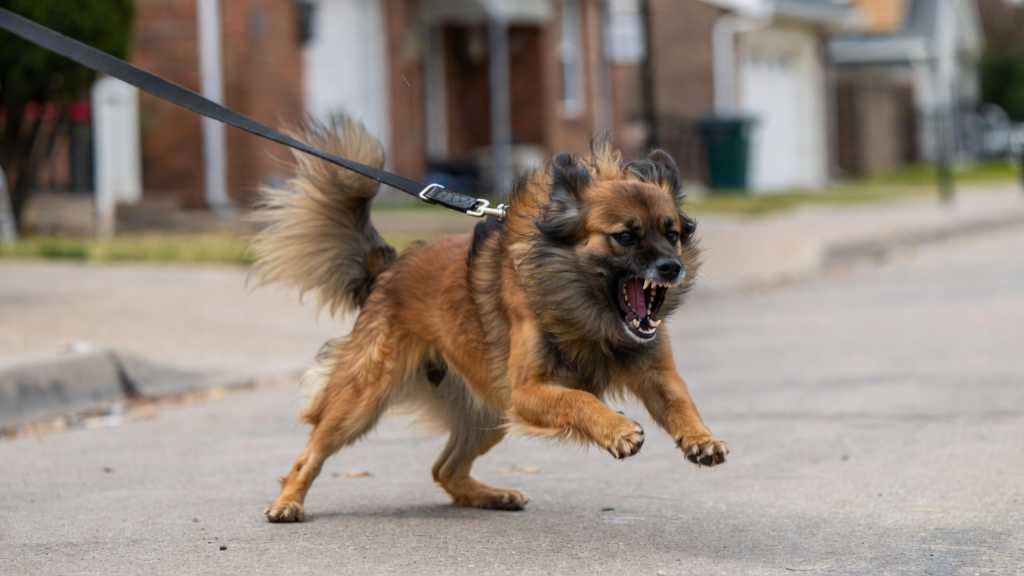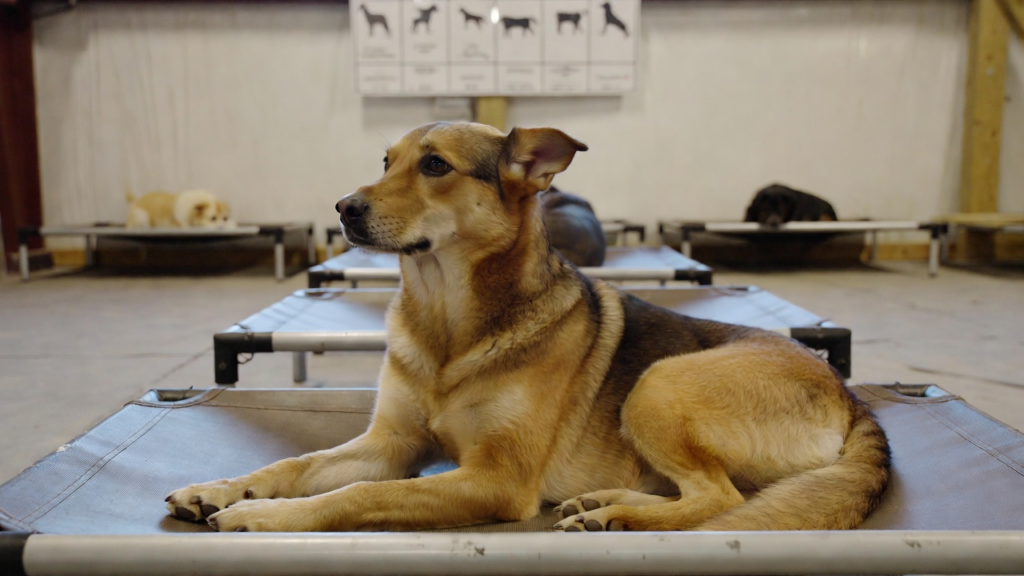

You know your reactive dog needs serious training to become calmer, less easily triggered, and more obedient on the leash. That said, you can’t exactly keep them housebound until training is complete. What can you do in the meantime to make walks less stressful for both of you and safer for everyone on the street? Take a look at some of the top tips for walking a reactive dog.
Start With the Right Dog Walking Equipment
When you’re walking a reactive dog, the key is to maintain control at all times without having to wrestle for it. Ditch the retractable leashes, which can allow your dog to wander way too far. Instead, get a size-appropriate flat lead with either a front-clip harness or a gentle leader. Both of these options will give you more control over your dog’s movements without having to constantly keep them right at your side.
Find Low-Trigger Walking Paths
It may not be as convenient as stepping out your front door and walking your dog whenever you want, but this one is a must: until you’ve made training progress, stick to walking paths and times of day that aren’t jam-packed with triggers. This typically means avoiding busy streets, but it may also include trails that other dog owners frequent. The fewer triggers you encounter, the less stressful walking is going to be for you and your dog.
Practice Swift but Calm De-escalation
There’s simply no way to avoid all triggers all the time. What should you do when you encounter another dog, a stroller, a bike, or whatever it is that makes your dog scared and aggressive? With as much distance between you and the trigger as possible, calmly step between your dog and the trigger to block their view and redirect them. You may be able to walk immediately in a different direction, or you may need to stand and wait for the trigger to pass. Make sure that your voice and body language remain calm to set an example for your dog that there’s no need to panic.
Set Clear Boundaries with Other Dog Walkers
Unfortunately, there are dog owners out there who forget that not all dogs are interested in (or capable of) making friends. If your dog is specifically reactive to other dogs, it’s time to get comfortable with establishing boundaries. If another dog owner asks if their dog can say hi, let them know calmly but firmly that your dog isn’t friendly. If they approach without asking, inform them that for their dog’s safety, they need to step back. It may feel awkward at first, but it’s much better to experience discomfort than to risk anyone’s safety.
Get Started with Professional Dog Trainers ASAP
The last thing you want is to reinforce your dog’s belief that there’s something to be scared of while walking on a leash or encountering other dogs. Professional dog training is the best and fastest path to better behavior and better communication between you and your pup. Learn more about ADU’s dog training programs today.