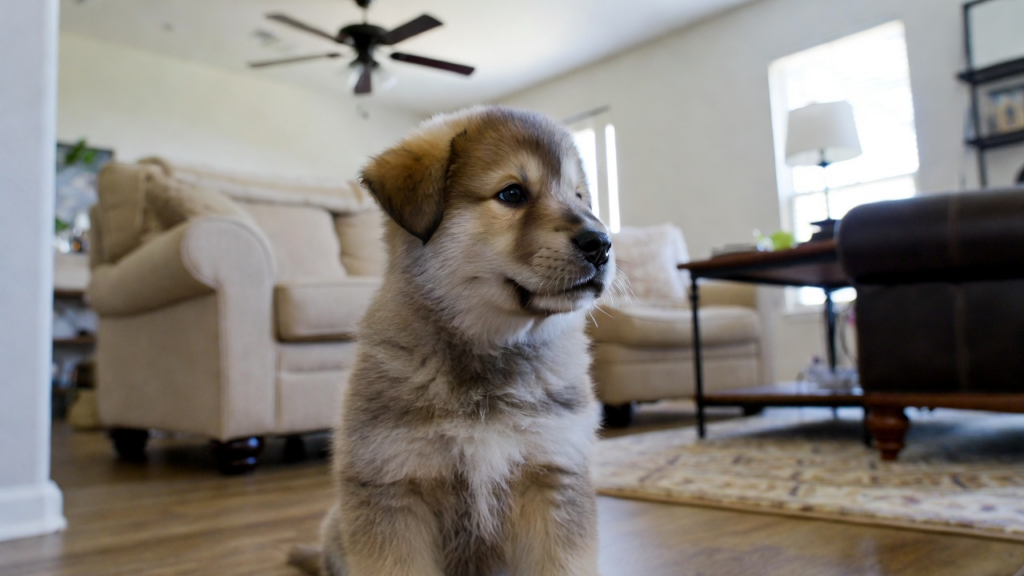

In those early months of destruction and high energy, you may not want your puppy to have full access to the house at all times. Would puppy crate training be right for your young dog? Read on to learn why crate training, when done properly, can have a positive impact on your puppy’s behavior and well-being.
Benefits of Crate Training a Puppy
Crate training allows puppies to tap into their natural instinct as den animals. Dens are quiet, comfortable spaces that provide a sense of safety while resting or dodging a stressor (like noisy houseguests or thunderstorms).
Crates can also serve a useful purpose for new puppy owners who are still working on housetraining. Dogs tend to avoid going to the bathroom where they sleep. Crate training can support their growing awareness that potty time happens outside, not inside.
Finally, crates can be used to limit your puppy’s access to the rest of the house for short periods of time. This can prevent her from doing damage or ingesting something hazardous when you aren’t able to supervise her.
Picking the Right Dog Crate
There are a few different kinds of dog crates to choose from, including plastic crates (sometimes referred to as flight kennels), collapsible soft-sided crates, and collapsible metal crates.
The most important consideration is size. Depending on the age of your puppy, you may need to get multiple crates as they grow.
Regardless of age and breed, dogs should be able to stand upright and lay down comfortably with their front legs outstretched while crated. However, you don’t want the crate to be so spacious that they can develop a sleeping corner and a bathroom corner.
Do’s of Crate Training Puppies
When you’re introducing your puppy to their new crate, use a positive tone and keep the door propped open. Put treats or puppy food in the crate and encourage them to go inside. With reluctant puppies, you may need to start by putting treats near the opening of the crate, then just inside the crate, then all the way in the back.
Because a crate should be a place for comfort, add a dog-safe bed or blanket to the crate and a few toys they can’t chew up and ingest.
Practice crating your puppy for longer periods over time. In the first few days, let them out after five to ten minutes. Progress to twenty minutes, then thirty. Pay attention to things like whining or barking so you can start to differentiate between your puppy vocalizing the need to go to the bathroom versus simply wanting to be let out.
Don’ts of Crate Training Puppies
Even when your puppy is comfortable in her crate, don’t leave her in there for more than three to four hours before she’s six months old. Don’t use crates for punishment or as a substitute for hands-on care while you’re at work or out of town.
Finally, don’t forget to prioritize a more robust training approach. All Dogs Unleashed offers private training and training classes for dogs of all ages.